In the world of wealth-building, discipline isn’t just about big investments—it starts with the basics. One of the simplest yet most powerful habits is bank account reconciliation. Whether you’re a high-net-worth individual or a young professional managing your first salary, learning how to reconcile your bank account regularly can be the key to financial control and conscious spending.
Let’s dive into how you can do it, why it matters, and how it fits into your journey to financial freedom.
What Does Reconciling a Bank Account Mean?
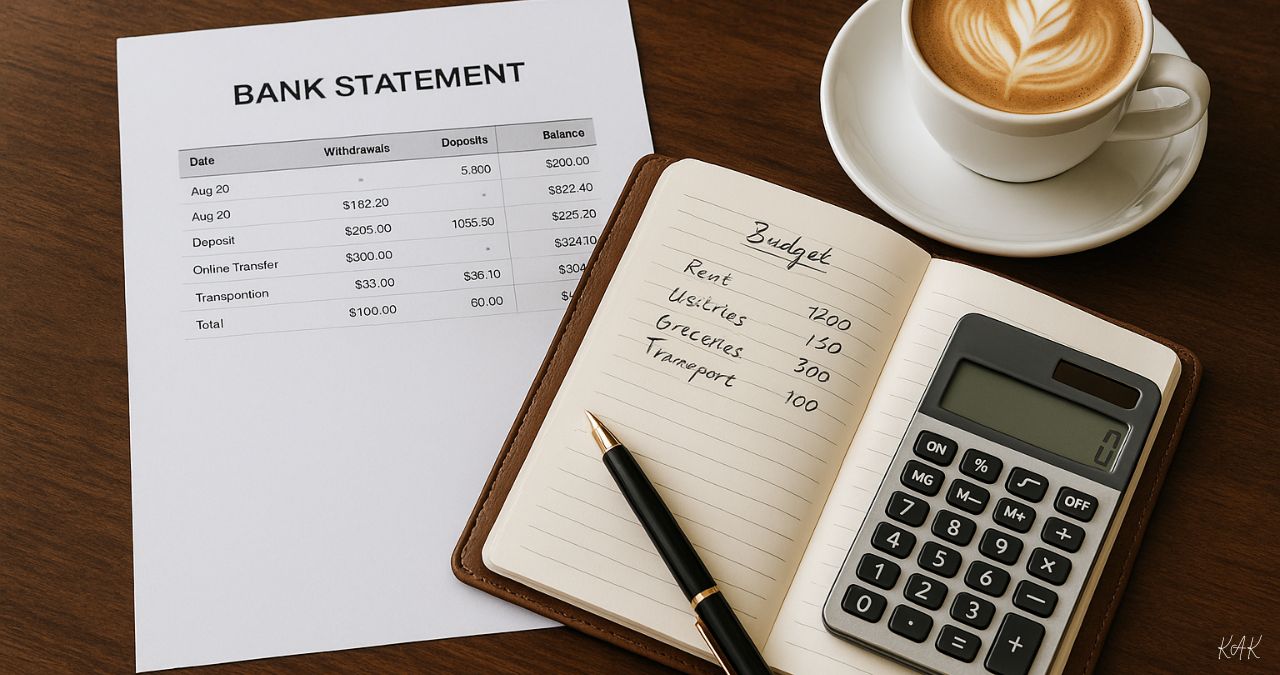
Bank reconciliation is the process of matching your personal financial records, like receipts, spreadsheets, or budgeting apps, with the transactions listed in your bank statement. It helps ensure that:
-
All income and expenses are accurately recorded
-
No unauthorized or duplicate charges have occurred
-
You’re not spending more money than you actually have

Why Reconciling Helps You Avoid Overspending
Overspending often doesn’t feel like a problem until your card declines or your savings vanish. Reconciling acts like a financial reality check.
Here’s how reconciliation prevents overspending:
-
Catches Hidden Fees or Charges: Banks make errors too—reconciliation ensures nothing sneaks through.
-
Clarifies True Balance vs. Available Balance: Some transactions may not have posted yet.
-
Reveals Spending Patterns: You might not notice that your daily coffee totals $200/month until you track it.
-
Helps Forecast Cash Flow: Know exactly what’s coming in and what’s going out.
Step-by-Step: How to Reconcile Your Bank Account
1. Gather Your Records
-
Bank statement (print or PDF)
-
Receipts, invoices, and checkbook register
-
Budgeting tool (Excel, Mint, YNAB, etc.)
2. Match Each Transaction
Go line by line on your bank statement:
-
✅ Check if it’s listed in your records
-
❌ Flag anything missing or incorrect
3. Account for Outstanding Items
-
Pending checks or transfers may not yet show on the statement.
-
Subtract them from your personal balance to avoid overestimating funds.
4. Adjust for Errors
Correct any miscategorized or duplicated entries.
5. Calculate Your Adjusted Balance
If your adjusted personal balance equals the bank’s final balance—congrats, you’re reconciled.
Pro Tips to Avoid Overspending in the Process
| Habit | How It Helps |
|---|---|
| Set alerts for low balance | Prevents accidental overdrafts |
| Use envelope or zero-based budgeting | Gives every dollar a job |
| Track spending weekly—not monthly | Catch issues early |
| Use auto-categorizing apps | Save time and get instant insights |
Recommended Tools for Easy Reconciliation
| Tool | Features |
|---|---|
| Mint | Auto-syncs with bank accounts, offers budget alerts |
| YNAB (You Need A Budget) | Based on zero-based budgeting principles |
| PocketGuard | Shows “what’s safe to spend” in real-time |
| Spreadsheets (Excel/Google Sheets) | Great for manual control and personalization |
-
Note: Maximize financial tools with this guide to debit vs. credit usage
Real Questions People Ask
Q: How often should I reconcile my bank account?
Ideally once a week or at least once a month. High-frequency helps detect errors early.
Q: What happens if I don’t reconcile?
You might overspend, miss fraudulent charges, or think you have more money than you do.
Q: Can reconciling help improve my credit score?
Indirectly, yes. By staying on top of payments and avoiding overdrafts, you maintain better financial health.
Q: Is bank reconciliation still necessary if I use budgeting apps?
Absolutely. Apps automate, but human oversight ensures everything adds up.
Reconciliation for High-Net-Worth Individuals
While this habit is crucial for everyday earners, it’s just as critical for the wealthy. At high asset levels:
-
Multiple accounts require coordinated reconciliations
-
Investment income and dividends must be tracked for tax accuracy
-
Private banking clients can request custom reconciliation reports
Wealth without awareness is like driving a Ferrari with no dashboard. Reconciliation is your speedometer and fuel gauge.
Final Thoughts
Reconciling your bank account may seem like a mundane task—but it’s a cornerstone of personal wealth management. From preventing overdrafts to spotting spending leaks, it keeps your financial engine running smoothly.
Build it into your monthly routine, and you won’t just avoid spending more than you have—you’ll actually start spending smarter than you ever thought possible.