The shift toward electric vehicles (EVs) is transforming more than just the automobile market. It is reshaping the very fabric of urban infrastructure, forcing planners and municipalities to rethink how cities are designed and how transportation networks function. As cities aim to become more sustainable, the intersection of urban planning and electric vehicle networks is becoming a critical focal point. Planners are now tasked with building cities that accommodate the unique needs of EVs without compromising existing mobility systems.
Historically, city infrastructure was built around internal combustion vehicles, with gas stations, roadways, and parking spaces optimized for a petroleum-based economy. However, EVs bring a fundamentally different set of requirements. Charging stations, grid resilience, and energy demand forecasting must be factored into zoning laws, building codes, and public transit systems. The location of EV chargers is particularly important as it affects not only driver convenience but also traffic flow and neighborhood accessibility.
Cities must also consider the socioeconomic implications of this transition. Without equitable deployment of charging infrastructure, disadvantaged communities risk being excluded from the EV revolution. Urban planners are therefore challenged to ensure that EV networks do not perpetuate existing disparities. In doing so, they must coordinate across public and private sectors to design inclusive, future-ready cities that support widespread electrification.
Integrating EV Charging into Cityscapes
Incorporating EV charging infrastructure into urban landscapes is not merely a technical endeavor. It requires a careful balance of spatial planning, user behavior analysis, and long-term development strategy. Successful integration hinges on placing chargers in locations that align with patterns of residential density, commercial activity, and commuting behavior. This makes the work of urban planners both more complex and more essential than ever.
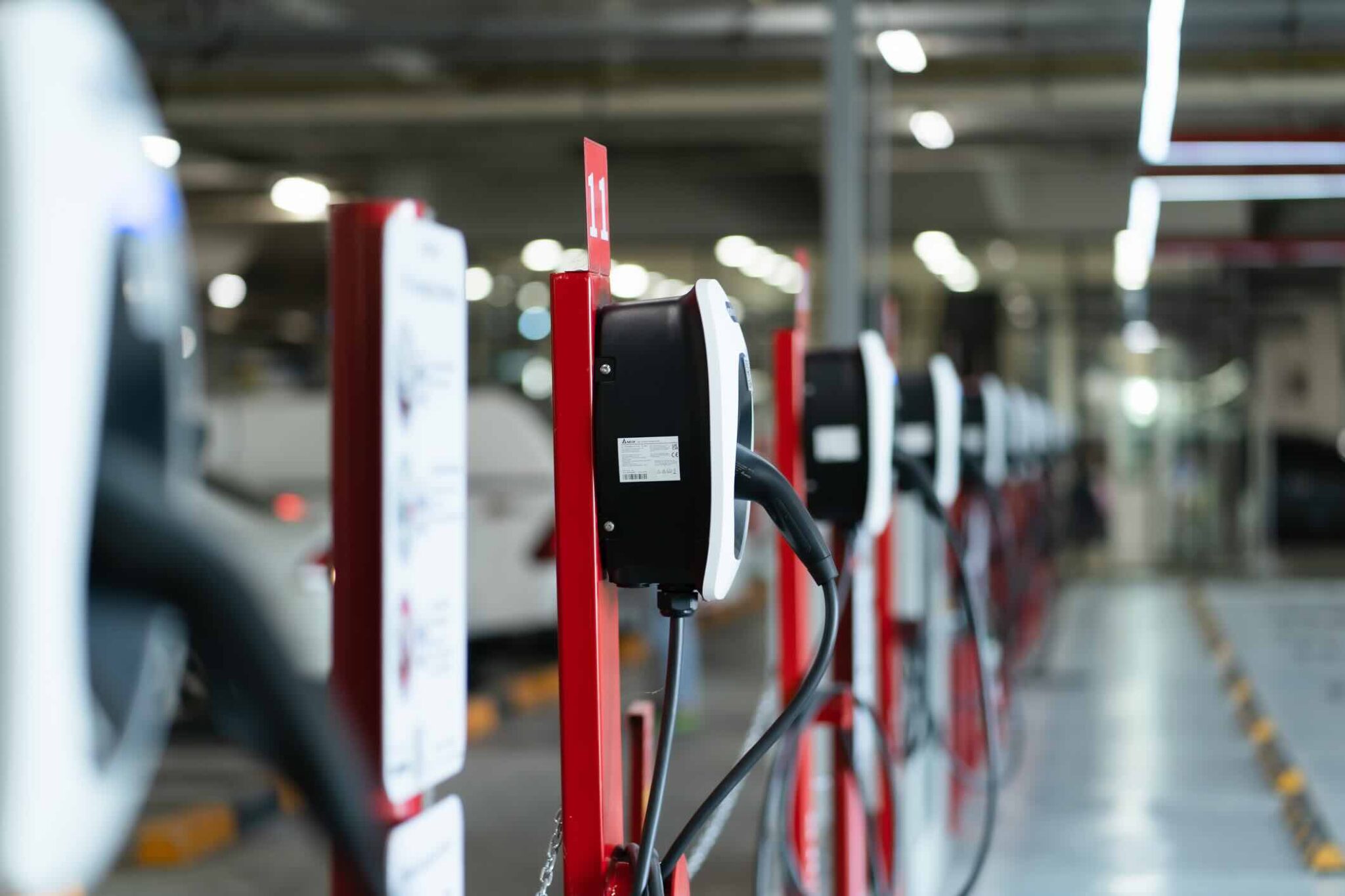
Public spaces such as parking garages, transit hubs, and even curbside locations are increasingly being repurposed for EV charging. However, each of these environments presents different challenges. For instance, integrating chargers into public streets may interfere with pedestrian zones or bike lanes if not executed properly. On the other hand, situating chargers in parking structures might limit access for those without private vehicles. These trade-offs must be carefully evaluated to ensure they meet city-wide mobility and accessibility goals.
These planning considerations also underscore the importance of coordination with experienced technology providers. Companies such as ChargeTronix operate within this space as cities scale charging networks that require more than hardware alone, including ongoing operations and maintenance. Providers offering modular, adaptable systems can help address varying site constraints and usage patterns. This type of support becomes increasingly relevant as municipalities and developers expand infrastructure while seeking to maintain reliability and service continuity.
Grid Demands and Urban Energy Strategies
As cities invest in EV charging stations, they must simultaneously reckon with the impact on electrical grids. EV chargers, especially fast-charging stations, can place considerable demand on local power systems. This creates a dual imperative for urban planners: facilitate EV adoption while ensuring grid stability. Without proper foresight, surges in electricity use could strain local utilities and lead to reliability issues that affect broader urban operations.
To address this, urban planning now frequently includes energy modeling and forecasting. Understanding when and where EVs will be charged is key to designing grid enhancements and energy storage solutions. Demand-side management tools and smart grid technologies are being increasingly employed to balance loads and optimize energy use. These systems can prioritize off-peak charging or dynamically adjust pricing to distribute demand more evenly.
Additionally, cities are exploring ways to integrate renewable energy into EV charging infrastructure. Solar canopies, battery storage systems, and bi-directional charging technologies are being piloted in various municipalities. These innovations help reduce carbon footprints while enhancing resilience. Urban planning strategies that account for such technologies are better positioned to future-proof their EV networks against both environmental and technical uncertainties.
Zoning, Permitting, and Policy Frameworks
The regulatory environment surrounding EV charging infrastructure is undergoing rapid evolution. Urban planners must work within increasingly complex zoning laws and permitting processes to accommodate EV networks. These frameworks must be designed to both encourage investment and ensure that installations align with broader city planning objectives. In many cities, outdated codes present significant barriers to the rollout of new technologies.
For instance, some municipalities lack clear definitions for what constitutes an EV charging station, complicating approvals and slowing down deployments. Others do not differentiate between residential, commercial, and public installations, which can lead to inefficiencies and misallocated resources. To address these issues, cities are starting to develop comprehensive EV readiness ordinances that standardize permitting and clarify technical requirements.
Beyond codes and permits, incentives also play a critical role. Tax rebates, streamlined approval processes, and public-private partnerships are being used to accelerate deployment. Policymakers and urban planners must work hand in hand to craft a regulatory environment that encourages innovation while maintaining oversight. Harmonizing these policies across regions can further enhance consistency and scalability in EV infrastructure deployment.
Parking and Land Use Considerations
The electrification of transportation is transforming the traditional concept of parking. Charging stations require longer dwell times than gas stations, which influences both the design and utility of parking spaces. Urban planners must now account for charging durations, turnover rates, and user behavior when determining how land is allocated for parking.
Multifamily housing developments present particular challenges. Many existing buildings lack the electrical capacity or structural layout to support the installation of chargers. Retrofitting these spaces can be expensive and complex, particularly when dealing with older properties. New developments, by contrast, are increasingly being designed with EV readiness in mind, integrating charging infrastructure into initial architectural plans to avoid future disruptions.
Furthermore, the shift toward EVs is driving the evolution of mobility hubs—mixed-use spaces where charging, transit, and micro-mobility options coexist. These hubs are seen as critical to reducing reliance on single-occupancy vehicles and encouraging more sustainable modes of transport. Urban planners are leveraging these concepts to reimagine how land is used, with a focus on flexibility, accessibility, and environmental sustainability.
Data-Driven Planning and Smart City Integration
The deployment of EV networks presents an opportunity for cities to leverage data in unprecedented ways. Sensors, user feedback, and real-time usage statistics provide insights that can inform planning decisions with far greater precision than traditional models. This kind of data-driven planning enables cities to optimize charger placement, improve operational efficiency, and adapt quickly to changing user needs.
Integrating EV infrastructure into broader smart city initiatives allows for synergistic gains. For example, data from EV chargers can be combined with traffic flow analytics to predict congestion patterns or inform road usage policies. Similarly, charger usage metrics can help utilities anticipate load demands and adjust supply strategies. These feedback loops are essential for creating responsive and adaptive urban environments.
However, the effectiveness of these systems depends on interoperability and open data standards. Cities must work with technology providers, utilities, and infrastructure developers to ensure that data can be easily shared and analyzed. Doing so enables a collaborative planning environment where different stakeholders can contribute to a unified vision for future mobility.
Environmental and Societal Impacts
The environmental case for EVs is well established, but their broader societal impacts also deserve attention. Urban planning must take a holistic view that includes not only emissions reductions but also quality of life, access to opportunity, and public health. EV networks have the potential to reduce noise pollution, improve air quality, and contribute to more livable cities.
However, realizing these benefits depends on equitable implementation. If charging infrastructure is concentrated only in affluent neighborhoods or central business districts, the advantages of EVs will not be distributed fairly. Urban planners must prioritize underserved areas and ensure that public funding supports inclusive access. This can involve placing chargers in community centers, libraries, and transit hubs that serve a diverse population.
Moreover, the long-term success of EV adoption will hinge on public education and trust. Planners and policymakers should engage communities in the planning process, soliciting feedback and addressing concerns about cost, convenience, and reliability. This collaborative approach helps build social buy-in and ensures that EV networks are integrated into urban life in a way that reflects the values and needs of all residents.