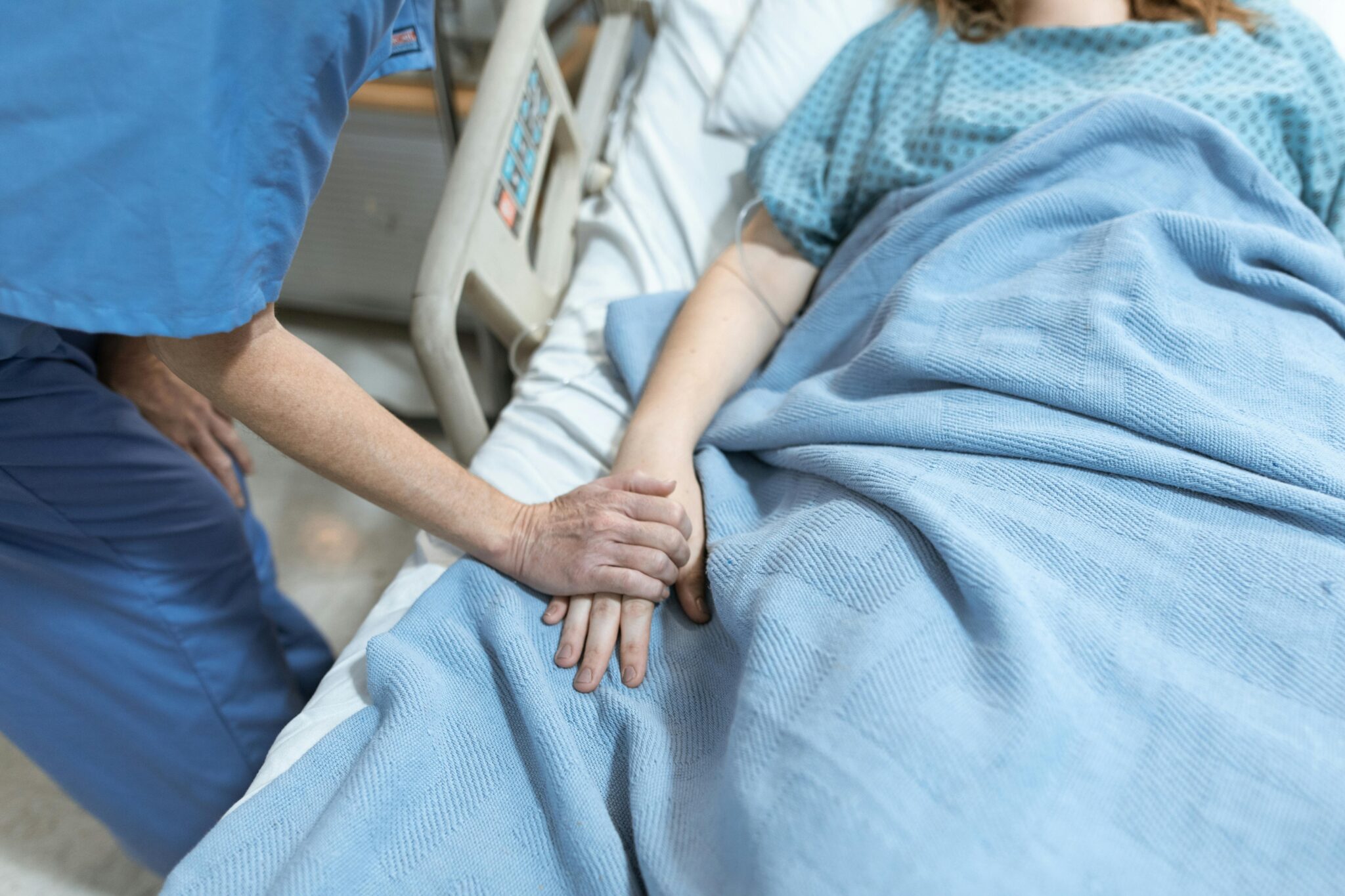
What’s the next step when you’ve mastered the floor, know your patients before they speak, and can recite medication interactions in your sleep?
For many experienced nurses, the answer isn’t to work harder—it’s to grow smarter. The job of a nurse is evolving faster than ever. While bedside experience still matters deeply, it’s no longer the only thing that counts. Today’s healthcare system needs nurses who can treat, lead, and innovate at the same time.
That shift is coming from all sides. Telehealth has changed how care is delivered. More patients live with multiple chronic conditions. Families expect providers who not only understand health but communicate clearly. Add to that the nursing shortages across the country, and the demand for advanced knowledge becomes hard to ignore.
This is not about leaving the bedside behind. It’s about building on everything it taught you.
In this blog, we will share how today’s nurses are expanding their value through education, digital training, and leadership development to meet the changing demands of modern care.
The New Definition of Nurse Expertise
Ten years ago, experience meant time spent in a hospital. The longer you worked, the more weight your opinion carried. But that equation is shifting. Clinical experience is still essential, but it’s not the whole story anymore.
Now, healthcare systems are looking for nurses who bring clinical judgment and strategic thinking. It’s about being able to assess a patient and also understand how systems, policies, and data impact outcomes. This is especially true in primary care, where the role of nurse practitioners is expanding rapidly.
Many nurses are turning to RN to FNP programs online to help fill that gap. These programs offer a flexible and accessible way for working nurses to gain the advanced skills they need to step into provider roles. Programs like the one offered through William Paterson University prepare nurses to assess, diagnose, and manage care across the lifespan.
Online formats make it possible to keep working while earning the degree. That’s a major draw for nurses who can’t afford to step away from their jobs—or their families—for traditional schooling. It’s not just about convenience. It reflects a larger shift toward integrating learning into real life, not pausing one to pursue the other.
Moving From Doer to Decision-Maker
What happens when a nurse becomes the person writing the care plan instead of just carrying it out? That’s the leap advanced education supports. It opens the door to higher-level thinking, greater autonomy, and leadership in settings that range from clinics to community health.
The role of family nurse practitioners is one example. They’re diagnosing conditions, managing long-term care, and guiding patients through complex systems. They also work in underserved areas where primary care doctors are scarce.
That’s not possible with experience alone. It requires specific clinical knowledge and the ability to connect dots across disciplines. Education fills in what experience can’t teach on its own.
And while clinical skills will always be core, today’s nurses are expected to bring more to the table:
- An understanding of healthcare policy
- The ability to analyze patient data
- Strong communication skills for diverse populations
- Leadership strategies for team-based care
This new version of nursing looks outward as much as inward. It’s not just about managing tasks. It’s about improving systems.
The Broader Shift in Healthcare Culture
There’s a cultural shift happening in healthcare. Patients want providers who listen, explain, and partner with them in their care. That means soft skills—empathy, patience, communication—matter just as much as medical knowledge.
Nurses already excel at this. What advanced education does is give them the authority and tools to pair that empathy with clinical decision-making.
This is especially relevant in community clinics, student health centers, and family practice settings. In these places, nurse practitioners often serve as the front line. They’re trusted not just because of their title, but because they know how to listen and act with confidence.
That kind of trust is earned through a mix of experience and preparation. And it’s something the next generation of nurse leaders is already building.
Investing in Growth Without Leaving the Profession
Too many skilled nurses leave the field because they feel stuck. Others stay but don’t feel seen. Advanced training offers a path forward that doesn’t require giving up the core of what makes nursing meaningful.
Programs that offer online learning, clinical experience, and mentorship help bridge that gap. They show that investing in yourself doesn’t mean starting over. It means leveling up with intention.
Whether your goal is to work independently, lead a team, or simply have more say in patient care, building value beyond the bedside is the smartest step you can take. The system is changing. And the nurses who grow with it will shape what comes next.
Because at the end of the day, experience makes you a great nurse—but education gives you the power to do even more.