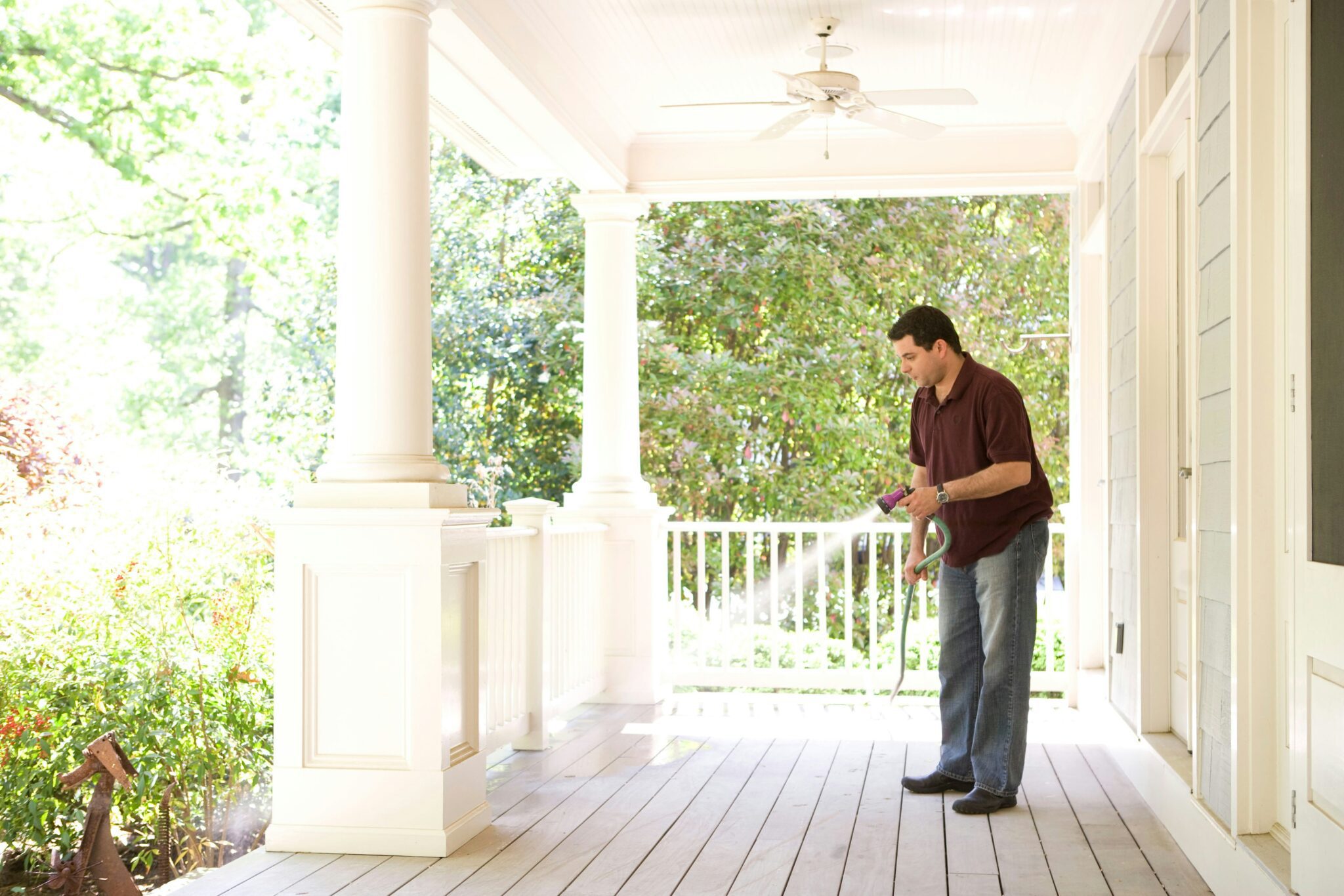
Your home’s exterior serves as the first line of defense against the elements, protecting everything inside from weather, environmental wear, and structural deterioration. Regular inspections can help you catch small problems before they escalate into costly repairs.
Homeowners in Lafayette can benefit greatly from understanding what to look for during routine checks, as early detection saves thousands of dollars and preserves property value. This guide will walk you through the key indicators of exterior damage that every homeowner should recognize.
Recognizing Pest Activity Around Your Home’s Exterior
Pests can cause significant damage to your home’s exterior while also finding ways inside through small openings and cracks. Termites are among the most destructive, often working silently within wooden structures before visible damage appears. Look for mud tubes running along foundation walls, discarded wings near windowsills, or hollow-sounding wood when tapped. Carpenter ants create similar damage, leaving behind piles of sawdust near wooden beams or siding.
Rodents and other small animals can chew through weatherstripping, screens, and even softer siding materials to gain entry. Check for gnaw marks around utility penetrations, droppings along foundation walls, or nesting material in sheltered areas. Wasps and hornets often build nests under eaves, inside vents, or behind shutters during warmer months. If you’re also looking for reliable pest control Lafayette has many professionals ready to assist with both prevention and treatment options. Addressing these problems early prevents structural damage and keeps your home’s exterior intact.
Foundation Cracks and Settlement Issues
The foundation is literally what your entire home rests upon, making it critical to monitor for any signs of distress. Small hairline cracks are often normal as concrete settles and cures, but larger cracks that measure wider than a quarter inch deserve immediate attention. Look for horizontal cracks, which typically indicate more serious structural issues than vertical ones. Stair-step cracking in brick or block foundations often signals uneven settlement.
Water pooling near your foundation is another red flag. Walk around your home after a rainstorm and note any areas where water collects against the foundation walls. This moisture can seep into basements, cause foundation movement, and weaken the structural integrity of your home over time. Pay attention to gaps between the foundation and the soil, as these spaces can widen and allow water infiltration that damages interior walls and flooring.
Roof Deterioration and Shingle Problems
Your roof takes a beating from the sun, wind, rain, and temperature fluctuations throughout the year. Missing shingles are the most obvious sign of trouble, but many homeowners overlook subtler indicators. Check for curling or cupping shingles, where the edges lift away from the roof surface. Granule loss is another concern; if you notice excessive granules in your gutters or bare spots on shingles, the protective layer is wearing away.
Inspect the roof line from ground level using binoculars if climbing isn’t safe. Look for sagging sections, which could indicate water damage to the underlying decking. Flashing around chimneys, vents, and skylights should lie flat without gaps or rust. Damaged flashing creates entry points for water, leading to leaks that may not become apparent until significant damage has occurred inside your attic or walls.
Siding Damage and Wood Rot
Siding protects your home’s structural elements from moisture and temperature extremes. Vinyl siding can crack, warp, or pull away from the house, creating gaps that expose the sheathing underneath. Run your hand along siding panels to feel for warping or looseness that isn’t visible to the eye. Wood siding requires extra vigilance, as it’s susceptible to rot, especially in areas that stay damp.
Test wood siding with a flathead screwdriver by gently pressing the tip into the surface. Healthy wood will resist penetration, while rotted wood will feel soft and allow the screwdriver to sink in easily. Check areas near the ground, around windows and doors, and anywhere water might splash or collect.
Window and Door Frame Deterioration
Windows and doors are particularly vulnerable to weather damage because they create breaks in your home’s exterior shell. Inspect the caulking around window and door frames at least twice a year. Cracked, missing, or separating caulk allows water and air infiltration. Press on the wood trim around these openings; spongy or soft areas indicate water damage that needs addressing.
Look for gaps between the frame and the siding, which can develop as houses settle or materials expand and contract. Check that windows and doors open and close smoothly. Sticking or difficulty operating could signal frame swelling from moisture exposure. Examine the sills beneath windows for water stains, paint bubbling, or wood deterioration.
Gutter and Downspout Issues
Gutters play a vital role in directing water away from your foundation and exterior walls. Clogged gutters overflow during rain, sending water cascading down your siding and pooling around the foundation. Look for sagging sections, which indicate either clogs or separation from the fascia board. Rust holes or cracks in metal gutters will leak water onto the areas you’re trying to protect.
Downspouts should direct water at least five feet away from your foundation. Check that extensions haven’t become disconnected or buried in landscaping. During rainfall, observe how water flows through your gutter system. Overflowing gutters or water sheeting off the roof between gutter sections indicate problems that need correction.
Protecting Your Investment
Catching exterior damage early prevents minor issues from becoming major expenses. Make it a habit to walk around your home every season, paying special attention after severe weather. Take photos of any concerns so you can monitor whether they’re worsening over time. Many exterior problems develop slowly, making them easy to overlook if you see your home every day.
Don’t put off repairs when you spot damage. Water infiltration accelerates deterioration, turning a simple fix into a complicated project. Keep trees and shrubs trimmed back from your home’s exterior to improve air circulation and reduce moisture retention. Document your inspections and any repairs you complete; this record proves valuable for insurance claims and future home sales.