
Numerous companies currently depend on obsolete systems to manage their schedules. Research indicates that ineffective scheduling methods may result in lost opportunities, dissatisfied customers, and resource wastage.
As your business grows, depending on outdated appointment scheduling platforms or manual techniques can result in scheduling errors, delays, and dissatisfied customers.
So, how can you shift to a contemporary scheduling solution without interrupting your operations?
The answer is found in a carefully organized, methodical strategy for implementing new appointment scheduling platforms. This guide will demonstrate how to transition smoothly, guaranteeing effectiveness, precision, and an enhanced customer experience.
Why Switch to a New Appointment Scheduling Platform?
As companies progress, obsolete appointment scheduling platforms can impede efficiency, restrict features, and not satisfy increasing customer needs. An upgrade is essential for improved performance and scalability.
Here’s why switching can be beneficial:
- Outdated Tools: Older platforms may need more features like real-time availability or automated reminders.
- Inefficiencies: Manual procedures may result in scheduling issues, overlooked appointments, and lost time.
- Scalability Challenges: Expanding companies require systems that adjust and grow to accommodate rising demand.
- Improved Customer Experience: Contemporary systems provide more seamless processes, internet reservations, and automated notifications for clients.
An effective scheduling system guarantees that your business runs smoothly while maintaining client satisfaction and engagement.
 6 Steps to Seamlessly Transition to a New Platform
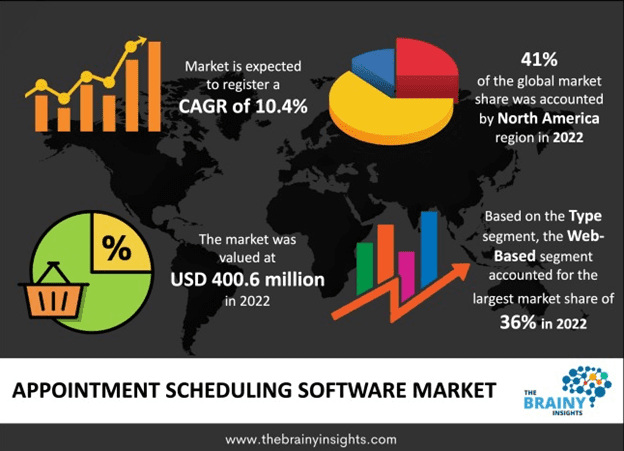 6 Steps to Seamlessly Transition to a New Platform
Transitioning into a new appointment scheduling platform might seem overwhelming, but breaking it down into step-by-step manageable procedures could ensure that the switchover is smooth and efficient.
Here’s a practical guide to help you navigate the process successfully.
Assess Your Business Needs
Start by identifying your pain points and goals. Do you need better automation, multi-channel booking, or team management features? List essential requirements to guide your choice of scheduling tools.
Choose the Right Platform
Research platforms that align with your needs. Consider solutions like Q-nomy, which offers advanced appointment scheduling software for businesses, including real-time updates, customer management, and seamless integration with existing systems.
Plan the Transition Timeline
Create a clear timeline for the transition. Identify key milestones such as data migration, team training, and system testing. A well-defined plan ensures minimal disruption to daily operations.
Backup and Migrate Data Safely
Before making the switch, back up all existing data to prevent loss. Work with your platform provider to securely migrate appointments, customer records, and schedules to the new system.
Train Your Team
Introduce your team to the new platform through workshops or tutorials. Ensure they understand key features like booking tools, automated reminders, and reporting dashboards to maximize efficiency.
Conduct Testing and Go Live
Before the official launch, test the platform to identify any issues. Conduct trial runs for booking, cancellations, and reminders. Once everything runs smoothly, transition to the new platform with confidence.
Following these steps can reduce disruptions and ensure a seamless transition to your new system. The key is preparation, clear communication, and choosing a reliable solution that supports your business growth.
Pro Tips for a Smooth Transition
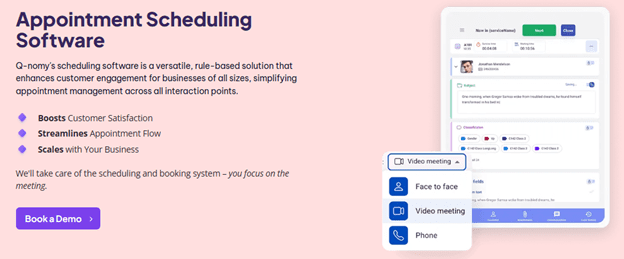 Pro Tips for a Smooth Transition
Embracing a new appointment scheduling system can be difficult, but applying the appropriate strategies can ensure a smooth and hassle-free transition.
Emphasizing effective communication, thorough testing, and continuous support can minimize disruptions, tackle challenges ahead of time, and maintain engagement with your team and clients.
- Communicate with Clients: Notify your customers about the change and explain how it benefits them (e.g., smoother booking or timely updates).
- Leverage Support Services: Choose a platform like Q-nomy that offers exceptional customer support during the transition, minimizing disruptions and ensuring a smooth implementation.
- Start Small: Begin with a small team or location, test the system carefully, and identify any issues before full-scale deployment.
- Monitor Feedback: After going live, gather feedback from staff and clients, analyze results, and adjust for optimal system performance and user satisfaction.
With these tips, you’ll ensure a successful transition and create a better experience for your team and customers.
Your Path to Smarter Scheduling Starts Here
Switching to a new appointment scheduling tool platform doesn’t need to be complicated. By evaluating your requirements, planning thoughtfully, and choosing the appropriate scheduling tool, you can optimize operations, improve customer satisfaction, and prepare your business for success.
If you seek a dependable business scheduling solution, Q-nomy’s appointment scheduling software provides advanced features and committed support to guarantee a seamless transition. Switch today and gain higher efficiency and customer loyalty.
Do you have any questions or comments about transitioning to a new appointment scheduling platform? Leave a comment or message us directly today!