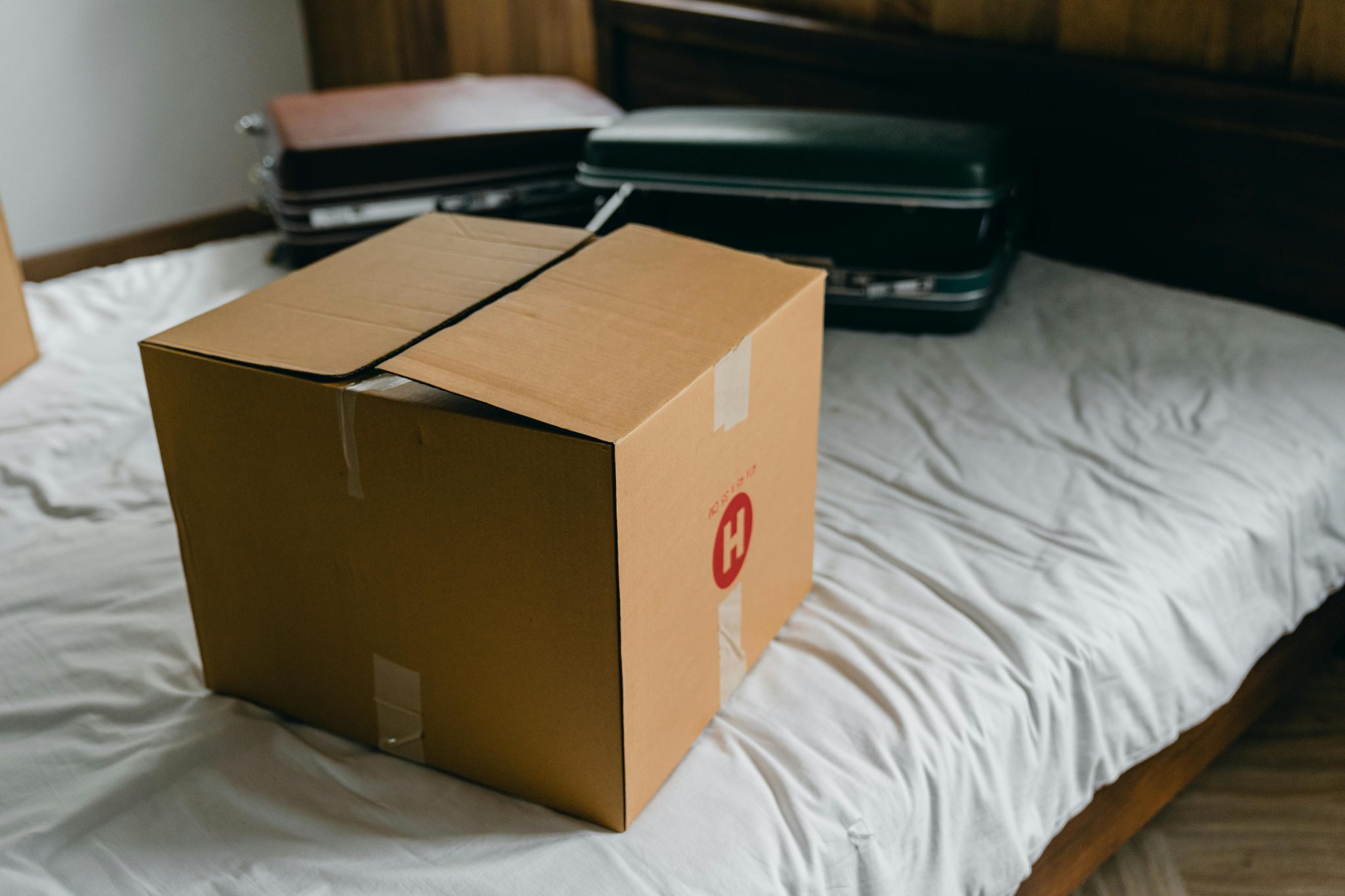
Your goal is simple: keep your standards, schedule, and comforts intact from the last night in your current home to the first morning in the new one. With a clear strategy, curated partners, and proactive safeguards, you can protect your time and your lifestyle while everything shifts around you.
Set A Strategy That Matches Your Standards
Start with clarity on what “no disruption” means to you. List the important things you cannot lose access to, like secure internet, a gym setup, climate control for collections, private transport, and staffed support. Then map your move so those elements are never offline at the same time.
Market context helps you choose the right level of service. A report cited by a global news outlet noted that luxury demand is expected to keep growing in 2025, which means top-tier providers are investing in capacity and premium options. That growth often translates into more white-glove solutions that can be tailored to your specific needs.
Document the nonnegotiables. Decide in writing what gets priority handling, who approves changes, and how decisions are escalated. This makes it easier for your team and service partners to act fast without guessing.
Build A Bespoke Timeline
Create a master timeline that starts earlier than you think. Break it into phases: planning, packing, travel, installation, and post-move tuning. Each phase should include buffers so that one delay does not ripple into the next.
Back-plan from your desired “normal day” at the new residence. If you want a fully operational home office on day one, schedule internet provisioning, network security, and desk installation well before your arrival. If your fitness and wellness routines are key, line up equipment delivery and service checks ahead of time.
Use check-ins to keep momentum. Weekly reviews with your household manager and move coordinator surface risks early and lock decisions before crews arrive. Small, steady updates avoid last-minute surprises.
Choose Partners Who Meet Your Expectations
Vetting is everything. Ask for detailed scopes of work, named teams, and proof of specialized handling for art, wine, instruments, or bespoke furniture. Request references that match your project type, not generic testimonials.
You will often need a core mover, specialty shippers, and local installers who know the property and building rules. The most reliable path is to work with a trusted moving company that can coordinate white-glove services across locations, and then add specialists where needed. Aim for one accountable lead who owns the end-to-end result.
Expect transparent communications. Your partners should share a daily schedule, on-site point of contact, and contingency plans. If the plan changes, you should know what moved, why it moved, and how the team will keep your standards intact.
Manage Finances, Taxes, And Insurance
Moves touch multiple financial systems. Update billing addresses, card profiles, and autopays ahead of the switch. Coordinate with your wealth advisor and CPA on state or international tax triggers and filing timelines.
Coverage should move with you. Confirm homeowners, valuables, transit, and umbrella policies stay continuous across your addresses. If you are crossing borders, check customs, duties, and any limits on specific materials or art categories.
Track costs against your plan. A clean ledger helps you evaluate each partner and spot overruns early. Share summaries with your team so everyone understands what is fixed, what is flexible, and what needs approval.
Key documents to review before you move:
- Insurance binders, riders, and appraisals
- Contracts, scopes of work, and vendor NDAs
- Customs forms, permits, and building access approvals
Protect Collections And Valuables
High-value items deserve a custom plan. Catalog each piece with photos, condition notes, and exact packing requirements. Climate, vibration, and light exposure should be controlled from pickup through placement.
Build layers of protection. Use museum-grade materials, custom crates, and real-time location tracking. For fragile or rare pieces, consider ride-along couriers and dedicated vehicles to avoid load consolidations.
Insurance should be specific, not generic. Work with your broker to align appraisals, packing methods, transit routes, and installation procedures with coverage terms. Verify claims processes and response times so you are never guessing in an emergency.
Secure Digital And Physical Privacy
Relocations can expose personal data if you are not careful. Limit who sees floor plans, access codes, and travel dates. Use unique, temporary credentials for vendors and revoke them as soon as work is complete.
Harden your tech footprint. Reset routers, rotate passwords, and enable multifactor authentication on all critical accounts before and after the move. Wipe or destroy any devices that are being retired, and log serial numbers for everything that travels.
On-site, keep sightlines and conversations discreet. Ask crews to avoid brand names or personal details in public spaces and elevators. Good etiquette and security go hand in hand when privacy is a priority.
Orchestrate Travel And Temporary Living
Your travel plan should mirror your daily rhythm. If you usually train in the morning, book a suite with a private gym or arrange an in-room setup. If you take work calls in the afternoon, secure a quiet lounge or a private office.
Think in segments. One itinerary handles departure, another handles a mid-journey stay if needed, and a third timed arrival aligns with access windows and building rules. That way, people and shipments hit the right checkpoints at the right times.
Add a comfort kit for the journey. Keep important things like medications, chargers, a compact wardrobe, and key documents with you. When you land, you can function immediately while the rest of the household catches up.
Prepare The New Residence For Day One
Treat the new home as a project site. Walk through with installers to map outlets, network drops, and mounts. Stage rooms, so crucial zones like the office, primary bedroom, and kitchen come online first.
Test everything before you arrive. Run internet speed tests, configure Wi-Fi networks, and validate smart-home controls. Schedule a deep clean, filter replacements, and HVAC checks after construction or painting.
Set the mood. Stock the pantry, set up linens, and pre-position toiletries and grooming products. Small comforts make the first night feel like home instead of a layover.
Day-one readiness checklist:
- Secure internet, Wi-Fi, and device logins
- Working kitchen basics, coffee, and hydration
- Made beds, towels, and the climate set to your preference

Relocating your life is complex, but disruption is optional. A clear strategy, curated partners, and a disciplined timeline preserve the comforts and privacy you value. When each phase is mapped and buffered, your standards drive the move instead of the other way around.
With the right plan, you step into the new home and keep living at your level from day one. That confidence is the true luxury, and it is completely achievable.