When winter arrives, making sure your home heating system is in peak condition is essential for comfort and safety. By preparing ahead of time, you can avoid unnecessary breakdowns, keep your energy bills lower, and extend the life of your equipment. If you need local assistance, consider heating repair basking Ridge, NJ for prompt, professional solutions.
Routine care and timely inspections help your system run efficiently during the coldest months. A proactive approach to maintenance ensures you and your family remain warm and healthy as temperatures drop, while also helping prevent costly emergency repairs.
Heating systems do their hardest work in winter, so any small issue can quickly snowball if ignored. By knowing what steps to take, homeowners can maximize performance and enjoy peace of mind during the harshest weather.
Winter readiness also means keeping an eye on indoor air quality and system safety. The right preparation can make a notable difference in both comfort and cost throughout the season.
Schedule a Professional Inspection
The first step in preparing your home heating system is to have it professionally inspected by a certified HVAC technician. A thorough inspection can catch small problems before they become large, expensive repairs. Technicians examine and test crucial components, clean out debris, and look for signs of wear and tear. According to the U.S. Department of Energy, regular professional maintenance is one of the best ways to improve efficiency and reduce the risk of breakdowns.
Replace or Clean Air Filters
Keeping air filters clean is vital for both your heating system’s efficiency and indoor air quality. Dirty or clogged filters limit airflow, forcing your system to work harder and increasing wear and reducing energy efficiency. During high-use months, check filters monthly and replace or clean them every 1 to 3 months, as recommended by experts. Cleaner filters also mean less dust and fewer allergens circulating through your home.
Inspect and Seal Air Ducts
Leaky air ducts allow heated air to escape, resulting in uneven temperatures and wasted energy. Inspect your ductwork for any visible gaps, loose connections, or damage, especially in attics and basements. Use mastic sealant or metal-backed tape to seal any leaks. Properly sealed ducts help maintain steady warmth and can significantly reduce heating costs.
Test Thermostat and Settings
Make sure your thermostat is working properly and set to a comfortable, energy-efficient temperature. If you do not already have a programmable thermostat, consider upgrading. Programmable and smart thermostats automatically manage heating cycles, reducing energy use when you’re away or asleep.
Clean Around the Furnace
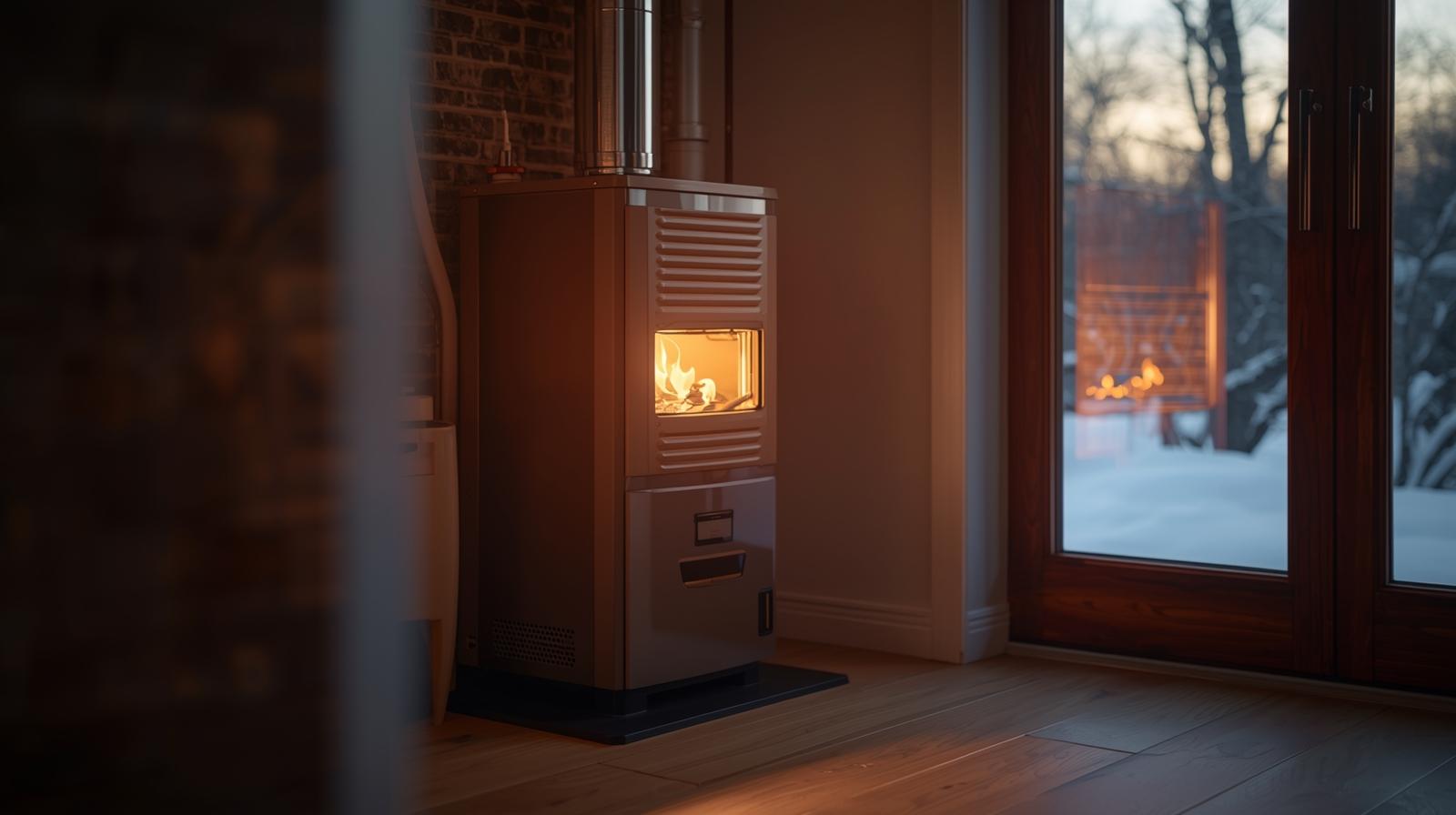
Keep the area around your furnace or boiler clear of dust, boxes, clothing, and especially flammable materials. This improves airflow to the unit and reduces fire hazards. Adequate clearance also makes professional inspections safer and allows for easier access during maintenance or repairs.
Check and Clean the Vents
Inspect every vent in your home to ensure it is fully open and unblocked by furniture or curtains. Vacuum and wipe down vent grilles regularly to remove dust and pet hair that may restrict airflow. If you notice rooms that are colder than others, blocked or closed vents are often the cause and should be addressed immediately for optimal comfort and efficiency.
Bleed Radiators
If your heating system includes hot-water radiators, bleeding them at the start of the season is essential. Trapped air inside radiators can prevent hot water from circulating, leaving some areas cold. Bleeding releases this air, allowing radiators to heat up more quickly and evenly. This is a straightforward process, but it should be done before winter truly sets in.
Insulate and Seal
Heat loss is a major concern during winter, so focus on sealing gaps around windows, doors, and even attic hatches with weatherstripping or caulk. Upgrading insulation in attics, basements, and crawl spaces further reduces heat loss and keeps your home warmer for less cost. According to the U.S. Department of Energy, proper insulation can save up to 15 percent on heating bills.
Test the System
Do a full test run of your heating system before the coldest weather arrives. Listen for strange noises, be alert for any odd smells, and look for fluctuations in temperature or heating cycles. Addressing issues now helps prevent emergency repair calls during the winter rush.
Schedule Seasonal Maintenance
Even with routine DIY care, scheduling a professional seasonal tune-up is a smart move. Qualified technicians clean essential components, check for leaks, measure airflow, and confirm the system operates safely and at top efficiency. A small upfront investment in professional maintenance can help your system last longer and keep your utility bills in check.
Final Thoughts
Following these steps is the best way to make sure your heating system runs reliably and efficiently all winter long. Early action and regular care protect your comfort and reduce the risk of costly surprises when you need your heat the most. Scheduling professional inspections can catch minor issues before they become major problems, extending the lifespan of your system. Upgrading outdated components, such as thermostats or air filters, further enhances efficiency and lowers energy costs. Additionally, staying informed about available local incentives or rebates can make improvements more affordable while boosting overall system performance.