High inflation can significantly impact your purchasing power, savings, and overall financial stability. When prices rise faster than your income, it’s essential to adjust spending habits, prioritize saving, and make strategic financial decisions. Managing personal finances during inflation requires planning, discipline, and an understanding of how to protect your wealth.
This guide explores practical strategies to manage your finances during high inflation and maintain financial stability. It also complements broader financial strategies, such as Financial Planning Tips for Newly Married Couples, which emphasize budgeting, long-term planning, and smart financial decision-making.
What Is Inflation and Why It Matters
Inflation is the rate at which the general price level of goods and services increases over time. When inflation is high:
-
Purchasing power decreases: Money buys less than before.
-
Cost of living rises: Everyday expenses like groceries, utilities, and housing increase.
-
Savings lose value: Money sitting in low-interest accounts may not keep up with rising prices.
Understanding inflation helps you make better financial choices and protects your financial well-being.
Step 1: Reassess Your Budget
During high inflation, reviewing and adjusting your budget is critical:
-
Track expenses closely: Identify areas where prices have increased.
-
Prioritize essentials: Focus on housing, food, transportation, and healthcare.
-
Cut discretionary spending: Reduce non-essential items like dining out, subscriptions, and luxury purchases.
Reassessing your budget ensures your money is spent efficiently and helps maintain control over finances.
Step 2: Build an Emergency Fund
Inflation increases the importance of having a financial safety net:
-
Target 3–6 months of expenses: Ensure your emergency fund covers rising costs.
-
Use high-yield savings accounts: Choose accounts that offer competitive interest to offset inflation.
-
Maintain liquidity: Keep funds accessible without penalties to handle unexpected price hikes.
A strong emergency fund prevents reliance on high-interest debt during economic uncertainty.
Step 3: Reduce High-Interest Debt
Debt becomes more expensive during inflation:
-
Pay down credit cards: Interest rates on revolving debt can worsen financial strain.
-
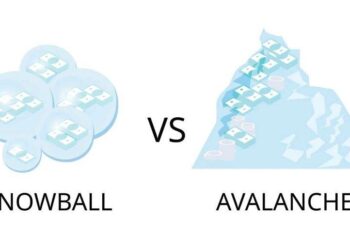
Focus on high-interest loans first: Use strategies like the avalanche method to save money.
-
Avoid taking on new debt: Only borrow if absolutely necessary, preferably at low fixed rates.
Reducing debt minimizes the impact of rising costs and preserves financial flexibility.
Step 4: Invest Strategically
Investing can help protect your money from inflation:
-
Consider inflation-protected securities: Treasury Inflation-Protected Securities (TIPS) or I-Bonds adjust with inflation.
-
Diversify investments: Stocks, ETFs, and index funds often outpace inflation over time.
-
Real assets: Real estate or commodities like gold can provide a hedge against inflation.
Even during uncertain times, disciplined investing ensures long-term financial growth.
Step 5: Optimize Income Streams
High inflation may require increasing income to maintain lifestyle:
-
Side income: Freelancing, part-time work, or gig economy jobs provide extra cash.
-
Passive income: Dividend-paying stocks, rental income, or online ventures supplement earnings.
-
Skill upgrades: Invest in training or certifications to increase earning potential.
Additional income helps offset rising costs and strengthens financial resilience.
Step 6: Shop Smart and Reduce Expenses
Practical steps can help stretch your dollars further:
-
Price comparisons: Check multiple stores and online options before purchasing.
-
Buy in bulk: For non-perishable items, bulk purchases can reduce costs.
-
Discounts and loyalty programs: Use coupons, cashback, and rewards to save money.
-
Substitute wisely: Opt for more affordable alternatives without sacrificing quality.
Small adjustments in spending habits can significantly reduce the impact of inflation.
Step 7: Plan for Long-Term Financial Goals
Even during high inflation, it’s important to maintain focus on long-term objectives:
-
Retirement savings: Continue contributions to retirement accounts like 401(k)s or IRAs, adjusting for inflation.
-
Education or home buying: Factor rising costs into your savings targets.
-
Invest consistently: Regular investments, even small amounts, grow over time despite inflation.
Long-term planning ensures you stay on track with financial goals despite short-term economic pressures.
Comparison Table: Strategies for Managing Finances During Inflation
| Strategy | Purpose | Key Action |
|---|---|---|
| Reassess Budget | Control spending | Track expenses, prioritize essentials, cut non-essentials |
| Emergency Fund | Financial security | 3–6 months of expenses in high-yield savings |
| Debt Reduction | Minimize financial strain | Pay off high-interest loans first |
| Strategic Investing | Preserve wealth | TIPS, index funds, real assets |
| Increase Income | Offset rising costs | Side jobs, passive income, skill upgrades |
| Smart Shopping | Reduce expenses | Compare prices, buy in bulk, use discounts |
| Long-Term Planning | Achieve financial goals | Continue retirement savings and regular investments |
FAQs
How can I protect my savings from inflation?
Invest in assets that historically outpace inflation, such as stocks, ETFs, real estate, or inflation-protected securities like TIPS.
Should I stop spending on non-essential items entirely?
Not necessarily. Reducing discretionary spending strategically helps free up funds for essentials and savings without creating financial strain.
How much emergency fund is enough during inflation?
Aim for 3–6 months of living expenses, adjusted for rising costs.
Is investing riskier during high inflation?
Short-term volatility may increase, but diversified, long-term investments like index funds often outperform inflation over time.
Can couples manage finances together during inflation?
Yes. Following principles from Financial Planning Tips for Newly Married Couples, like joint budgeting and shared goals, helps both partners navigate rising costs effectively.
Conclusion
Managing personal finances during high inflation requires discipline, strategy, and adaptability. By adjusting budgets, building an emergency fund, reducing high-interest debt, investing wisely, and exploring additional income streams, you can protect your financial health.
Inflation may be challenging, but couples and individuals who take proactive steps can maintain stability, continue pursuing financial goals, and even take advantage of opportunities to grow wealth despite rising costs. Maintaining focus, planning carefully, and making informed decisions are the keys to thriving financially during inflationary periods.