Most individuals think of chronic conditions as a kind of suffering. It’s more constructive to think of them as you would any complicated, ongoing project – with systems, tools, and the right kind of support where you need it most. This change in thinking is what distinguishes those seniors who successfully age in place from those who suffer through a series of crises and end up in reactive, crisis-driven care.
Build a medication system you don’t have to think about
Adhering to your prescribed medication is often where chronic condition management can fall apart. Because the reality is, when you’re juggling two or three scripts, each with different timing instructions, your memory is not your friend. And when you forget a dose, it’s not due to a lack of willpower or because you don’t want to feel better. It’s just not possible to keep track of it all.
Automated dispensers are a set and forget solution. They provide the correct dose of the correct script at the correct time. Plus, they can alert a family member if a dose has been missed. Smartphone-based reminders can work for those who are already heavily reliant on their phone. The point is, the fewer decisions you need to make on a daily basis, the less chance there is that you’ll make the wrong one.
This is super important because 77% of adults over 65 are contending with at least two chronic conditions at any given time. You can’t effectively manage each issue unless you can effectively manage each medication. And you can’t effectively manage each medication unless you can effectively manage multiple regimens.
Home environment as a medical intervention
The design and structure of a house greatly influence a person’s health, especially elderly individuals with conditions affecting their balance, vision, or mobility. This goes beyond appearance; it’s about eliminating barriers that can easily result in a serious injury.
Implementing universal design principles can help in a very practical way: installing non-slip floors in the bathroom, adding grab bars by the toilet and shower, increasing lighting in hallways, and ensuring there are no loose rugs or cords on walking routes. More importantly, a formal assessment of fall risks can help determine the unique dangers in an individual’s residence, as these vary greatly from home to home and from person to person.
This is also where assistive tech comes in. Fall sensors that detect danger and contact emergency services, wearable devices that monitor vitals on a minute-to-minute basis, smart locks that grant entry to relatives remotely: these are not compromises. They are the basic utility of aging in place.
Using remote monitoring to reduce clinic dependency
Regular visits to the doctor’s office can be disruptive and quite challenging for those with mobility issues or busy schedules. Fortunately, remote monitoring tools have significantly improved this situation. For example, a wearable glucose sensor can easily transmit real-time data to a healthcare professional. The same goes for a heart rate monitor that can detect irregular heart rates and alert medical staff before any discomfort is even felt.
Moreover, telehealth appointments can facilitate this process even further. They can help patients discuss their treatment plan or address any minor concerns without even leaving home. For elderly people in remote areas or those with limited transportation options, this can make a world of difference regarding preventive care.
Designing a shared care model that preserves autonomy
Many seniors and their families get mired in this. The last thing they want to do is give up total control. And they don’t have to. Professional support can just handle specific tasks that are either high-stress or high-risk. That leaves all the low-stress, low-risk, energy-giving activities for the senior.
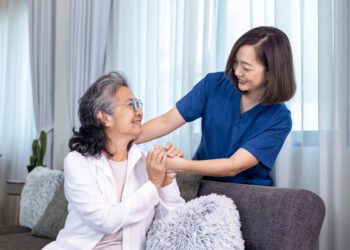
An occupational therapist can assess which activities of daily living are safe to perform independently and which create injury risk. Working with a Home Care Agency PA gives families a professional partner who can step in for exactly these targeted tasks, helping with meal preparation, transportation, light housekeeping, medication reminders while the senior retains full control over their daily schedule and decisions.
That distinction matters psychologically. There’s a difference between “someone is here to help with specific things” and “someone is here to take over.” The former is compatible with independence. The latter isn’t.
Nutrition and hydration as part of the clinical picture
Poor nutrition is a primary driver of chronic condition flare-ups, and it’s consistently underweighted in care planning. Hydration, in particular, is something many older adults manage poorly – thirst perception decreases with age, and dehydration can mimic or worsen symptoms of other conditions.
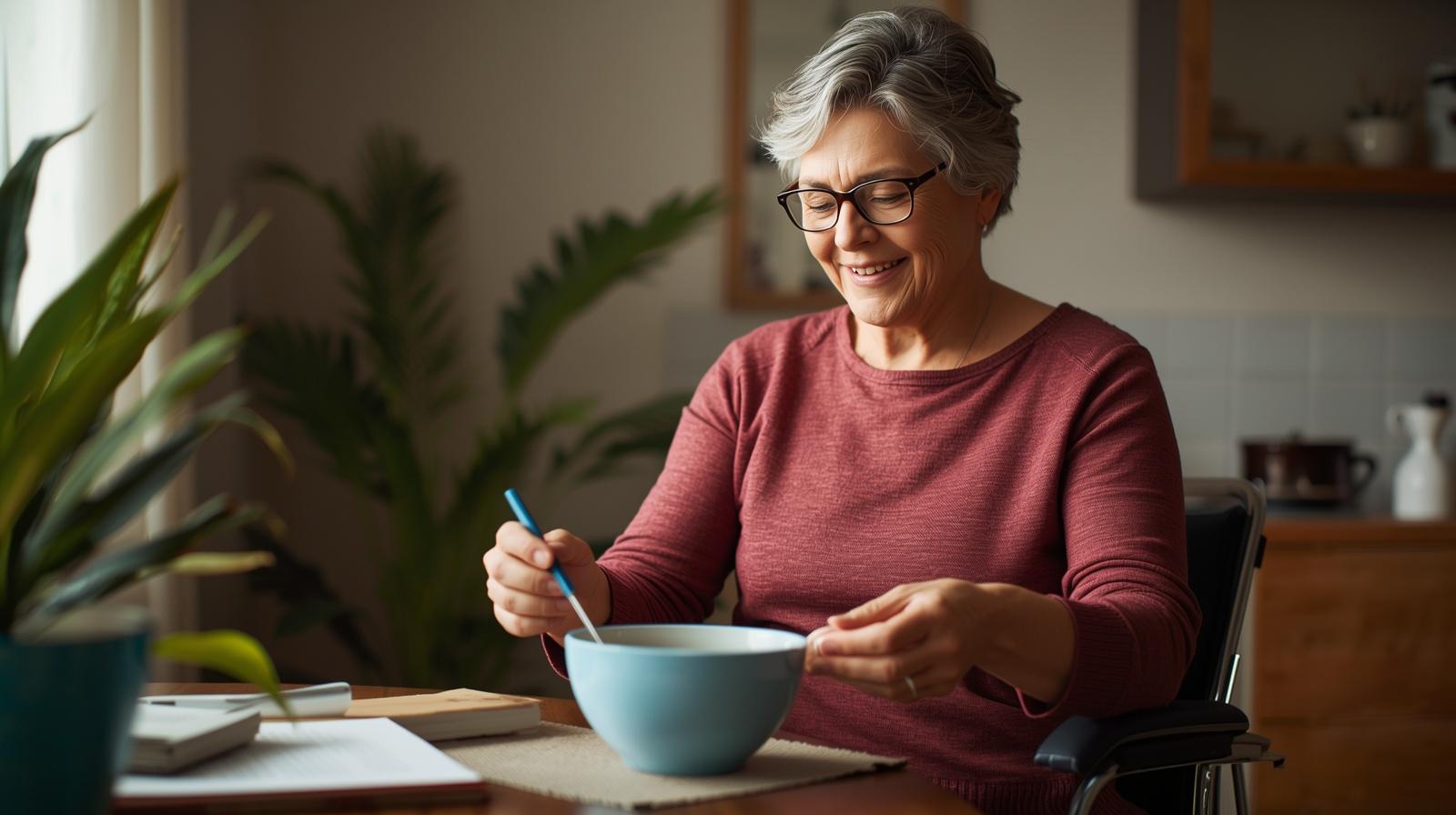
Nutritional density should be treated as a medical intervention rather than a lifestyle preference. Working with a dietitian to build an eating plan that supports the specific conditions involved – whether that’s cardiac issues, diabetes, or kidney function – is the same logic as adjusting a medication. Food interacts with everything else in the care plan.
Meal delivery services, grocery assistance, and simple meal prep support are areas where non-medical home care can have an outsized impact on senior health outcomes without requiring clinical expertise.
Managing chronic conditions independently doesn’t mean managing them alone. The seniors who stay in their homes the longest tend to be the ones who treat assistance as a resource they’ve chosen to deploy, not a failure they’ve been forced to accept.