Source: Unsplash (CC0)
Starting video games from scratch can feel weirdly intimidating. You turn something on, menus pop up, buttons do things you don’t understand, and suddenly it feels like everyone else got a handbook you missed. You tell yourself to push through it, that you’ll figure it out eventually, but that first hour can be uncomfortable in a way no one really warns you about. It’s not that games are hard, it’s that they assume familiarity. And when you don’t have that, it’s easy to feel like you’re doing it wrong before you’ve even begun.
The truth is, most people who game regularly didn’t start confident either. They just had more time to get used to the language of games. Once you stop treating gaming like a test you need to pass and more like something you ease into, things start to click. Slowly. Naturally. Without forcing it.
Start small and low-pressure
The biggest mistake new players make is starting too big. Big stories. Big worlds. Big expectations. That’s a fast way to feel lost. Instead, it helps to begin with something familiar, something that doesn’t demand quick reactions or deep knowledge. This is why card games and simple puzzles work so well as an entry point. A casual game of poker or a basic card game gives you space to learn how games feel without overwhelming you. You already understand the rules, so your brain can focus on the interface instead of panicking about every decision.
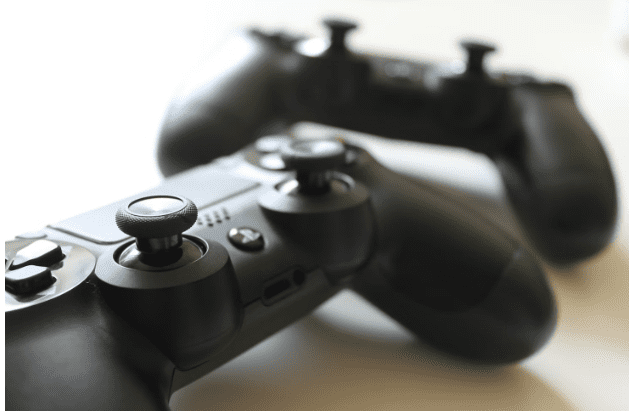
These kinds of games help you get comfortable with controllers, menus, and pacing. You learn how games reward patience. You start noticing patterns. And most importantly, you stop feeling rushed. That calm is what helps confidence build, even if you don’t realise it’s happening at the time.
Free-to-play games remove the pressure
One of the reasons gaming feels unwelcoming is the price tag. Buying something you don’t understand yet feels risky. That’s where free-to-play games help. They let you explore without commitment. No guilt. No pressure to get your money’s worth. You can try things, leave them, come back later, or delete them entirely without feeling like you failed.
Free games also tend to explain themselves better. They know new players are coming in, so tutorials are gentler and systems are introduced slowly. You learn by doing, not by being lectured. This is often where people realise gaming isn’t about reflexes or talent. It’s about familiarity. And familiarity only comes from time.
Understanding genres without overthinking them
At some point, you’ll hear people talk about genres. Action. Strategy. Simulation. Role-playing. It can sound like a lot, but it doesn’t need to be complicated. Popular gaming genres are just categories that describe how a game feels to play. Some are fast. Some are slow. Some tell stories. Some are about systems and planning.
You don’t need to memorise any of this. You just notice what you enjoy. Do you like thinking things through? Do you prefer reacting in the moment? Do you enjoy quiet focus or social interaction? Over time, patterns emerge. You’ll start gravitating toward certain types of games without consciously deciding to. That’s how most gamers figure it out, even if they pretend they always knew.
Source: Unsplash (CC0)
Choosing hardware without stress
Eventually, you might start wondering if you need better equipment. A console. A computer. Something more “proper.” This is where people often overthink things. You don’t need the best anything to get started. Modern consoles are designed to be approachable. You plug them in, follow instructions, and you’re playing. PCs offer more flexibility, but they’re not mandatory.
The key is choosing what feels simplest for you. If the idea of settings and upgrades sounds exhausting, a console is usually easier. If you already have a laptop or desktop, you can try games there first. What matters isn’t power. It’s comfort. You’re building familiarity, not a setup to impress anyone.
Learning at your own pace is the whole point
One of the quiet frustrations new players feel is comparison. You watch someone else play and think you should be that good already. You’re not. And you don’t need to be. Gaming isn’t about speed. It’s about learning systems one step at a time. Everyone presses the wrong button. Everyone gets lost. Everyone fails tutorials they pretend were easy.
The moment you stop rushing yourself, games start teaching you naturally. You begin recognising icons. You understand objectives without rereading them. Things that felt confusing start feeling obvious. That’s not talent. That’s exposure. And it only happens if you give yourself permission to be bad for a while.
Social games don’t have to be scary
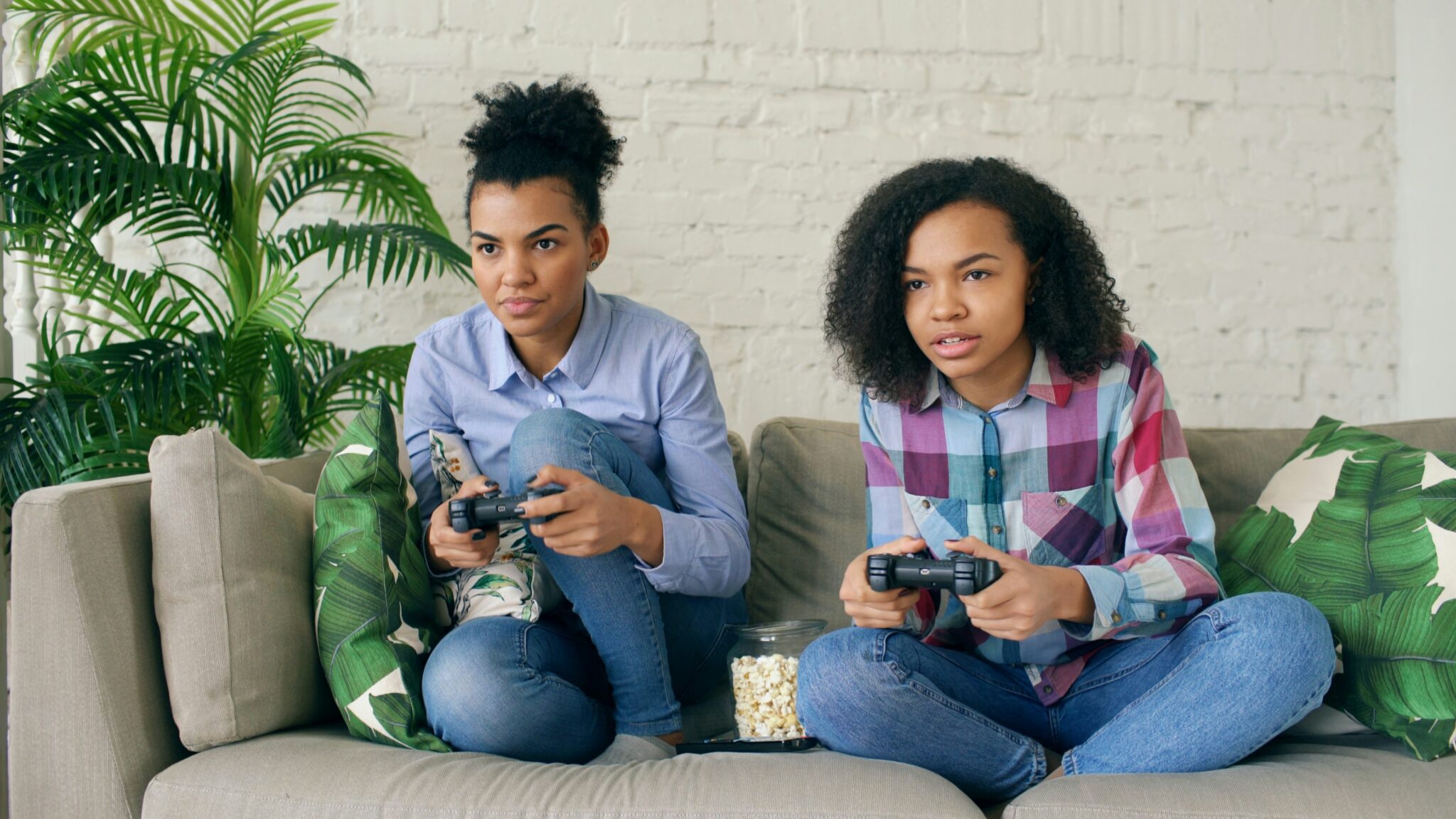
Multiplayer games can look intimidating from the outside. Voice chat. Teams. Competition. But not all social gaming is loud or aggressive. Many games are cooperative. You work together. You help each other. You share goals. That environment can feel surprisingly welcoming, especially when everyone is focused on the same task.
You don’t have to talk if you don’t want to. You don’t have to be good. Showing up is enough. Over time, familiarity grows. You recognise names. You feel less alone. For many new players, this is where gaming shifts from confusing to comforting.
Big games make sense once the basics stick
Eventually, the games that once looked impossible start feeling approachable. Big stories. Open worlds. Popular titles you used to avoid. Not because you forced yourself to learn, but because the basics settled in quietly. You know how to move. You know how menus work. You understand what games expect from you.
This is when gaming becomes enjoyable rather than effortful. You’re no longer translating everything in your head. You’re just playing. And that’s usually the moment people realise they didn’t need to “get into gaming” at all. They just needed time.
No one starts gaming confident. They start curious, frustrated, unsure, and a little overwhelmed. That’s normal. The confidence comes later, once you’ve stopped trying so hard. Once you’ve let yourself explore without judgement. Once games stop feeling like something you’re failing at and start feeling like something you’re learning. This is usually when people start thinking that gaming was never as complicated as it seemed. It just needed a slower beginning.