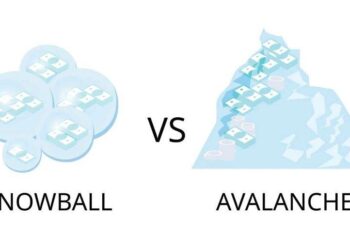
Managing debt can feel overwhelming, but with a structured approach, it’s possible to pay it off efficiently and regain financial control. The snowball method is a popular debt payoff strategy that focuses on building momentum by tackling smaller debts first. This method not only helps reduce debt quickly but also provides psychological motivation to stay committed.
This guide explains how to create a debt payoff plan using the snowball method, while also complementing broader financial strategies like Simple Money Management Tips for College Students, which emphasize budgeting, saving, and disciplined financial habits.
What Is the Snowball Method?
The snowball method is a debt repayment strategy where you:
-
List debts from smallest to largest balance.
-
Make minimum payments on all debts except the smallest.
-
Focus extra money on paying off the smallest debt first.
-
Once a debt is paid, move to the next smallest, rolling over previous payments.
This approach builds momentum—much like a snowball growing as it rolls downhill—encouraging motivation and progress.
Step 1: List All Debts
Start by creating a complete list of your debts:
-
Include credit cards, personal loans, student loans, and any other obligations.
-
Record balances, interest rates, and minimum monthly payments.
-
Organize debts from smallest balance to largest, regardless of interest rate.
This structured view helps you identify which debt to tackle first and plan your strategy.
Step 2: Create a Monthly Budget
A realistic budget is essential to free up funds for debt repayment:
-
Track income and expenses: Include all sources of money and essential spending.
-
Identify cutbacks: Reduce discretionary spending like dining out, entertainment, or subscriptions.
-
Allocate extra funds to debt: Determine how much extra money you can direct toward your smallest debt each month.
Budgeting ensures you consistently apply additional funds to debt repayment without neglecting necessary expenses.
Step 3: Focus on the Smallest Debt
The key to the snowball method is prioritizing the smallest balance:
-
Make minimum payments on all other debts.
-
Apply all extra funds to the smallest debt.
-
Celebrate the payoff: Clearing the first debt gives psychological motivation to continue.
This early victory reinforces discipline and encourages ongoing commitment to your plan.
Step 4: Roll Over Payments
Once the smallest debt is paid off:
-
Add its payment to the next smallest debt: Combine this amount with the regular minimum payment.
-
Continue the cycle: Each subsequent payoff adds more funds toward the next debt.
-
Watch momentum grow: Over time, repayment accelerates as more money is applied to fewer debts.
Rolling over payments maximizes efficiency and shortens the time needed to become debt-free.
Step 5: Track Progress
Monitoring your progress helps maintain motivation:
-
Use spreadsheets or apps: Track balances, payments, and milestones.
-
Celebrate small wins: Recognize each debt paid off as a step toward financial freedom.
-
Adjust if needed: If unexpected expenses arise, recalibrate payments while staying on track.
Keeping visual evidence of progress reinforces discipline and encourages continued effort.
Step 6: Consider Extra Strategies
To accelerate debt payoff, consider:
-
Side income: Part-time jobs, freelancing, or selling unused items can provide extra funds.
-
Windfalls: Tax refunds, bonuses, or gifts can be applied directly to debts.
-
Debt consolidation (optional): Combining multiple debts into a lower-interest loan can simplify repayment, but the snowball method’s motivation-focused approach often works well without it.
Combining strategies can shorten your debt-free timeline and reduce interest costs.
Comparison Table: Snowball Method vs Avalanche Method
| Feature | Snowball Method | Avalanche Method |
|---|---|---|
| Debt Focus | Smallest balance first | Highest interest rate first |
| Motivation | High (quick wins) | Moderate (slower initial progress) |
| Interest Costs | Slightly higher overall | Typically lower overall |
| Best For | Psychological encouragement, beginners | Cost-conscious, mathematically focused |
The snowball method prioritizes motivation, making it especially effective for people struggling with multiple debts.
FAQs
What if I have very high-interest debt?
While the snowball method doesn’t prioritize interest, the psychological benefits often help maintain consistency. You can combine methods by paying extra toward small debts while making minimum payments on high-interest loans.
Can college students use the snowball method?
Yes. Combining it with Simple Money Management Tips for College Students—like budgeting, tracking expenses, and minimizing discretionary spending—makes the approach highly effective.
How long does it take to pay off debt using this method?
Time varies depending on total debt, available monthly payments, and additional income applied, but momentum accelerates as each debt is paid off.
Can I adjust the order of debts?
It’s best to follow the smallest-to-largest balance order for motivation, but adjustments are possible if prioritizing certain debts for personal reasons.
Do I need to stop saving while paying off debt?
Not necessarily. Maintain a small emergency fund to avoid new debt, while directing most extra funds to repayment.
Conclusion
The snowball method is a simple yet powerful strategy for eliminating debt, especially for beginners or individuals struggling to stay motivated. By listing debts, creating a realistic budget, focusing on the smallest balance, and rolling over payments, you can build momentum and achieve financial freedom.
Combining the snowball method with disciplined financial habits—such as those in Simple Money Management Tips for College Students—ensures you manage money wisely while eliminating debt. With consistency, patience, and planning, becoming debt-free is not only possible but achievable in a structured and motivating way.