Dark spots are one of the most stubborn and frustrating skin concerns. Even when your skin is healthy, these visible patches, often darker than your natural complexion, can make your face appear uneven, dull, and aged. Whether they come from acne, sun exposure, hormonal imbalances, or ageing, dark spots take time to fade and require a targeted treatment approach.
The skincare industry today offers dozens of products claiming to brighten and lighten pigmentation. But choosing the right dark spot cream for face is not as simple as picking the most popular one on the shelf. The effectiveness depends on the cream’s formulation, active ingredients, technology, and how well it suits your specific skin type and concerns.
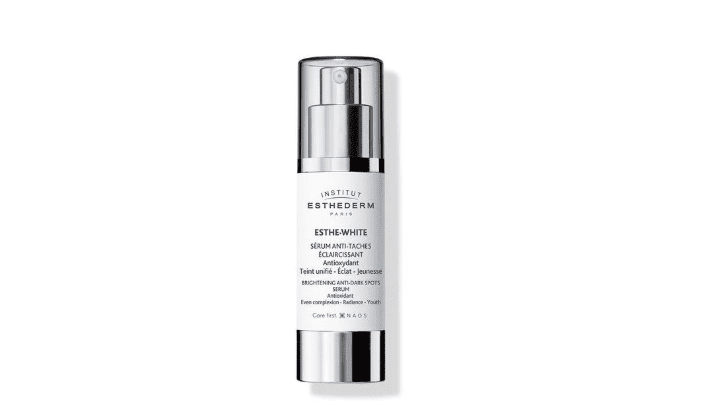
Leading professional skincare brands like Institut Esthederm have invested decades of research into developing scientifically advanced pigmentation solutions that deliver visible and long-lasting results.
This detailed guide will help you understand hyperpigmentation better, choose the right cream, and build a routine that works.
What Exactly Are Dark Spots and Why Do They Form?
Dark spots clinically known as hyperpigmentation appear when the skin produces excess melanin. Melanin is the pigment responsible for giving your skin its colour. However, when it becomes concentrated in certain areas, it forms spots that can range from light brown to deep brown.
Here are the most common causes:
1. UV Exposure
UV rays stimulate melanocyte cells, leading to sunspots, age spots, and freckles. This is the number one cause of dark patches on the face.
2. Acne Scars
After a breakout heals, inflammation can leave behind a dark mark called post-inflammatory hyperpigmentation (PIH).
3. Hormonal Melasma
Pregnant women, individuals on birth control, or those with hormonal fluctuations may develop symmetrical patches on the cheeks, forehead, or upper lip.
4. Ageing
As your skin ages, cell turnover slows down, increasing the chances of uneven pigmentation.
5. Pollution and Lifestyle
Exposure to toxins, poor diet, and stress all contribute to oxidative damage that results in dark spots.
Understanding the underlying cause helps you choose the right treatment strategy.
Why You Need a Specialised Dark Spot Cream for the Face
The skin on your face is more delicate than the skin on your body. It requires gentler formulas that target pigmentation without causing irritation, redness, or peeling.
A good dark spot cream for the face should:
Penetrate deeply to break down melanin clusters
Surface treatments only brighten temporarily; deeper formulas fade spots at the source.
Regulate melanin production
This prevents new dark spots from forming.
Repair cellular damage
High-quality formulas protect skin from UV light, oxidative stress, and environmental triggers.
Support skin barrier function
A strong barrier helps prevent future pigmentation issues.
Be safe for long-term use
Especially important for sensitive or acne-prone skin.
Not all creams meet these criteria, which is why choosing a scientifically advanced, dermatologist-approved formula matters.
Ingredients Dermatologists Recommend for Pigmentation
To get visible results, look for creams containing:
1. Vitamin C
Brightens the complexion and reduces pigmentation through antioxidant action.
2. Niacinamide
Lightens spots, reduces inflammation, and strengthens the skin barrier.
3. Retinol
Improves cell turnover and helps fade acne scars.
4. Alpha Arbutin
One of the safest and most effective brightening ingredients.
5. Kojic Acid
Works by reducing the production of melanin.
6. Liquorice Extract
Calms inflamed skin and naturally brightens pigmentation.
7. AHA/BHA Acids
Glycolic, lactic, and salicylic acids unclog pores and help newer, brighter skin appear.
8. Patented Complexes
Found in high-quality brands like Institut Esthederm, these target pigmentation at the cellular level, offering deeper and longer-lasting results.
A combination of these ingredients makes a cream more potent and well-rounded.
How to Select the Right Dark Spot Cream for Your Skin Type
Different skin types require different formulations.
For Oily & Acne-Prone Skin
Look for lightweight gels or serums with:
- Niacinamide
- Retinol
- AHA/BHA acids
Avoid heavy creams that clog pores.
For Dry Skin
Creamy formulas with:
- Hyaluronic acid
- Vitamin E
- Peptides
These hydrate while fading spots.
For Sensitive Skin
Fragrance-free, gentle formulas with:
- Licorice
- Vitamin C derivatives
- Arbutin
Avoid strong acids or high-percentage retinol.
For Combination Skin
Use lightweight creams with both hydrating and brightening actives.
A dermatologist-approved, scientifically backed formula ensures safety and results.
Daily Skincare Routine for Faster Pigmentation Reduction
To maximise results, follow this routine consistently:
Morning Routine
- Cleanser
- Vitamin C serum
- Dark spot cream for face
- Lightweight moisturizer
- Sunscreen (SPF 50 mandatory)
Night Routine
- Cleanser
- Retinol serum (if suitable)
- Dark spot cream
- Nourishing night cream
Most people start seeing improvements in 8–12 weeks.
Sun Protection Is the Most Important Step
Even the best dark spot cream won’t work if you don’t use sunscreen. UV exposure deepens existing spots and triggers new ones.
Choose SPF 50, broad spectrum, and reapply every 3–4 hours if outdoors.
Without sun protection, dark spots constantly return.
Why Choosing a Premium Skincare Brand Makes a Difference
Drugstore brightening creams often provide surface-level lightening only. High-quality, research-based brands use advanced biotechnology to target the root cause of pigmentation.
Premium brands offer:
- Deeper absorption
- Stable active ingredients
- Balanced, non-irritating formulas
- Clinically tested results
- Long-term skin repair
This is why dermatologists trust scientifically advanced brands like Institut Esthederm, which specialises in photo-ageing, pigmentation, and cellular repair.
Lifestyle Changes to Prevent Dark Spots
- Wear sunscreen daily
- Avoid picking or popping pimples
- Stay hydrated
- Eat antioxidant-rich foods
- Exfoliate 2–3 times a week
- Reduce stress and get enough sleep
These habits support healthier, brighter skin.
Professional Treatments That Complement Dark Spot Creams
For deeper or stubborn pigmentation, dermatologists may suggest:
- Chemical peels
- Laser therapy
- Microdermabrasion
- Microneedling
Using a high-quality cream alongside these treatments speeds up results.
Conclusion
Achieving bright, even-toned, spotless skin requires the right combination of knowledge, skincare science, and consistency. A targeted dark spot cream for face formulated with proven actives can dramatically reduce pigmentation when used correctly and consistently.
Pairing it with sun protection, a healthy lifestyle, and high-quality skincare ensures long-term results and a glowing complexion.