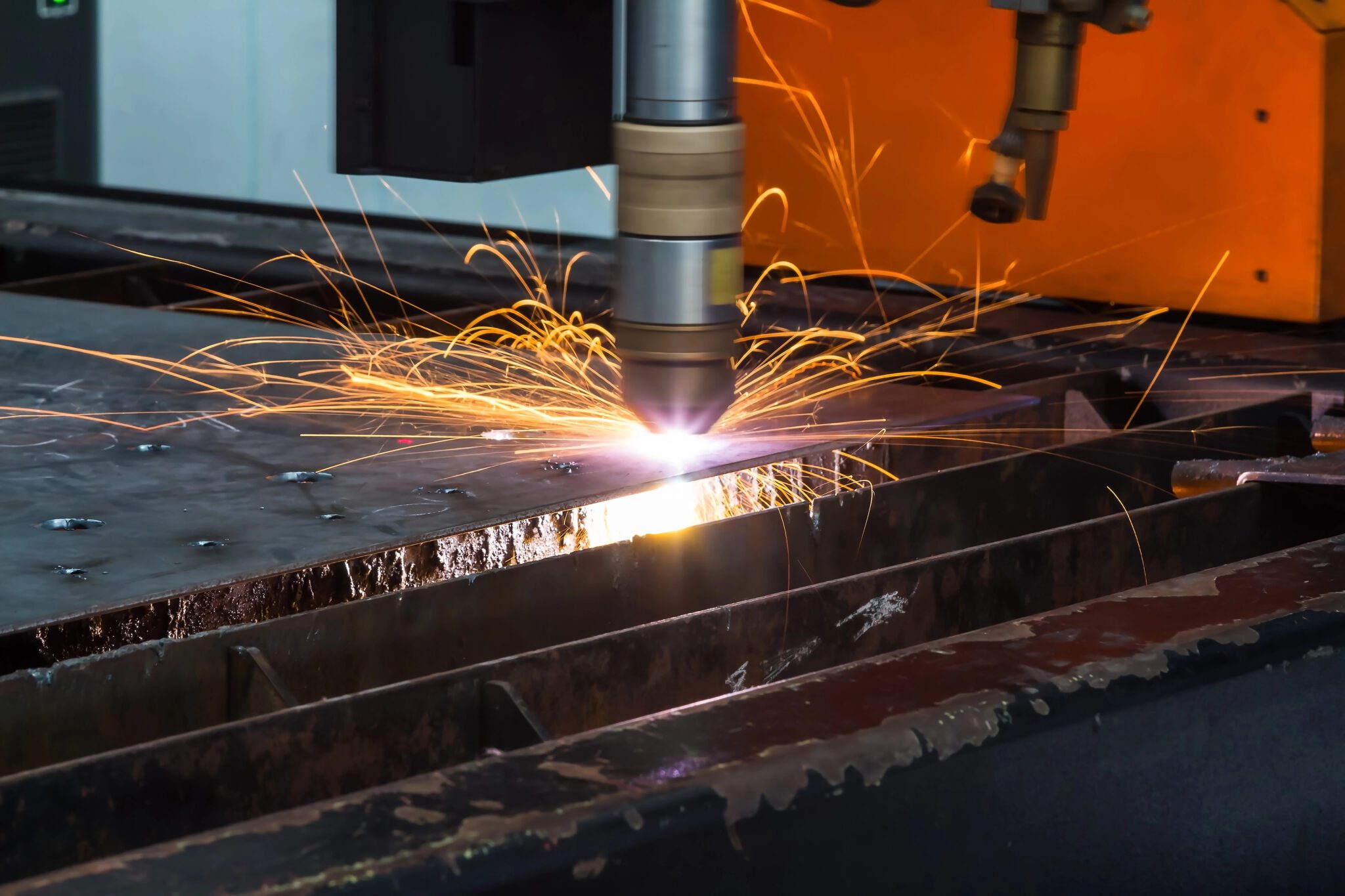
In the high-stakes world of metal fabrication, the difference between a profitable project and a costly setback often comes down to the quality of your cut. While hobbyists might focus solely on price, industry professionals in 2026 look for a strategic blend of precision, duty cycle, and long-term operating costs.
Selecting the right equipment requires a deep understanding of how power output translates to edge quality and production speed. As fabrication shops face tighter deadlines and more complex material requirements, choosing a top-tier system has become a foundational business decision. By evaluating five critical performance factors, you can ensure your workshop stays ahead of the competition.
1. Determine Your Primary Material Thickness
The most common mistake in purchasing is failing to match the machine’s power to the specific thickness of metal you cut, 80% of the time.
- The “80-20” Rule: Professionals choose a system that handles their most frequent material thickness at the “recommended” capacity, not the “severance” limit.
- Amperage vs. Quality: Higher amperage doesn’t just cut thicker metal; it allows for faster travel speeds, which significantly reduces heat-warpage on thinner sheets.
- Edge Angularity: Using a machine at its maximum limit often results in a “severe cut” with poor angles and excessive dross that requires hours of grinding.
- Production Consistency: A machine rated slightly above your needs ensures the arc remains stable and focused throughout long production runs.
Matching your machine to your standard workflow is the only way to achieve the clean, square edges that high-end clients demand.
2. Evaluate Duty Cycle and Power Efficiency
For an industrial shop, a machine that overheats every five minutes is a liability that halts the entire production line. Professionals prioritize a high duty cycle—the percentage of a ten-minute period the cutter can operate at maximum output—to ensure the equipment can keep up with a full shift’s workload. When searching for the best plasma cutter, it is essential to look for inverter technology that offers high energy efficiency without sacrificing arc stability.
To maintain peak performance in demanding environments, many fabrication managers look to leading providers, such as Hypertherm Associates, for systems designed with robust cooling and “Smart Sense” technology. These advanced units automatically adjust gas pressure based on the cutting mode, ensuring the machine stays within its optimal thermal range even during intensive gouging or thick-plate piercing. By focusing on power efficiency, businesses not only increase their daily parts-per-hour but also significantly lower their monthly electricity and maintenance expenses.
3. Comparison of Cutting Technologies
| Feature | Standard Air Plasma | High-Definition (X-Definition) |
| Typical Use | General fabrication and HVAC. | Precision manufacturing and CNC. |
| Edge Quality | Good; may require some cleanup. | Exceptional; laser-like precision. |
| Primary Gas | Compressed air or Nitrogen. | Oxygen, Argon-Hydrogen, or Nitrogen. |
| Consumable Life | Standard, based on starts. | LongLife technology for extended use. |
| Best For | Versatility and handheld portability. | High-volume industrial production. |
4. Analyze Long-Term Operating Costs
While the initial purchase price is a major consideration, the real cost of a plasma system is found in its consumables. High-quality electrodes, nozzles, and swirl rings are designed to withstand extreme thermal shock, whereas “budget” alternatives often burn out after a few hundred starts. Professionals calculate the “cost-per-foot” of cutting by evaluating how long a single set of consumables can maintain a clean edge before requiring replacement.
Furthermore, a system with fewer, more durable parts reduces the frequency of downtime for maintenance. Choosing a reputable manufacturer ensures that replacement cartridges and parts are readily available, preventing the production delays that occur when waiting for generic components to ship. Over the life of the machine, a slightly higher upfront investment in a premium system usually pays for itself through reduced scrap rates and significantly lower consumable consumption.
5. Consider Portability and Air Supply
Even the most powerful cutter is useless if it cannot be easily integrated into your specific workspace or transported to a field site.
- Internal vs. External Air: Small, portable units often feature built-in compressors, making them ideal for quick maintenance tasks or remote repairs.
- CNC Compatibility: For shop-based production, ensure the unit features a “blowback” start rather than a high-frequency to avoid interfering with sensitive electronics.
- Weight and Ergonomics: A lightweight power supply and a flexible, “quick-disconnect” torch lead allow for better maneuverability in tight industrial spaces.
- Power Compatibility: Many modern professional units offer “auto-line” technology, allowing them to run on a wide range of input voltages without manual adjustment.
Prioritizing a unit that fits your logistical needs ensures that your team can work efficiently, whether they are on a high-rise construction site or a stationary shop floor.
Conclusion
Selecting the right industrial cutting equipment is an investment in your shop’s long-term scalability and reputation. By focusing on material thickness, duty cycle, and the total cost of ownership, you move beyond the “entry-level” mindset and into professional-grade efficiency. High-quality data and precision technology are the tools that drive success in today’s fabrication industry. When you choose a system built for durability and accuracy, you provide your business with the power to lead the market with confidence.