Tracking mileage accurately is essential for freelancers, small business owners, and employees who drive for work. Whether you’re logging miles for tax deductions, employee reimbursements, or business expense tracking, having a reliable mileage tracker is crucial. However, manual tracking methods, such as handwritten logs or spreadsheets, are prone to errors, lost records, and missed deductions.
That’s why using the best mileage tracker can make a significant difference. A mileage tracker app automates trip logging, categorizes business and personal trips, and generates IRS-compliant reports—saving time and money.
But with so many options available, how do you choose the best mileage tracker for your specific needs? In this guide, we’ll explore what to look for, key features to consider, and the top benefits of using the best mileage tracker for your business or personal use.
Why You Need the Best Mileage Tracker
Many people underestimate the importance of accurate mileage tracking until tax season or reimbursement claims become complicated. Choosing the best mileage tracker ensures that you:
✔ Maximize Tax Deductions – The IRS allows tax deductions for business miles driven, but only if you keep accurate records. A mileage tracker app ensures every trip is recorded and IRS-compliant.
✔ Avoid Reimbursement Errors – Employees who drive for work need accurate mileage logs for fair compensation. The best mileage tracker ensures correct reimbursement payments and prevents fraud or miscalculations.
✔ Save Time and Reduce Manual Work – Manually logging miles is tedious and error-prone. A mileage tracker app automates the process, allowing you to focus on work instead of paperwork.
✔ Stay Audit-Proof and Compliant – The IRS requires businesses to keep detailed mileage logs. Using the best mileage tracker ensures you never miss a required detail in case of an audit.
Key Features to Look for in the Best Mileage Tracker
Not all mileage trackers offer the same features. To ensure seamless and accurate tracking, look for a tracker that includes the following:
1. Automatic GPS Tracking
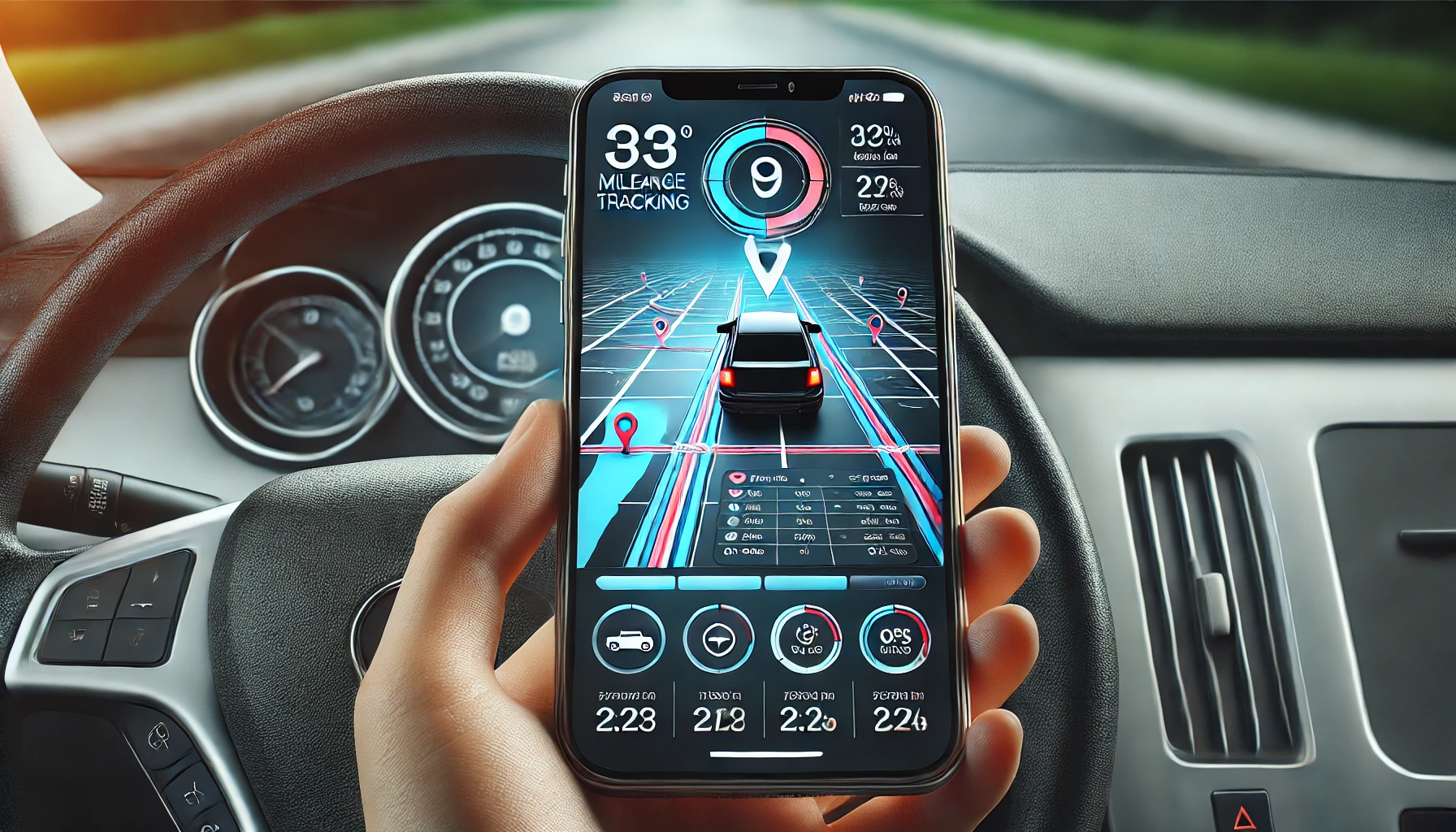
The best mileage tracker should automatically detect when you start and stop driving, eliminating the need for manual entry.
✅ Ensures accuracy
✅ Saves time
✅ Prevents forgotten trips
2. IRS-Compliant Reporting
For tax deductions or reimbursements, the tracker must provide detailed logs that include:
✔ Date of the trip
✔ Starting and ending locations
✔ Total miles driven
✔ Business purpose
3. Trip Categorization (Business vs. Personal)
Many people mix personal and business driving. The best mileage tracker should allow you to:
✔ Easily separate business and personal trips
✔ Set up custom categories for different expenses
✔ Review and edit trips as needed
4. Cloud Backup and Data Security
Losing mileage records could mean lost deductions or reimbursement disputes. A mileage tracker app with cloud storage ensures:
✔ Your data is always backed up
✔ Mileage logs are accessible from multiple devices
✔ Records are protected from accidental deletion
5. Integration with Accounting and Tax Software
The best mileage tracker should sync with platforms like:
✔ QuickBooks
✔ FreshBooks
✔ Xero
✔ TurboTax
This integration allows you to automatically transfer mileage data, simplifying expense tracking and tax filing.
6. Multi-Vehicle and Multi-User Support
For businesses managing multiple vehicles or employees, the tracker should allow:
✔ Tracking multiple vehicles separately
✔ Assigning trips to specific employees
✔ Managing reimbursements for multiple drivers
7. Manual Entry and Editing Options
Even with automatic tracking, sometimes trips need to be entered manually or adjusted. The best mileage tracker should allow:
✔ Adding missed trips
✔ Editing incorrectly logged miles
✔ Customizing reimbursement rates
Who Needs the Best Mileage Tracker?
A mileage tracker app is useful for:
🚗 Freelancers and Self-Employed Individuals
- Uber, Lyft, and delivery drivers need to track business mileage for tax deductions.
- Consultants and real estate agents drive frequently for client meetings and property visits.
- Gig workers benefit from automated logs instead of estimating miles.
🏢 Small Business Owners
- Track employee mileage accurately for expense reporting.
- Prevent mileage overclaims by automating logs.
- Sync data with payroll and accounting software.
👨💼 Employees Who Use Personal Vehicles for Work
- Ensure fair mileage reimbursements.
- Eliminate manual reporting.
- Reduce paperwork for HR and accounting teams.
How to Choose the Best Mileage Tracker for Your Needs
Step 1: Determine Your Requirements
- Do you need automatic tracking or prefer manual entry?
- Will you use the tracker for tax deductions, reimbursements, or both?
- Do you need multi-user access for employees?
Step 2: Compare the Features
The best mileage tracker should include:
✅ Automatic GPS logging
✅ IRS-compliant reports
✅ Cloud storage and backup
✅ Accounting software integration
✅ Easy trip categorization
Step 3: Test the User Experience
- Choose an app that has an intuitive interface.
- Make sure the app allows easy report exporting.
- Check if the tracking accuracy is reliable.
Step 4: Consider Pricing and Value
- Free apps may have limited features.
- Paid apps offer more automation, better reports, and premium support.
- Choose a plan that fits your budget and needs.
Common Mistakes to Avoid When Using a Mileage Tracker
Even with the best mileage tracker, some users make costly mistakes:
1. Forgetting to Enable Auto-Tracking
✅ Solution: Always turn on GPS tracking to log miles automatically.
2. Not Reviewing Mileage Reports Regularly
✅ Solution: Check your reports monthly to ensure accuracy.
3. Missing Tax Filing Deadlines
✅ Solution: Export mileage logs before quarterly tax deadlines to avoid last-minute stress.
4. Failing to Backup Mileage Data
✅ Solution: Use a tracker with cloud storage to protect against data loss.
Conclusion: Choose the Best Mileage Tracker and Start Saving Today
🚀 The best mileage tracker eliminates manual logging errors, maximizes tax deductions, and simplifies reimbursements. Whether you’re a freelancer, small business owner, or employee, using an automated mileage tracking app ensures accuracy, compliance, and efficiency.
By selecting a mileage tracker with automatic GPS tracking, IRS-compliant reporting, cloud storage, and accounting software integration, you can:
✅ Maximize tax deductions
✅ Eliminate reimbursement disputes
✅ Save hours of administrative work
✅ Ensure IRS compliance with audit-proof records
📲 Stop guessing your mileage—start tracking it accurately! Get the best mileage tracker today and take control of your business expenses with ease.