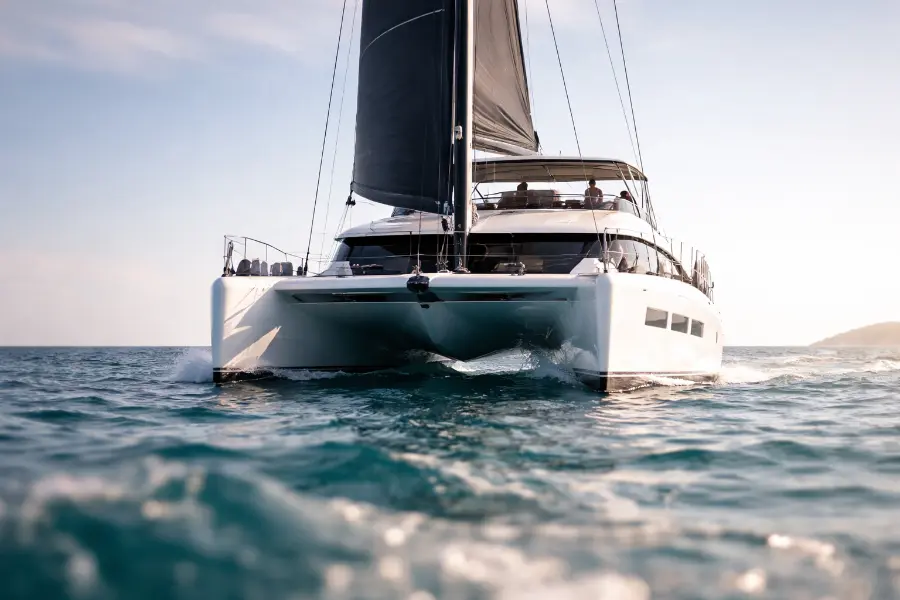
In 2026, Exclusive Destinations for Millionaires are redefining what luxury travel truly means. For high-net-worth individuals, travel is no longer about visiting popular hotspots it is about accessing hidden, ultra-private locations that remain out of reach for the general public. These destinations prioritize discretion, personalization, and unmatched exclusivity, offering experiences that go far beyond traditional luxury tourism.
Moreover, the definition of luxury itself has evolved. Instead of crowded five-star resorts, wealthy travelers now seek secluded environments, private access, and tailor-made journeys designed entirely around their preferences. The focus has shifted from visibility to privacy, and from popularity to uniqueness.
Consequently, a new category has emerged: Exclusive Destinations for Millionaires places that are intentionally difficult to access, often hidden from mainstream tourism, and tailored for privacy, prestige, and unparalleled comfort.
The Evolution of Luxury Travel in 2026
Luxury travel in 2026 reflects broader changes in wealth, technology, and lifestyle priorities. High-net-worth individuals now demand seamless, highly customized travel experiences that integrate privacy, efficiency, and exclusivity.
Unlike traditional tourists, wealthy travelers avoid crowded destinations. Instead, they leverage private aviation, elite concierge services, and insider networks to unlock hidden experiences. Moreover, the rise of digital transparency has made privacy even more valuable leading many millionaires to seek destinations that are deliberately off-grid.
However, this evolution is not just about avoiding crowds. It is about controlling every aspect of the journey. From personalized menus curated by private chefs to itineraries built around individual passions, travel has become an extension of personal identity.
Therefore, Exclusive Destinations for Millionaires are not simply locations they are ecosystems designed to deliver unmatched autonomy and comfort.
Why Exclusivity, Privacy, and Personalization Matter?
For wealthy travelers, exclusivity is more than a luxury it is a necessity. Privacy ensures freedom from intrusion, while personalization guarantees that every moment aligns with individual preferences.
Moreover, exclusivity often equates to quality. Limited access means fewer guests, better service, and more attention to detail. Whether it’s a private island or a secluded mountain chalet, these environments offer a level of tranquility that mass tourism cannot replicate.
However, personalization is the true differentiator. Wealthy travelers expect experiences tailored to their lifestyle, including:
- Custom itineraries managed by private travel planners
- Dedicated staff, including chefs and wellness experts
- Flexible schedules without rigid check-ins or itineraries
- Exclusive access to events, venues, and cultural experiences
Consequently, destinations that fail to offer these elements are quickly replaced by more discreet and adaptable alternatives.
Types of Exclusive Destinations for Millionaires
Private Islands and Ultra-Luxury Resorts
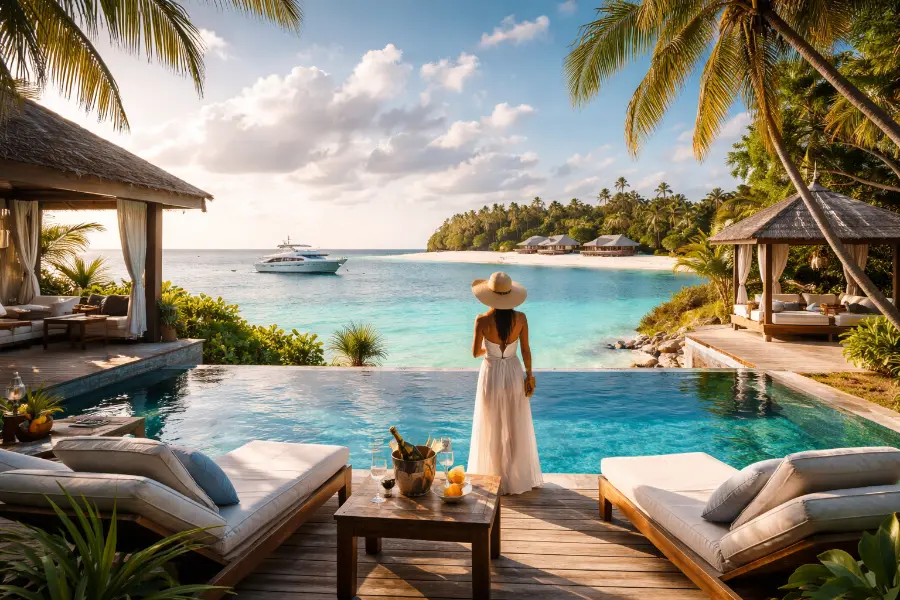
Private islands represent the pinnacle of exclusivity. Located in regions such as the Maldives and the Caribbean, these destinations offer complete seclusion combined with world-class amenities.
Moreover, ultra-luxury resorts now operate on a “buyout” model, allowing guests to reserve entire properties. This ensures absolute privacy and transforms the experience into a personal sanctuary.
However, access is often restricted. Many of these locations require private jet transfers followed by boat or helicopter arrivals, reinforcing their exclusivity.
Remote Eco-Luxury Retreats
Eco-luxury has become a defining trend in 2026. Wealthy travelers are increasingly drawn to remote destinations that combine sustainability with high-end comfort.
These retreats are often located in untouched environments—rainforests, deserts, or polar regions—offering immersive experiences without compromising luxury.
Moreover, they emphasize:
- Sustainable architecture
- Locally sourced gourmet cuisine
- Conservation-focused activities
- Minimal environmental impact
Therefore, eco-luxury retreats appeal to travelers seeking both exclusivity and ethical responsibility.
Members-Only Clubs and Hidden Villas
Another growing trend is the rise of members-only travel networks. These include private clubs, invitation-only resorts, and hidden villa collections that are not publicly listed.
Moreover, these destinations operate on discretion. Access is typically granted through referrals, memberships, or luxury concierge services.
Hidden villas, in particular, offer a unique blend of privacy and authenticity. Located in secluded coastal or countryside settings, they provide a home-like environment with full-service luxury amenities.
Read also: Top 5 yachting destinations in Spain for next season
High-End Destination Examples
Private Islands in the Maldives and Caribbean
Private islands in these regions are among the most sought-after Exclusive Destinations for Millionaires. They offer pristine beaches, crystal-clear waters, and complete isolation.
Moreover, many islands include:
- Private staff and chefs
- Personalized excursions
- Spa and wellness facilities
- Marine experiences like diving and яхting
Hidden Mediterranean Coastal Escapes
While the Mediterranean is widely known, certain coastal areas remain hidden from mainstream tourism. These include secluded coves, private estates, and lesser-known islands.
However, access is often limited to those with insider connections or private transport, ensuring these locations remain exclusive.
Luxury Safari Lodges in Africa
Africa’s luxury safari lodges provide a unique blend of adventure and exclusivity. Located in private reserves, these lodges offer intimate wildlife experiences without the crowds.
Moreover, guests can enjoy:
- Private game drives
- Luxury tented accommodations
- Personalized guides
- Conservation-focused experiences
Alpine Private Chalets in Europe
In Europe, private alpine chalets offer winter exclusivity. These properties combine scenic beauty with high-end amenities such as private ski access, wellness spas, and dedicated staff.
Consequently, they attract travelers seeking both adventure and privacy during peak seasons.
Destination Type vs Experience & Cost Level
| Destination Type | Experience Offered | Cost Level (Per Week) |
|---|---|---|
| Private Islands | Full privacy, tailored luxury | $100,000 – $1M+ |
| Eco-Luxury Retreats | Sustainable immersion, remote access | $50,000 – $300,000 |
| Hidden Villas | Personalized comfort, cultural authenticity | $30,000 – $150,000 |
| Safari Lodges | Exclusive wildlife experiences | $40,000 – $200,000 |
| Alpine Chalets | Private winter luxury, ski access | $50,000 – $250,000 |
Unique Experiences Wealthy Travelers Seek
Private Jet Access
Private aviation is a cornerstone of luxury travel. It enables direct access to remote destinations without the delays or exposure of commercial flights.
Moreover, it allows travelers to maintain complete control over their schedules, ensuring flexibility and privacy.
Personalized Itineraries and Concierge Services
Luxury concierge services play a crucial role in curating travel experiences. These professionals handle everything from bookings to bespoke experiences.
However, their value lies in access unlocking opportunities that are unavailable to the general public.
Exclusive Events and VIP Access
Wealthy travelers often seek access to events that are not open to the public. These may include:
- Private cultural performances
- Invitation-only gatherings
- VIP access to global events
- Behind-the-scenes experiences
Therefore, travel becomes a gateway to unique social and cultural opportunities.
How These Destinations Stay “Off the Radar”?
Exclusivity is maintained through several mechanisms:
- Limited capacity: Fewer guests ensure privacy
- High cost barriers: Pricing naturally restricts access
- Invitation-only policies: Membership or referrals required
- Minimal marketing: Reliance on word-of-mouth and networks
Moreover, many destinations intentionally avoid digital exposure, making them accessible only through elite channels.
Travel Style vs Level of Exclusivity
| Travel Style | Level of Exclusivity | Key Features |
|---|---|---|
| Commercial Luxury Travel | Moderate | 5-star hotels, premium services |
| Boutique Luxury Travel | High | Small properties, curated experiences |
| Private Travel | Very High | Villas, jets, personalized itineraries |
| Ultra-Luxury Buyouts | Extreme | Full property control, maximum privacy |
Trends Shaping Exclusive Travel in 2026
Shift Toward Experiential Luxury
Modern travelers prioritize experiences over material luxury. This includes immersive cultural interactions, adventure travel, and wellness retreats.
Demand for Privacy and Low-Density Travel
Privacy remains the top priority. Consequently, destinations with limited guest capacity are seeing increased demand.
Sustainable Luxury Tourism
Sustainability is no longer optional. Wealthy travelers are actively choosing destinations that align with environmental and ethical values.
Risks and Challenges of Ultra-Luxury Travel
Despite its appeal, ultra-luxury travel comes with challenges.
- Accessibility: Remote locations can be difficult to reach
- High costs: Expenses can exceed hundreds of thousands per trip
- Exclusivity barriers: Memberships and referrals limit entry
- Logistical complexity: Requires careful planning and coordination
However, for those who can afford it, these challenges are often part of the appeal.
More Than Travel: A Lifestyle Statement
Ultimately, Exclusive Destinations for Millionaires represent more than just vacations. They reflect a lifestyle centered on privacy, individuality, and curated experiences.
Moreover, these journeys serve as a form of personal expression. Each destination, itinerary, and experience is carefully chosen to align with the traveler’s identity and values.
Therefore, luxury travel in 2026 is not about where you go—it is about how uniquely you experience it.
FAQs
Where do millionaires travel most?
Millionaires often travel to private islands, secluded resorts, luxury safari lodges, and exclusive alpine chalets where privacy and personalized service are guaranteed.
What makes a destination “exclusive”?
A destination is considered exclusive if it offers limited access, high privacy, personalized services, and experiences unavailable to the general public.
How can someone access these places?
Access is typically gained through luxury concierge services, private travel planners, memberships, or referrals within elite networks.
Are private islands worth it?
For those seeking complete privacy and tailored experiences, private islands offer unmatched exclusivity and are often considered worth the investment.
What is the cost of ultra-luxury travel?
Ultra-luxury travel can range from $30,000 to over $1 million per trip, depending on the destination, duration, and level of customization.