Design isn’t just about solving problems or making things look nice. The best work goes further—it evokes something. It leaves a mark. Sometimes that mark is subtle, other times it glints across a room. And when it comes to creating that extra layer of polish, few materials offer more range—or more heritage—than Swarovski crystals.
There’s a reason they’ve endured for over a century. But it’s not just about sparkle for sparkle’s sake.
Why Swarovski still matters in modern design
Swarovski has long been synonymous with luxury, but what often gets overlooked is the craftsmanship that supports the shine. Each crystal is engineered with precision. The company’s proprietary cutting techniques and relentless quality control are part of why their crystals reflect light differently—more vibrantly, more cleanly—than almost anything else on the market.
That said, in an age of minimalism, ethical sourcing, and anti-excess, it’s fair to wonder: where do crystals fit into the contemporary design narrative?
The answer lies in how you use them. Rather than overwhelming a design, Swarovski crystals can punctuate it. They can underscore detail, highlight form, or introduce just enough contrast to elevate a piece without veering into cliché.
Where subtle luxury makes the difference
For designers, the challenge isn’t just creating something that looks expensive—it’s achieving a balance between visual intrigue and restraint. That’s where materials like Swarovski truly shine.
If you’re looking to introduce luxury accents for creative projects, there’s real value in choosing embellishments that carry a legacy of quality. These crystals offer that extra lift—a bit of dimension, a shift in tone, a focal point that transforms a design from interesting to memorable.
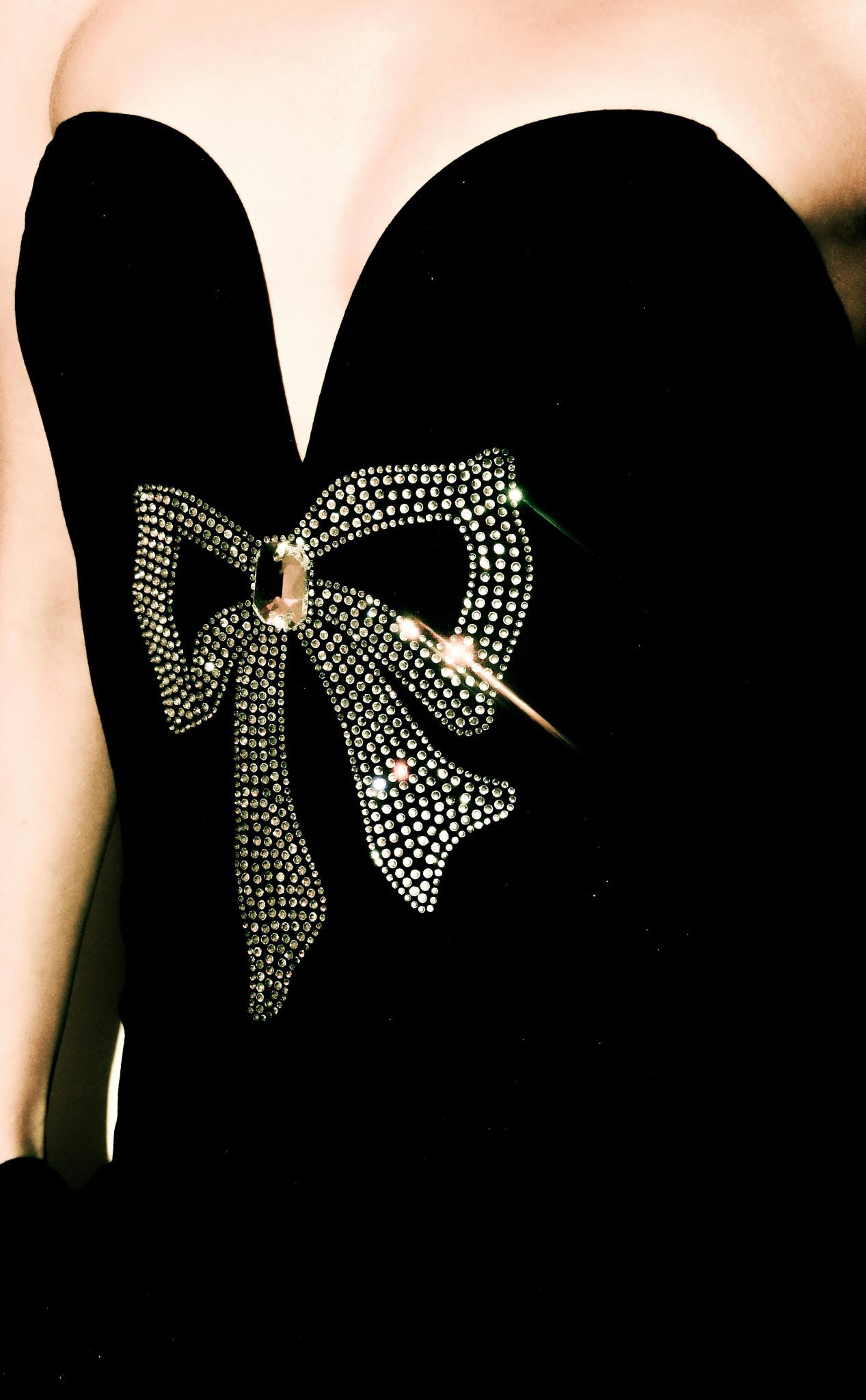
And yet, they don’t have to dominate. Whether it’s one or two crystals worked into a cuff or a minimalist clutch with a discreet line of embellishment, their impact depends more on placement than quantity.
That kind of control matters. Especially in projects where every material needs to earn its place.
Expanding beyond fashion
While Swarovski remains deeply rooted in the world of couture, it’s not just for gowns and red-carpet glamour.
Interior spaces
Designers increasingly use crystals in interiors—not as the star of the show, but as quiet punctuation marks. Think custom cabinet hardware, light fixtures that refract in the late afternoon sun, or decorative accents in luxury hospitality settings. The effect isn’t just “shiny”—it’s transformative. A subtle glimmer in the right place can make a room feel layered and intentionally designed.
Mixed media and artisan work
From fine art to costuming to jewelry, Swarovski has been embraced by artists and craftspeople who care about tactile storytelling. Crystals can add narrative to a piece—suggesting water, mimicking stars, or creating movement through pattern.
In short, they’re tools. Versatile ones. Aesthetically sharp, but adaptable enough to serve wildly different design intents.
Thinking sustainably without sacrificing aesthetics
Ethics in design isn’t a trend; it’s a shift in mindset. So it’s fair—important, even—to ask where Swarovski stands.
The brand has made strides in reducing its environmental impact, particularly by developing lead-free formulas and committing to more sustainable business practices. While the road to full sustainability is long and uneven, having clarity on sourcing and environmental footprint gives creators room to make informed decisions.
Is it perfect? No. But in a field where opacity is often the norm, Swarovski’s direction is at least aligned with the values more designers are adopting: responsibility, transparency, and long-term thinking.
How much is enough?
There’s a fine line between elegance and excess—and honestly, it moves. What feels bold and thrilling in one context might read as cluttered in another. This is where working with Swarovski becomes as much about editing as it is about adding.
Some of the most effective uses of crystal involve negative space. A single embellishment can create a point of interest in an otherwise minimal composition. Or conversely, a dense cluster of crystals might work beautifully if it’s set against stark simplicity elsewhere.
Crystals are never neutral. They ask for attention. But they don’t need to scream to be heard.
Final reflections
Designers are often told to “edit ruthlessly” or “let the materials speak.” Both are good rules. But perhaps the better mindset is to listen closely—to what your piece is saying, what the space allows, and what your chosen materials can do when treated with intention.
Swarovski crystals won’t carry your design on their own, but they’ll amplify what’s already there. They sharpen edges, draw the eye, suggest movement, or even just create a small flicker of light where none existed before.
That’s not decoration. That’s storytelling—done with precision, purpose, and just a little glimmer.