A roof does much more than protect from the elements. It defines the silhouette of a building and influences how neighbors perceive the property value. Choosing the right design involves balancing visual charm with long-term performance. A well-thought-out roof can lower utility costs and make a structure stand out in a competitive market. It acts as the finishing touch that ties all other exterior elements together into a single look.
Selecting Shapes for Modern Buildings
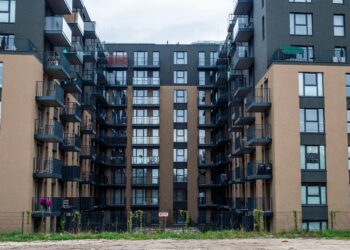
Residential homes often feature steep slopes to shed snow and debris efficiently. On the other hand, many businesses prefer commercial flat roof systems to maximize usable space for HVAC units or solar panels. This design choice affects the overall profile of the building and dictates which materials will work best for the environment. Flat surfaces allow for easier installation of industrial equipment and rooftop gardens. These systems provide a practical solution for structures with large footprints. Sloped designs remain popular for traditional houses as they create a classic look that many buyers find appealing.
Future Trends in Curb Appeal
The way people view their homes is changing as new styles emerge. A recent look at exterior trends suggests that homeowners are starting to favor personal style and eco-friendly choices. This shift is expected to reach its peak around 2026 as people look for ways to boost their home’s presence. Staying ahead of these design changes can help owners maintain a modern look that stays relevant for years. Choosing colors that reflect personal taste rather than standard palettes is becoming a common practice for those wanting a unique home. Many people are moving away from plain neutrals to find shades that tell a story about the property.
Temperature Control and Energy Savings
Functionality is just as significant as beauty when it comes to roofing. Performance data on metal roofs suggests they can significantly lower interior heat levels. Research indicates that certain metal setups can drop attic temperatures by 40 degrees in the summer heat. This reduction in heat makes the living space more comfortable and lowers the strain on cooling systems. Selecting a roof with high thermal performance is a smart way to manage monthly bills. Homeowners who prioritize these features often see a high return on their investment through energy savings.
Maintenance Benefits of Smart Materials
Newer materials are getting smarter and more resilient to daily wear and tear. Technical articles on roof maintenance highlight new materials that include special additives to seal small scuffs or scratches when exposed to sunlight. These self-healing properties keep the roof looking new without constant manual repairs. This technology is particularly useful in areas with high sun exposure, where materials can become brittle. Avoiding frequent maintenance tasks saves money and time for the property owner. Modern systems are designed to last longer – with fewer interventions from repair crews.
Visual Customization Options
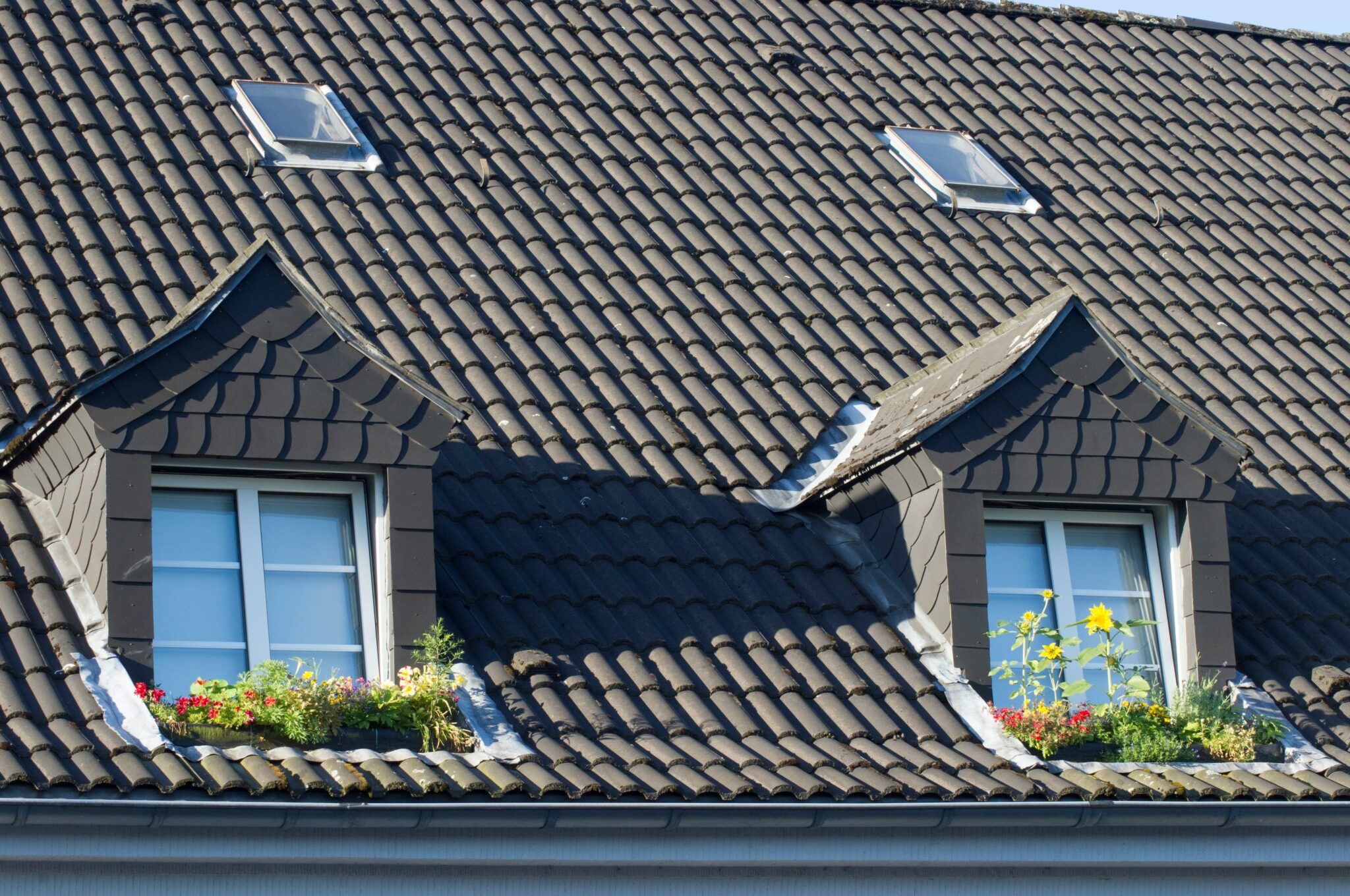
A roof takes up a large portion of the visible exterior of any building. Homeowners can choose from a wide variety of textures and tones to create a custom look. Using different materials can highlight specific architectural features like gables or dormers.
- Architectural shingles provide a layered look that adds depth to the roof.
- Metal panels offer a sleek and industrial feel for modern structures.
- Slate or wood mimics create a rustic charm without the high maintenance of natural products.
- Lighter colors can make a building appear larger and more open to the street.
These options allow for a high level of personalization. Owners can match their roof to the siding and trim for a cohesive appearance.
Balancing Cost and Performance
Selecting a roof design is a major decision that requires looking at the total cost of ownership. Some materials have a higher initial price but offer better durability over many decades. Standard shingles are affordable and easy to install for most residential projects. Higher-end options like metal or tile provide superior protection against harsh weather and fire. Evaluating local weather patterns helps in choosing the material that will perform best in specific climates. A roof that fits the local environment will stay functional and beautiful for a longer period. Builders often recommend checking the wind rating of a design before making a final purchase.
Selecting a roof is a long-term commitment to the health of a property. It is the first line of defense against the elements and the first thing people see from the street. Investing in a quality design pays off in both daily comfort and future resale value. A smart choice today protects the structure for decades to come. Making the right decision involves considering both the visual impact and the practical needs of the building. A great roof offers peace of mind for the owners and a beautiful view for the community.