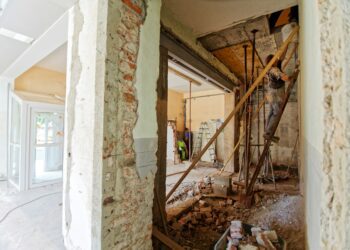
Photo by Depositphotos
Toronto’s population grew to an estimated 3.32 million in 2025, adding roughly 48,000 residents per year. Yet new condo construction has moved in the opposite direction: housing starts across the city fell 31% year over year, with condo starts alone dropping 60% in the first half of 2025, according to CMHC data. That widening gap between demand and supply is precisely why disciplined investors continue to look at pre-construction condos as a wealth-building vehicle, one that rewards those who understand everything from deposit structuring to closing on a pre-construction unit.
Why Pre-Construction Appeals to Wealth-Minded Investors
The financial mechanics of a pre-construction purchase differ from those of a resale transaction in ways that favor patient capital. Buyers typically pay 15% to 20% of the purchase price in deposits spread across the construction period, which can span three to five years. That staggered structure allows investors to control an appreciating asset while deploying less capital upfront than a conventional purchase would require.
New-build condition also reduces near-term maintenance exposure. Tarion, Ontario’s new home warranty administrator, provides warranty coverage on structural defects for up to seven years, giving investors a buffer that resale properties do not offer. When the average GTA condo sold for $652,945 in Q4 2025 according to TRREB, even modest annual appreciation compounding over a multi-year build timeline can generate meaningful equity before the investor takes possession.
The Critical Steps Between Purchase and Rental Income
Buying a pre-construction condo is not a single transaction. It unfolds across several stages, each carrying its own financial and legal considerations that serious investors should evaluate carefully.
The first milestone after construction wraps is the interim occupancy period. During this phase, the unit is livable but the condominium corporation has not yet registered. Under the Ontario Condominium Act, Section 80(4), developers can only charge fees covering estimated property taxes, projected common maintenance expenses, and interest on the unpaid purchase balance. They are prohibited from profiting on these fees.
Before interim occupancy begins, the buyer walks through the unit during a PDI (pre-delivery inspection) to document any construction deficiencies that the developer must resolve under Ontario’s Tarion warranty. This step is critical for protecting long-term asset value. An Ontario Auditor General report found that builders failed to honor their warranties in approximately two-thirds of dispute decisions reviewed, reinforcing why a thorough inspection at this stage matters.
Once the condominium registers and the buyer completes final closing, title transfers and the unit becomes a fully owned asset ready for the rental market.
Turning a New Condo Into a Cash-Flowing Asset
Ownership is only half the equation. Converting a new condo into reliable rental income depends on tenant placement and ongoing management, two areas where the wrong approach can erode returns quickly.
Tenant screening is the single most consequential step. A rigorous vetting process that evaluates credit history, employment stability, and rental references protects investors from costly vacancies and legal disputes. The best rated property management firms in the GTA maintain low eviction rates precisely because they invest heavily in screening before a lease is ever signed, not after problems surface.
For investors who have spent years waiting for a pre-construction condo to complete, pairing that asset with a management team that treats it with the same discipline is what separates a performing investment from an expensive holding. Look for firms where the majority of new business comes through client referrals; that metric says more about service quality than any award or marketing claim.
Managing Risk in Pre-Construction Investment
Pre-construction investing carries risks that resale purchases do not. Construction delays can push occupancy timelines by months or even years, extending the period before rental income begins. Closing costs, including land transfer taxes and development charges, can surprise buyers who budgeted only for the deposit schedule. Interest rate shifts between purchase and closing can alter carrying cost projections significantly, a factor any thorough risk assessment should account for.
Insurance is another layer that investors, particularly non-residents, must address before tenants move in. Landlord insurance for a condo unit differs from standard homeowner coverage and should include rental liability coverage. You may also want to consider rent guarantees to include (loss of rental income and paralegal fees).
Choosing a property management partner with verifiable credentials reduces operational risk across all of these dimensions. The right firm will have direct experience with GTA condo investors specifically, handling everything from interim occupancy logistics to tenant relations and regulatory compliance.
A Market That Rewards Discipline
Toronto’s demographic trajectory points in one direction. The city is projected to reach 3.37 million residents by 2026, and the current contraction in new supply means fewer units will be available to absorb that growth. For investors willing to manage each stage of the pre-construction process with care, from deposit structuring through PDI and tenant placement, the asset class continues to offer a credible path to long-term wealth.
For investors willing to approach each stage with the same discipline they apply to any other asset class, the Toronto pre-construction pipeline continues to reward patience and preparation.