Smart entry systems are now standard in modern apartment buildings. Many residents rely on them for safety and convenience. These systems work well when they are properly maintained. Problems arise when they fail, which is why holding property owners accountable for security failures has become increasingly important.
The Growing Dependence on Digital Access
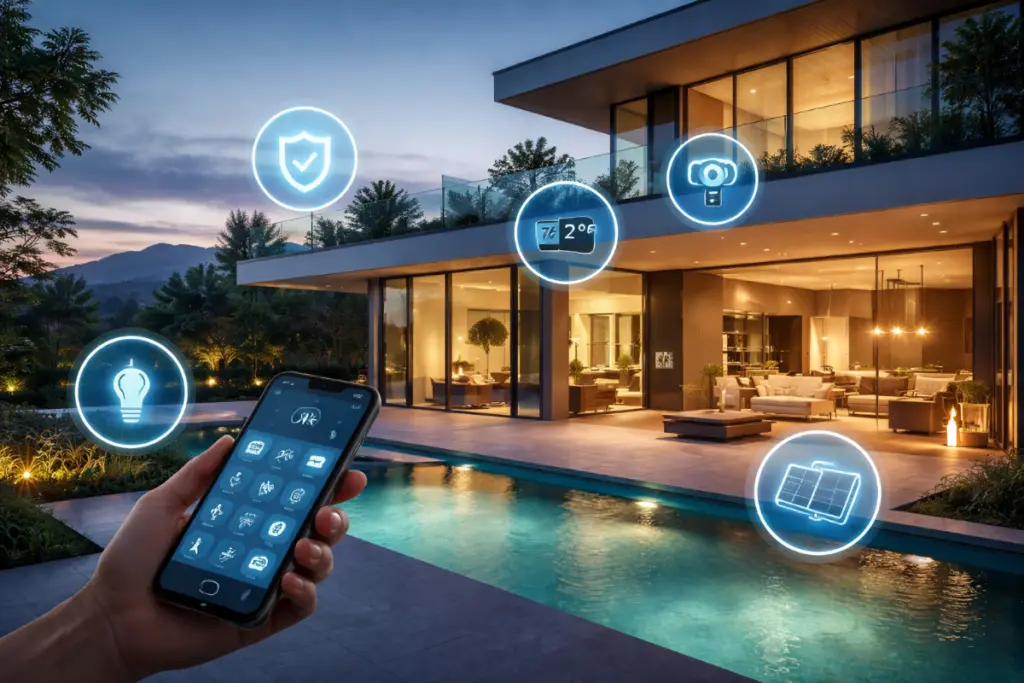
Apartment complexes often choose smart entry systems because they appear to offer higher security. These systems allow residents to unlock doors with smartphones, key fobs, or digital codes. They also help property managers track access more easily.
As buildings become more advanced, residents trust these tools to keep unwanted visitors out. They assume the technology will function reliably every day. That expectation becomes a serious concern when the system breaks down.
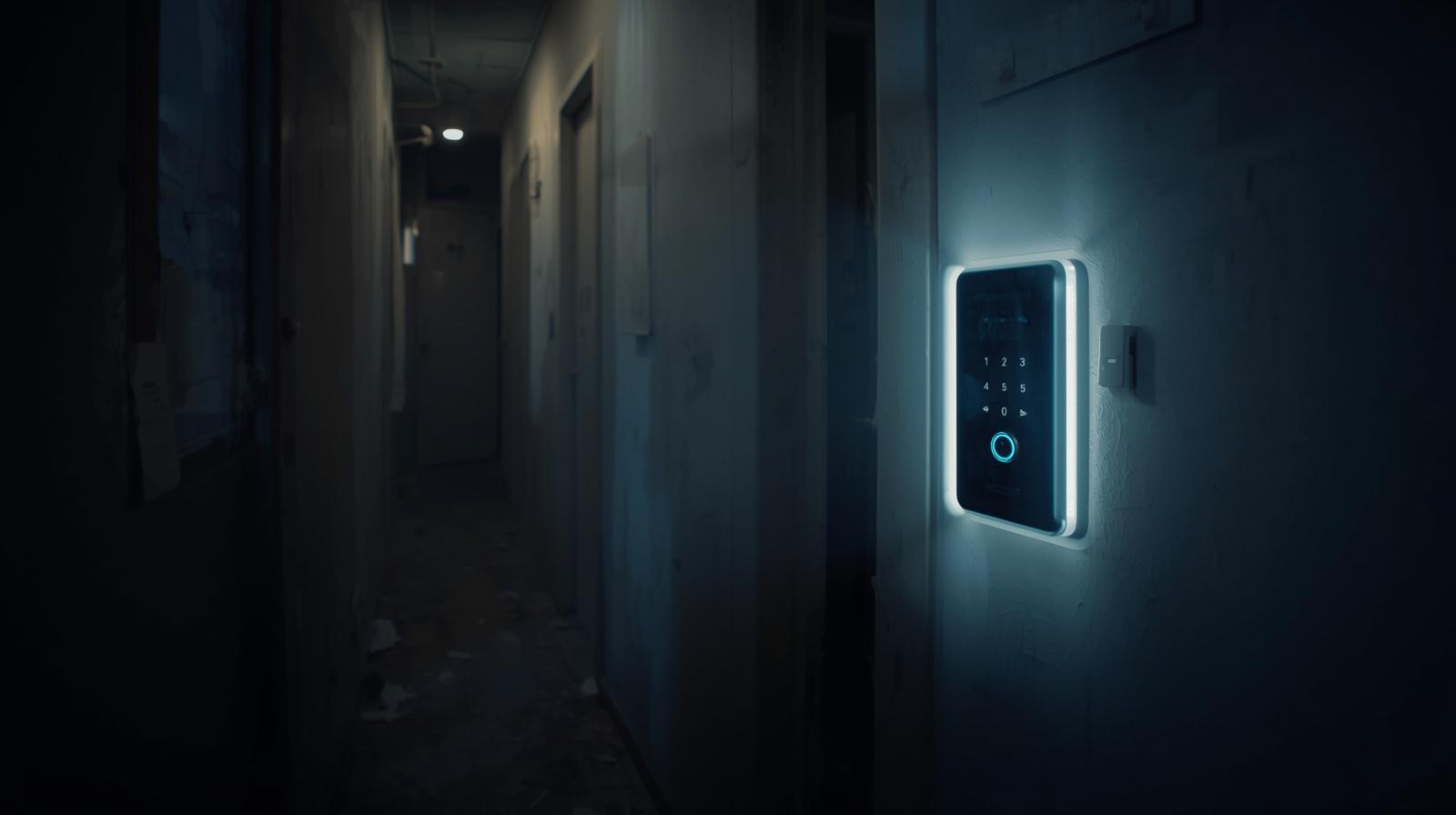
When a digital lock fails, the entire building becomes vulnerable. Even a short outage can expose residents to risks. This is why maintenance is essential for long-term safety.
How Malfunctions Create Immediate Vulnerabilities
Smart entry systems depend on software and electronic components. A small glitch can cause the system to behave unpredictably. Residents may find themselves unable to enter the building or, even worse, unable to secure shared spaces.
Some malfunctions leave doors unlocked without warning. Others prevent the system from logging entry attempts. These issues remove essential layers of protection.
When this happens, unauthorized individuals may enter the building unnoticed. This poses a serious threat to residents who expect their homes to be safe places.
Issues With Outdated Technology
Many apartment buildings use older smart entry systems that have not been updated in years. These outdated systems may have known vulnerabilities. Manufacturers often release patches to fix security flaws, but property owners must install them.
If updates are ignored, hackers may exploit the weaknesses. Even someone with limited technical skills can bypass old digital locks. This increases the chance of break-ins and other incidents.
Residents rarely know when updates were last installed. They trust their building to handle this responsibility. Without proper oversight, that trust can be misplaced.
The Impact of Poor Internet Connectivity
Most smart systems rely on stable internet connections. When the building’s network is weak or down, the system may stop working. Doors may remain open or locked at the wrong times.
This creates confusion for residents who depend on digital access. They may find themselves stuck outside or unable to lock common areas.
These disruptions also affect other security features tied to the system, such as cameras or alarms. One technical issue can create a chain reaction that weakens the entire building’s safety.
The Problem of Shared Access Codes
Some buildings use shared entry codes for delivery workers or visitors. If these codes are not changed regularly, they can circulate widely. Former tenants, contractors, or strangers may still have access long after they should.
This becomes a significant risk when maintenance is neglected. Property owners may forget to update codes after staff changes or renovations.
Residents may assume their building uses updated codes when, in reality, many people outside the community still know the older ones. This creates opportunities for unnoticed intrusions.
Overreliance on Technology Without Backup Options
Smart entry systems are helpful, but they should not be the only method of securing a building. Some complexes eliminate traditional keys. When the digital system fails, residents have no other way to enter or secure their units.
A power outage or server issue can leave entire buildings stuck. Residents may feel unsafe knowing that the system could fail again.
Backup options are necessary to maintain trust. Without them, a single malfunction can put everyone at risk.
Inadequate Maintenance and Lack of Inspections
Regular inspections are essential for keeping smart entry systems functional. Many property owners overlook this responsibility. They may wait until residents complain before fixing problems.
This reactive approach increases danger. A system that goes unchecked may have minor issues that quickly escalate into major failures.
Proactive maintenance helps prevent emergencies. It also gives residents peace of mind. Proper care shows that the building values its safety.
Legal and Safety Implications
Poorly maintained smart entry systems raise serious safety concerns. When preventable failures occur, residents may face real harm. This includes theft, unauthorized entry, and physical danger.
Property owners are responsible for keeping these systems functional. Neglect can lead to legal consequences when residents are harmed. Understanding these risks helps residents advocate for better maintenance. It also encourages property owners to prioritize safety.
Final Thoughts
Smart entry systems offer convenience, but they require ongoing care. When maintenance is ignored, safety quickly breaks down. Residents should not have to worry about preventable security issues. This is why holding property owners accountable for security failures remains essential in modern apartment living.