Something is fascinating about watching pool water shift from turquoise to deep blue to lagoon green. Color plays with light in a way that can make the same pool feel bright and playful or calm and private. People often talk about shape and landscaping when planning a pool, but the shade of the interior finish has an effect you notice every time you look outside. It also has an effect you literally feel when swimming, because darker colors absorb heat while lighter tones reflect it. Color becomes not just an aesthetic choice, but a temperature decision too. If you are choosing a finish for a new build or considering a resurfacing project, it helps to know how powerful this one choice can be.
How Light and Water Work Together
Pool water does not have much color on its own. What we see is sunlight bouncing off the surface and reflecting the material below. A pale interior makes the water appear crystal clear and almost icy. A darker finish pulls light downward so the surface reads richer and more dimensional.
As light hits the water, short wavelengths such as blues and greens scatter more easily. This is why cool-toned pools are so common. Even a light gray interior will lean blue once filled. When browsing samples, remember that a color chip looks stronger when dry. Water softens and deepens the tone, sometimes by several shades. Many homeowners are surprised when their pool looks darker than expected, so it is worth viewing real backyard examples if you can.
Temperature Shifts You Can Feel
Color affects more than appearance. A dark finish absorbs heat from the sun and holds it during the day. This can raise water temperature by a few degrees, sometimes enough to skip the heater on warm afternoons. In cooler climates, that effect feels like an advantage. Swimmers who love an extended season appreciate the way navy or graphite plaster can take the edge off spring and fall water.
Lighter finishes flip that reaction. White, cream and pale blues reflect more sunlight than they hold. This keeps the water feeling refreshing even when the sun sits high and strong. A pool in Arizona or Florida may stay more comfortable in peak summer with a
bright interior. It is interesting how the same color that feels chilly in northern states can feel perfect in a heat-heavy region.
How Color Shapes Mood and Style
Most people experience color emotionally before they understand it logically. Soft blue water hints at vacation resorts and long afternoons with nothing urgent to do. Deep teal feels tropical, almost mysterious, especially with palm shadows across the surface. Black-bottom pools create drama, like a natural spring or modern spa. On overcast days, the surface becomes reflective and moody. At night, it reads even darker, which makes the surrounding lighting glow.
Choosing a finish becomes a conversation about how you want the space to make you feel. Families often go with sky blue because it looks clean and bright and works with most home styles. People designing a sleek outdoor space lean toward charcoal or dark green because it feels bold. Neither is objectively better. It is more about the environment you want to create and how that color behaves through morning sun, afternoon heat and evening light.
Water Depth and Color Strength
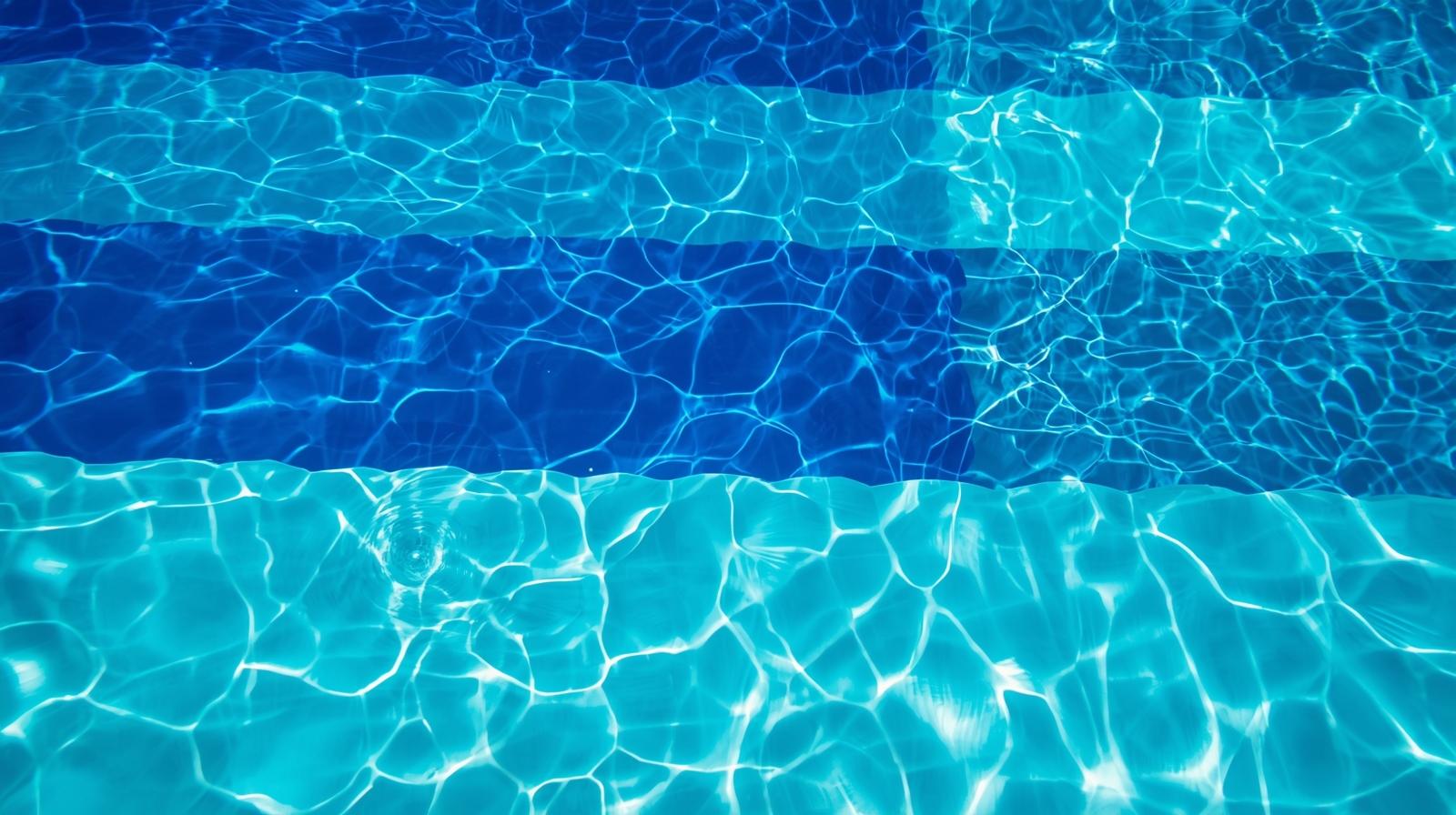
Two pools with the same plaster can look different depending on depth. Shallow ledges and tanning shelves show color more directly. The bottom may appear lighter because sunlight passes through less water before reflecting. Deep ends often look richer and cooler in tone. This layered effect adds movement and personality. It can even make the pool look larger, since the eye reads depth through gradients of color.
This is why sample tiles only tell part of the story. A single shade behaves differently across a multi-depth design. When builders show photo portfolios, pay attention to how benches, sunshelves and deeper basins vary. Watching the water shift from pale blue near the steps to deep sapphire further in has a calming quality. It also helps you visualize the final experience instead of the sample alone.
Balancing Beauty with Practical Comfort
Color selection becomes easier when you think beyond appearance. Ask yourself how warm you like water. Some swimmers prefer crisp, cool dips. Others enjoy a more bath-like feel. Think about climate too. A pool in a shaded yard may benefit from a
darker interior because sunlight is already limited. A pool in full sun might need a lighter shade so the water stays pleasant.
Then there is maintenance. Dark finishes show debris less easily, so leaves and dirt are not as noticeable between cleanings. Light finishes reveal every speck, which helps owners catch issues quickly. One is not easier to maintain. They simply highlight different things. Both can look stunning when well cared for, and both can feel uninviting when neglected.
Bringing It All Together
Color is one of those decisions that sticks with the pool for years. It shapes the mood of the yard, the comfort of the water and the way the surface interacts with sunlight. A shade that feels right on paper may look or perform differently once filled. Taking time to consider temperature preferences, climate and emotional tone helps you land on a finish you will love in every season.
A pool is more than water and concrete. It becomes part of the daily rhythm of life, a place where eyes and skin notice the little things. When color and temperature work together, the whole space feels intentional. If you are looking for help with pool construction in Charleston, there are contractors who can help. Choosing the right tone is one of the most rewarding steps in that process, and the results shimmer long after construction ends.