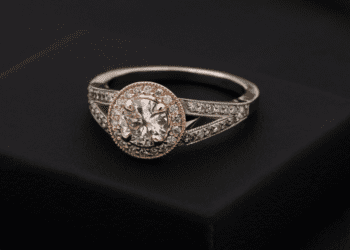
Lab diamonds have been gaining consumer interest in recent years, especially among those looking for an alternative to traditionally mined stones. Buyers who understand how one option compares to the other are often in a better position to make informed buying decisions based on their needs. As technology progresses and new gems appear on the market, the distinction between lab-grown and natural gems is more important than ever for jewelry enthusiasts.
Origin and Formation
Natural diamonds are formed deep within the earth under immense pressure and heat over millions of years. In contrast, lab diamonds are produced in custom facilities by employing modern technologies that recreate these natural conditions. Both processes yield crystallographically identical crystals, but they do have distinctly different origins.
Physical Characteristics
In terms of appearance, both types of stones are, in fact, equally brilliant, sparkly, and clear to the eye. It can take professionals with years of training to tell the difference, and even then, they sometimes need special equipment to do so. Like all diamonds, stones from either source may contain particular inclusions or blemishes that affect the stone’s quality and beauty.
Chemical Composition
Lab-created and mined diamonds have the same chemical composition, consisting of all carbon atoms in a certain arrangement. This similarity ensures that both types have the same hardness and strength. This makes both options the hardest gemstones on the Mohs scale.
Environmental Impact
Natural diamond mining requires tons of soil to be removed from the ground, which can disturb habitats and sea floors and consume a lot of energy. In many cases, lab-created stones consume less energy and produce fewer emissions because they’re produced in controlled settings. This is something that helps those who are conscious of the environment and want to leave a lower carbon footprint when making purchases.
Ethical Considerations
The perception of natural diamonds in the market has been affected by mining-related issues such as labor rights and financing violence. The synthetic options are also more transparent and easier to trace, which makes many consumers appreciate them. Lab-grown stones feature an unambiguous pedigree, which can reassure some shoppers about their ethical purchase.
Market Value and Pricing
Natural diamonds are usually more expensive because they are rare and have been considered classic gemstones. Another advantage is that lab-grown diamonds are usually more affordable and can offer similar beauty at a lower price. As a result, more individuals can access more substantial or superior-quality diamonds while remaining within budget.
Longevity and Wear
Both variants are hard and scratch-resistant, making them an ideal choice for everyday wear. With the right care, jewelry pieces can survive for generations. For owners, both types have been shown to hold their brilliance and integrity over the years.
Certification and Grading
Color, clarity, and cut grading reports are provided for both lab-grown and natural diamonds from independent laboratories. These certificates are verified documents that are incredibly helpful for buyers who want to compare stones impartially and make the right purchasing decisions. Other than that, reliable documentation instills a sense of faith in the quality and authenticity of every gem.
Resale and Investment Potential
Natural diamonds are scarce and thus have had a strong resale history. Although synthetic stones have become popular, they might not have the same potential for long-term value growth. That is why buyers whose main interest is in resale or passing jewelry down to the next generation may choose traditional gems.
Consumer Preferences
The choice between lab-created and mined diamonds is frequently a reflection of personal values. Environmental responsibility or ethical sourcing is more important for some shoppers, while others prefer tradition and scarcity. A purchase based on the individual’s needs helps ensure a satisfying purchase.
Wrapping Up
Both lab-grown and natural diamonds are identical in appearance, structure, and strength. The differences are mainly in the origin, footprint, moral issues, and price. As technology advances, lab-grown stones have become an interesting alternative for buyers. Based on individual priorities, buyers can choose and purchase jewelry that not only aligns with values but also complements their lifestyle as well. For today’s thoughtful consumer, selecting the appropriate diamond is easier than ever.