HVAC is one of the indispensable requirements of all of us in our homes or our businesses. If either of these systems fails, it can cause considerable discomfort and increase your energy costs. Want to save time and money? In this post, we will learn about how HVAC professionals diagnose problems using specialized techniques and tools to enhance their efficiency.
Understanding HVAC Systems
The HVAC system comprises various components, including the compressor, condenser, evaporator, and others. Each section has a specific function in controlling the temperature and airflow. If any part of this system malfunctions, it will eventually pull down the entire system. Technicians, such as those offering services in HVAC in St. Charles, rely on their knowledge of these components to provide an accurate diagnosis. With correct training, they can quickly determine the most effective solution for a problem.
Using Diagnostic Tools
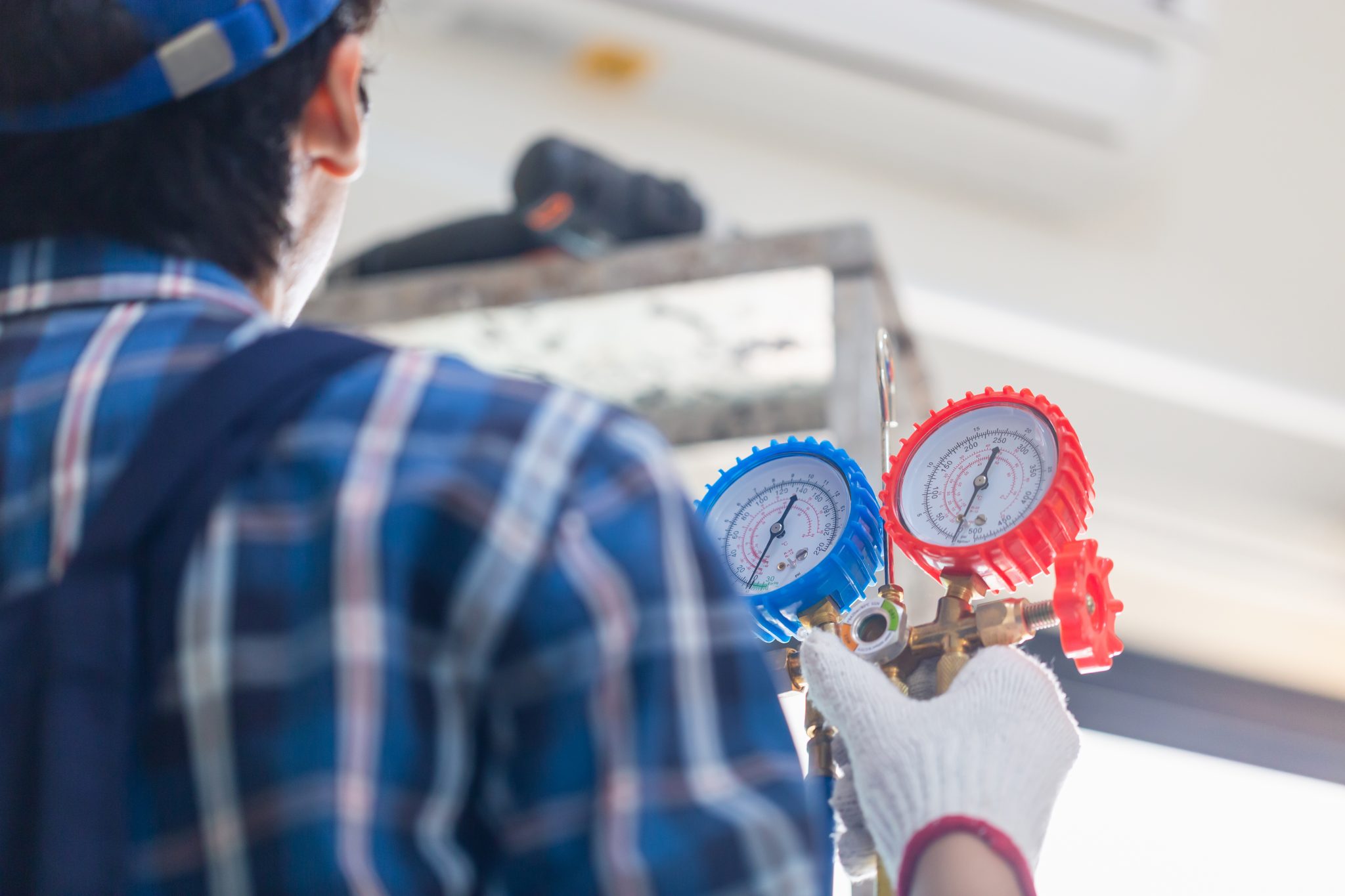
HVAC technicians utilize a range of tools to evaluate HVAC systems. A multimeter is an instrument used to measure voltage, current, and resistance. It also helps in locating electrical problems. Thermometers measure temperature differences, and pressure gauges assess refrigerant levels. Many of these tools generate more valuable data, which makes it easier to identify problems. The use of appropriate equipment guarantees a rapid and accurate diagnosis.
Listening and Observing
A seasoned technician will often listen to the system first to identify any issues. Irregular sounds, such as rattles and hissing, can specify specific issues. Watching how the system runs also gives insight. One example of this is if the cooling is not even, which could indicate a blockage. By using their senses, technicians can gather clues even before conducting detailed tests, which saves a significant amount of time in diagnosing the problem.
Checking Airflow and Filters
Airflow problems are even more rampant in HVAC systems. Obstructed duct filters, occluded vents, and similar issues will reduce efficiency and stress the system. Technicians check these components at the start of the diagnosis process. To clean it up is very simple, and replacing it can resolve many issues. Good system performance and a longer life span are ensured with a proper flow.
Inspecting Electrical Components
Defective electrical parts can lead to HVAC failures. Technicians inspect wiring, capacitors, and connections to ensure they are functioning correctly. Shorts or outages can occur when the wires are bent too far or damaged in some other way. Through examining these components, technicians can pinpoint and resolve electrical problems to get the system back up and running as it should.
Evaluating Refrigerant Levels
HVAC systems require refrigerant in the process of cooling. If the refrigerant levels are too low, it can mean that there will be insufficient cooling, resulting in wasted energy. Using various pressure gauges, technicians verify that the refrigerant is within the specified range. Should levels be low, they’ll check for leaks and recharge the system, thereby restoring efficiency.
Temperature and Humidity Checks
HVAC performance highly depends on temperature and humidity. To ensure the system provides a comfortable environment, technicians measure these factors. Discrepancies may signal problems such as incorrect calibration or faulty sensors. Solving these issues enables technicians to ensure the system runs efficiently, providing you with reliable comfort.
Analyzing System Controls
HVAC operations are also regulated with system controls, such as thermostats and timers. Failure of these controls can cause erratic system behavior. Technicians inspect these components to check the functionality. Calibrating or replacing the faulty controls can alleviate the problem, thereby enabling the system to function normally and maintain the desired temperatures.
Performing Routine Maintenance
You need to have timely maintenance to avoid HVAC issues. Maintenance records are one of the first places technicians look to begin diagnoses. It takes a little preventive trouble to avoid major problems later. Through effective troubleshooting and careful system maintenance, technicians minimize the likelihood of sudden breakdowns, allowing the equipment to operate correctly for an extended period.
Communicating With Clients
Communication with clients is essential. Technicians are clear about the issues they identify and the solutions they propose to clients. Educating clients on maintenance and potential risks helps build trust and encourages them to take proactive steps to care. It allows your clients to make an informed decision on repairs and maintenance.
Conclusion
A great deal of this depends on knowledge and tools, as well as effective communication, but it can be effective in diagnosing HVAC system problems. Sites employ technicians who utilize their expertise and specialized tools to detect and repair faults on-site. Clients can see the value of the service when they understand the processes. HVAC systems deliver the same comfort and efficiency when they receive regular maintenance and when prompt repairs are made.