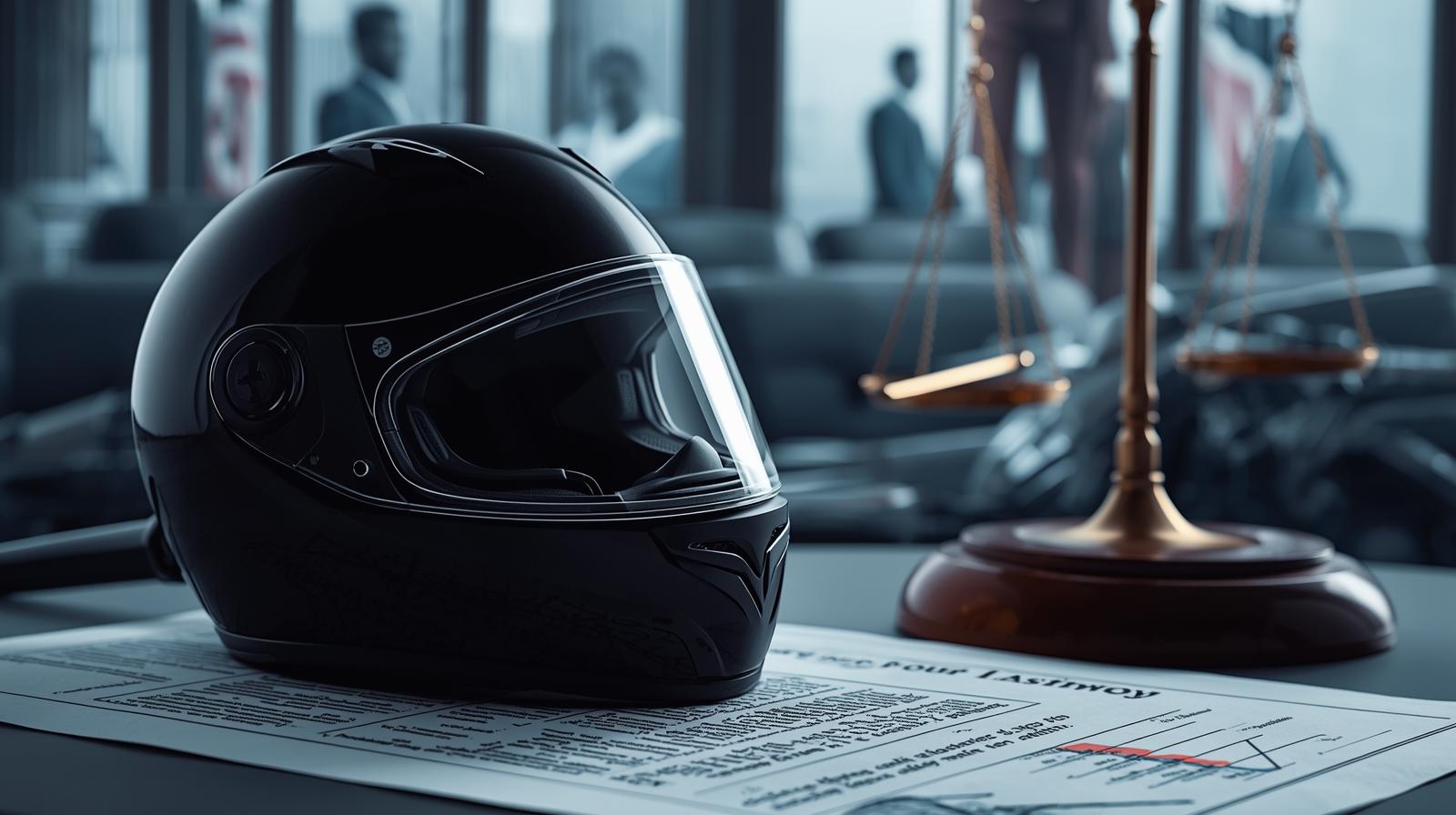
Understanding liability is one of the most challenging parts of any motorcycle crash claim. Riders often face disputed facts, limited physical evidence, and assumptions about how the collision occurred. When pursuing legal options following a motorcycle wreck, expert testimony becomes essential because it transforms uncertain details into clear, structured findings that support an accurate understanding of responsibility.
Determining who caused the collision is the foundation of any claim. Without credible technical interpretation, even strong cases can appear unclear. Expert testimony gives attorneys a reliable framework for demonstrating how the crash occurred and why a particular party is responsible. This clarity helps victims understand their legal options following a motorcycle wreck while strengthening every phase of the claim.
A More Precise Look at How Experts Establish Liability
The primary purpose of expert testimony in motorcycle cases is not to describe the entire scope of damages or highlight emotional impacts. Instead, it plays a specific and vital role in establishing liability. This requires analyzing physical evidence, crash dynamics, mechanical components, and environmental factors with a level of detail that typical accident reports cannot provide.
Accident reconstruction specialists are central to this process. They examine the position of vehicles, the angle of impact, roadway markings, and the behavior of both the motorcycle and the other vehicle prior to the collision. Their findings reveal how the crash began, whether either party attempted to avoid it, and which actions created the hazardous situation. This is particularly valuable when witnesses disagree or when the opposing party tries to shift blame onto the rider.
Biomechanical experts provide another layer of clarity by explaining how the forces of the crash affected the rider. Their insight can verify whether an injury aligns with the described mechanics of the collision, which supports or challenges statements made by the other party. If a driver claims the rider struck their vehicle in a particular way, biomechanical testimony can confirm whether that version is physically consistent.
How Expert Testimony Strengthens the Accuracy of the Legal Strategy
When liability is unclear, insurers take advantage of the ambiguity. Expert testimony limits their ability to reinterpret evidence in a way that weakens the claim. Attorneys rely on expert findings to shape a focused strategy that underscores responsibility with measurable, documented facts rather than subjective impressions.
This evidence-based approach allows legal teams to identify the strongest liability arguments early and anticipate defenses. For example, if the opposing party alleges the rider was speeding, an expert can analyze skid marks, damage patterns, and momentum to determine whether that claim is accurate. If it is not, the testimony directly undermines an argument that could reduce compensation.
By narrowing the scope of the case to clear, well-supported facts, attorneys can present liability findings that are easier for judges, mediators, and insurance adjusters to understand. This precision ensures that the case cannot be dismissed as a matter of opinion or guesswork.
Why Focusing on Liability Creates Better Outcomes for Riders
Liability is the cornerstone of compensation in motorcycle cases. Without strong proof of who caused the crash, even severe injuries may not result in adequate recovery. Expert testimony provides a structured explanation of how the event unfolded so decision makers can see the sequence of errors that led to the collision.
This clarity also prevents insurers from using common misconceptions about motorcyclists to undermine the claim. When an expert walks through the exact movements and mechanical responses involved, it becomes more difficult for an opposing party to rely on assumptions that suggest the rider acted recklessly.
The more precise the liability picture becomes, the more effectively attorneys can pursue financial recovery for injuries, property damage, and long-term needs. Although expert testimony supports many parts of a motorcycle case, its role in defining liability is the most decisive.
Final Thoughts
Expert testimony strengthens motorcycle crash cases by providing a clear, technical understanding of liability. Instead of relying on incomplete police reports or conflicting witness statements, attorneys use expert findings to show how the collision occurred and why the responsible party should be held accountable. This focused use of evidence creates a stronger path toward fair compensation and allows injured riders to move forward with confidence in the accuracy of their case.