While many drivers view car insurance as a fixed monthly cost, the reality is that your daily habits behind the wheel directly affect the rates you pay. Every time you get behind the wheel, the decisions you make—whether it’s the length of your commute or your level of caution on the road—send a message to insurers about your risk profile. These habits extend beyond influence over your vehicle’s maintenance and depreciation; they play a crucial role in determining how much you pay for personal auto insurance. Understanding how common driving patterns affect your premiums is vital for any driver wishing to manage costs and avoid unwelcome rate hikes, especially as insurers refine their pricing models using advanced analytics.
Insurers are increasingly looking beyond just your vehicle’s make, model, and where you live. More nuanced data sets now factor in how many miles you drive, the times of day you’re on the road, and which routes you routinely travel. These complex calculations are meant to more accurately predict accident risks and tailor rates accordingly. What this means for drivers is greater transparency about how personal behavior influences premiums—and, more importantly, more opportunities to take control over what you pay. The following sections break down exactly how your daily driving routines shape your car insurance rates, and offer guidance on proactive steps to achieve the best possible outcome.
Understanding Mileage and Its Impact
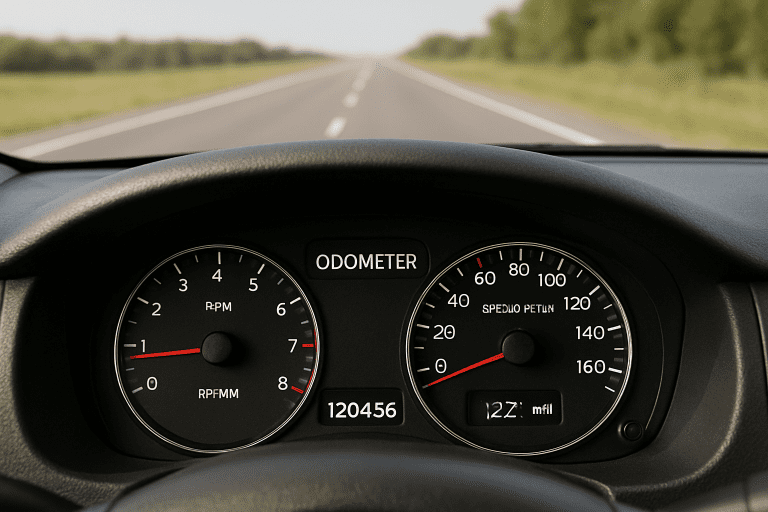
One of the most significant, yet often underestimated, determinants of insurance rates is your annual mileage. Insurance companies have established, through extensive data collection and actuarial studies, that there is a direct correlation between the number of miles a driver covers each year and their likelihood of being involved in an accident. The logic is straightforward: the more time you spend on the road, the greater your exposure to risks such as distracted drivers, hazardous weather, or wildlife. Notably, a jump in annual mileage from 5,000 to 20,000 miles can increase national average premiums by around 9%, but this figure fluctuates significantly by state.
Insurers analyze annual mileage because every extra mile traveled raises the statistical chance you’ll be in a collision or otherwise require a claim. This disproportionately affects drivers with lengthy commutes, rideshare drivers, or people who routinely use their cars for work-related tasks and errands. Even seemingly minor increases in mileage—for example, picking up a part-time delivery gig—can take you from a lower-risk category to a higher one in the eyes of your insurer. Thus, keeping your insurer updated about changes in your driving patterns is critical, as you might qualify for low-mileage discounts or avoid paying higher rates if your usage drops, such as after switching to remote work. Always review your policy details and speak directly with your insurer about your typical mileage if you believe your risk profile has changed.
Driving Behavior and Insurance Premiums
Beyond raw mileage, your specific driving behaviors and your history behind the wheel play a central role in determining what you pay for coverage. Insurers meticulously track infractions and accidents because they serve as concrete indicators of risk. Your driving record provides a detailed history of how you handle situations on the road—from obeying speed limits to responding appropriately in emergencies—and directly impacts how much you’ll be charged for insurance.
Speeding and Traffic Violations
Speeding tickets and other moving violations act as red flags to insurance companies. Multiple tickets within a short time can result in your being placed in a higher risk bracket, which leads directly to increased premiums, as insurers believe you’re more likely to cause an accident. Some companies may even refuse coverage or decline to renew your policy if violations persist. Maintaining a clean record by adhering to posted speed limits and traffic signals is not just about safety—it’s a proven way to manage insurance costs.
Accidents and Claims History
Each time you file a claim for an at-fault accident or report frequent losses, your risk profile rises. Insurers consider your past claims as predictors of future incidents, so a history of even minor fender-benders can add up, increasing your premiums year after year. Drivers with spotless or minimal claims histories, on the other hand, are often eligible for accident-free discounts and lower rates.
Driving Under the Influence (DUI)
A DUI conviction carries especially harsh consequences for drivers. Insurance companies may double or triple your premiums—or, in some cases, cancel your policy entirely following a DUI conviction. Even after completing legal penalties and any required programs, a DUI can haunt your rates for years. Some states even require drivers with DUIs to purchase special, more expensive forms of insurance, known as SR-22 coverage, putting further strain on your budget.
The Role of Telematics in Modern Insurance
Technological innovation is changing the face of car insurance. Increasingly, companies are adopting telematics or usage-based insurance models, which utilize in-vehicle devices or mobile apps to track real-time driving insights. These programs record information such as your speed, how hard you brake, how quickly you accelerate, and the times of day you drive. For example, frequent late-night trips—often linked to higher accident rates—can raise your risk level, while avoiding high-risk time frames may reduce it.
Participating in telematics programs can be particularly advantageous for safe, cautious drivers. Many insurers offer substantial discounts to policyholders who consistently demonstrate good habits, such as smooth braking, safe speeds, and predictable driving routines. Conversely, risky maneuvers—like rapid acceleration or harsh stops—can result in higher charges. These programs provide flexibility and give drivers greater influence over their own insurance outcomes, allowing good performance to be immediately rewarded, rather than waiting for years of spotless records.
Tips to Lower Your Insurance Premiums
Maintain a Clean Driving Record
Adopting safe and conscientious driving habits is the most effective way to maintain affordable insurance. Avoiding at-fault accidents, steering clear of traffic citations, and taking defensive driving courses all help limit your risk profile and qualify you for valuable safe-driver discounts. Remember, any violation or claim can increase your premiums for years, making defensive driving an investment with long-lasting benefits.
Limit Your Mileage
Reducing the miles you put on your car each year not only decreases the likelihood of an accident but can have a direct impact on your insurance costs. Simple changes—such as telecommuting when possible, ridesharing, carpooling, or substituting long trips with public transit—can dramatically lower your annual total. If your circumstances change, such as starting to work from home or retiring, always inform your insurer to ensure your rates are as low as your driving habits allow.
Participate in Telematics Programs
If you’re a safe driver, enrolling in a telematics program is a direct path to earning savings. By voluntarily sharing data, you can demonstrate lower risk and receive discounts tailored to your performance. Some programs even provide real-time feedback, helping you correct risky habits and further improve your standing.
Shop Around
The auto insurance market is highly competitive, so it pays to compare options regularly. You might find significant differences in rates for equivalent coverage—and some companies may offer unique discounts for low mileage, telematics participation, or bundled packages. Reviewing and quoting with multiple insurers annually ensures that you’re benefiting from the most competitive rates available.
Conclusion
Your car insurance premiums aren’t set in stone, nor are they solely based on your age, your vehicle’s value, or where you live. Today, they’re shaped daily by your individual driving patterns and behaviors. By understanding how mileage, driving habits, and technological factors like telematics affect your rates, you empower yourself to make smarter choices behind the wheel. Monitoring your annual mileage, demonstrating safe driving, embracing telematics, and consistently seeking out the best deals are all strategies that keep your personal auto insurance policy both effective and affordable. Small adjustments to your driving routine add up quickly, delivering meaningful savings and making the roads safer—and less costly—for everyone.