A salon’s website often serves as the first impression for potential clients. A clear, functional, and visually appealing design builds trust and communicates professionalism. A well-designed website helps salon owners attract more clients and increase bookings by showcasing services, simplifying appointment scheduling, and highlighting the brand’s unique style.
When the layout is easy to navigate and mobile-friendly, visitors can quickly find the information they need. Features like online booking, service menus, and high-quality images make it easier for clients to commit to an appointment. Consistent branding and clear calls-to-action guide visitors toward becoming paying customers. An effective salon website also supports marketing efforts by improving visibility in search results and integrating with social media. This creates more opportunities for engagement and ensures the business remains competitive in a crowded market.
Key Takeaways
- A professional, user-friendly website builds trust and drives bookings
- Clear design and functionality guide visitors toward taking action
- Online visibility and integration with marketing channels expand client reach
Core Elements of a Well-Designed Salon Website
A salon website should present information in a clear, accessible format while guiding visitors toward booking an appointment. Effective design combines visual appeal with practical features that support the client journey from discovery to confirmation.
Creating a Strong First Impression
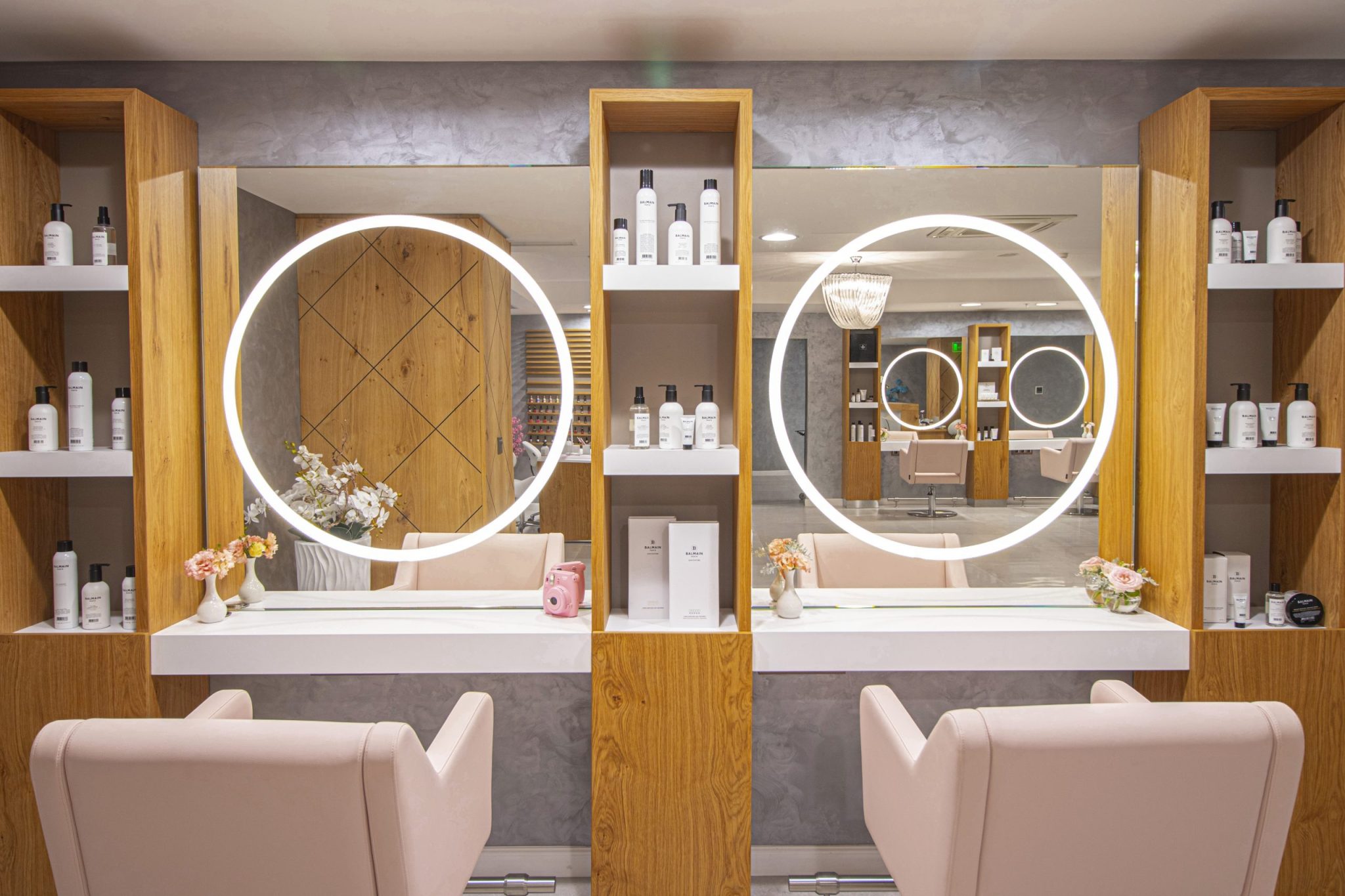
Visitors often decide within seconds whether to stay on a site. A clean, modern layout with balanced use of color, typography, and imagery can immediately convey professionalism. High-quality photos of the salon interior, staff, and client transformations help set expectations for the salon experience. Images should be optimized for fast loading to avoid losing impatient visitors.
Navigation must be simple and intuitive. Key pages such as Services, About, and Book Now should be visible in the main menu. A user-friendly salon website builder can help salon owners maintain a consistent design without advanced coding skills. Including a few authentic client testimonials on the homepage can reinforce trust. These should be concise, specific, and ideally include a first name or initials to add credibility.
Seamless Online Booking Integration
An online booking system reduces friction for clients and increases appointment conversions. It should allow visitors to view available time slots, select a stylist, and confirm instantly. Integration with mobile devices is essential. Many clients in the beauty industry book services on their phones, so the booking process must be responsive and easy to complete with minimal scrolling or typing.
Offering automated confirmation emails or text reminders helps reduce no-shows. This feature also improves the overall salon experience by keeping clients informed. Some salons display estimated service durations and prices directly in the booking interface. This transparency helps clients make informed decisions and reduces the need for back-and-forth communication.
Showcasing Salon Services and Expertise
A detailed services page should clearly list each treatment, its description, and price. Grouping services into categories such as Haircuts, Coloring, or Treatments makes browsing easier. Including before-and-after photos of client transformations can highlight skill and style consistency. These should be paired with short captions that describe the service performed.
Highlighting staff profiles with credentials, specialties, and years of experience builds trust. This is especially important for first-time visitors who want to know more about the people providing their salon services. Featuring selected client reviews in this section can further validate expertise. Reviews that mention specific services or stylists are more persuasive than generic praise.
Digital Marketing Strategies to Attract More Clients and Increase Bookings
A salon’s online presence can directly influence client acquisition and booking rates. Effective use of search optimization, social media engagement, and consistent branding helps potential clients find the business, trust its services, and take action to book an appointment.
Optimizing for SEO and Local Search
Search engine optimization (SEO) ensures that a salon appears in relevant search results when potential clients look for services. Local SEO is especially important for salons, as clients often choose businesses within a short distance. Creating and maintaining a Google My Business profile helps the salon show up in Google Maps and local search results. The profile should include accurate business listings, updated hours, service descriptions, and high-quality photos.
Using location-specific keywords such as “hair salon in [city]” in page titles, meta descriptions, and website copy can improve rankings. Adding structured data markup to the site can also help search engines display key business details in search previews. Positive customer reviews on Google and other platforms improve visibility and credibility. Encouraging satisfied clients to leave feedback after their appointment can enhance both ranking and trust.
Leveraging Social Media Platforms
Social media platforms allow salons to showcase services, promote offers, and connect with their target audience. Consistent posting on platforms like Instagram, Facebook, and TikTok helps maintain brand awareness. High-quality photos and short videos of haircuts, treatments, and client transformations can demonstrate expertise. Posting before-and-after images or quick styling tips can encourage engagement and shares.
Promotions such as flash sales, limited-time discounts, or loyalty program updates can be announced through posts and stories. Integrating an online booking link directly into social media profiles makes it easier for followers to book immediately. Collaborating with local influencers or hosting small workshops and events can expand reach to new audiences. Tracking engagement and conversion metrics provides data-driven insights to refine the salon’s marketing strategy
Conclusion
A well-structured salon website gives potential clients clear information about services, pricing, and booking options. This reduces uncertainty and encourages more people to schedule appointments. By ensuring the site is mobile-friendly, salon owners make it easier for customers to browse and book from any device. This convenience can directly influence booking volume. Consistent branding, professional imagery, and easy navigation help build trust. When visitors find the site visually appealing and simple to use, they are more likely to become repeat clients.