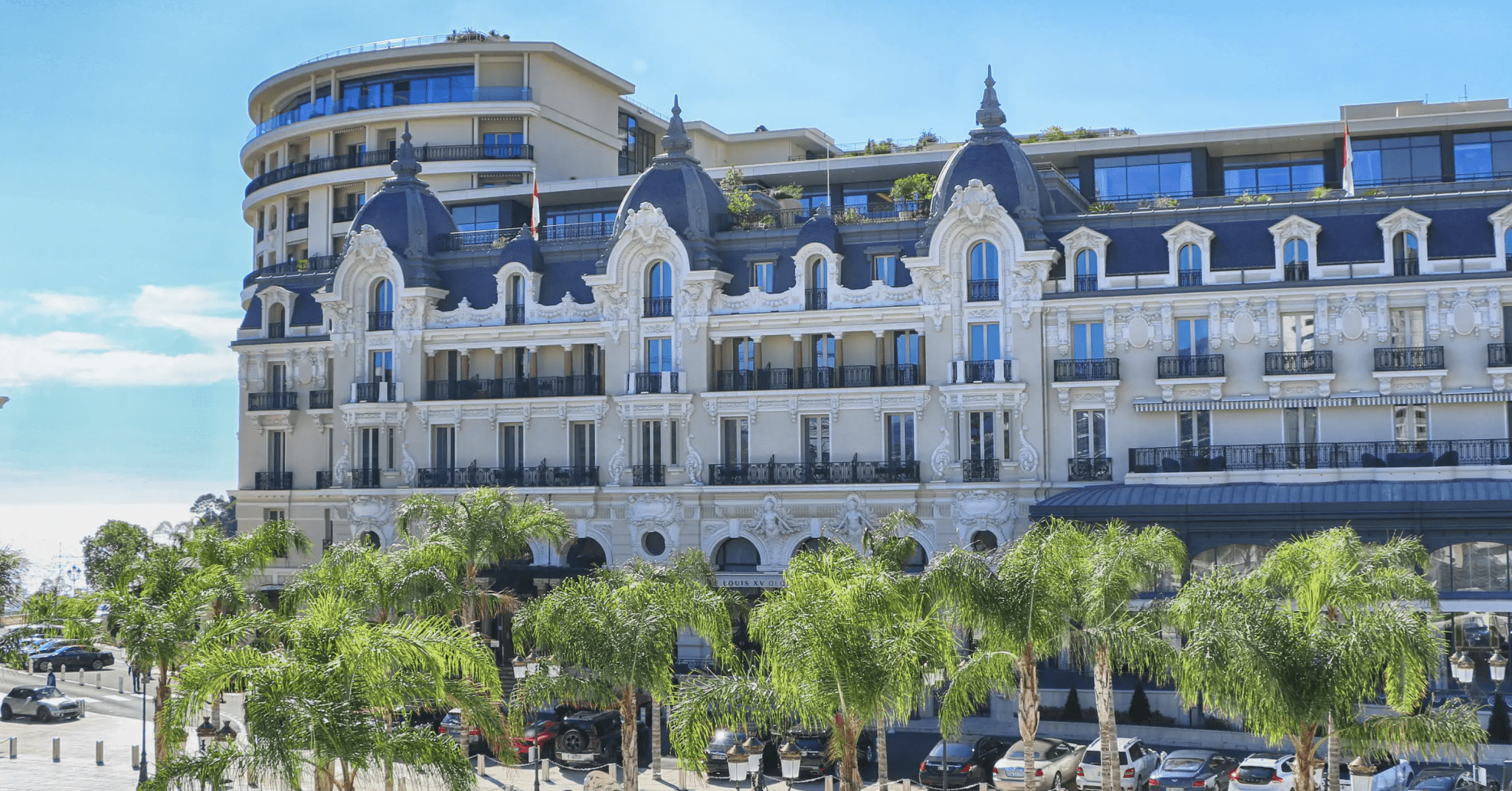
There are hotels that define a destination, and then there are hotels that define an era. The Hôtel de Paris Monte-Carlo, perched on Monaco’s Place du Casino with a quiet command that has lasted more than 160 years, belongs firmly in the latter category. This week, the property reaffirmed its place in the global luxury landscape, earning the No. 36 spot on The World’s 50 Best Hotels 2025 list, revealed during the annual ceremony in London.
For a palace that has hosted kings, artists, magnates, and travelers with a taste for Riviera luminosity, the accolade serves as a reminder that timelessness, delivered with precision, remains a powerful currency.
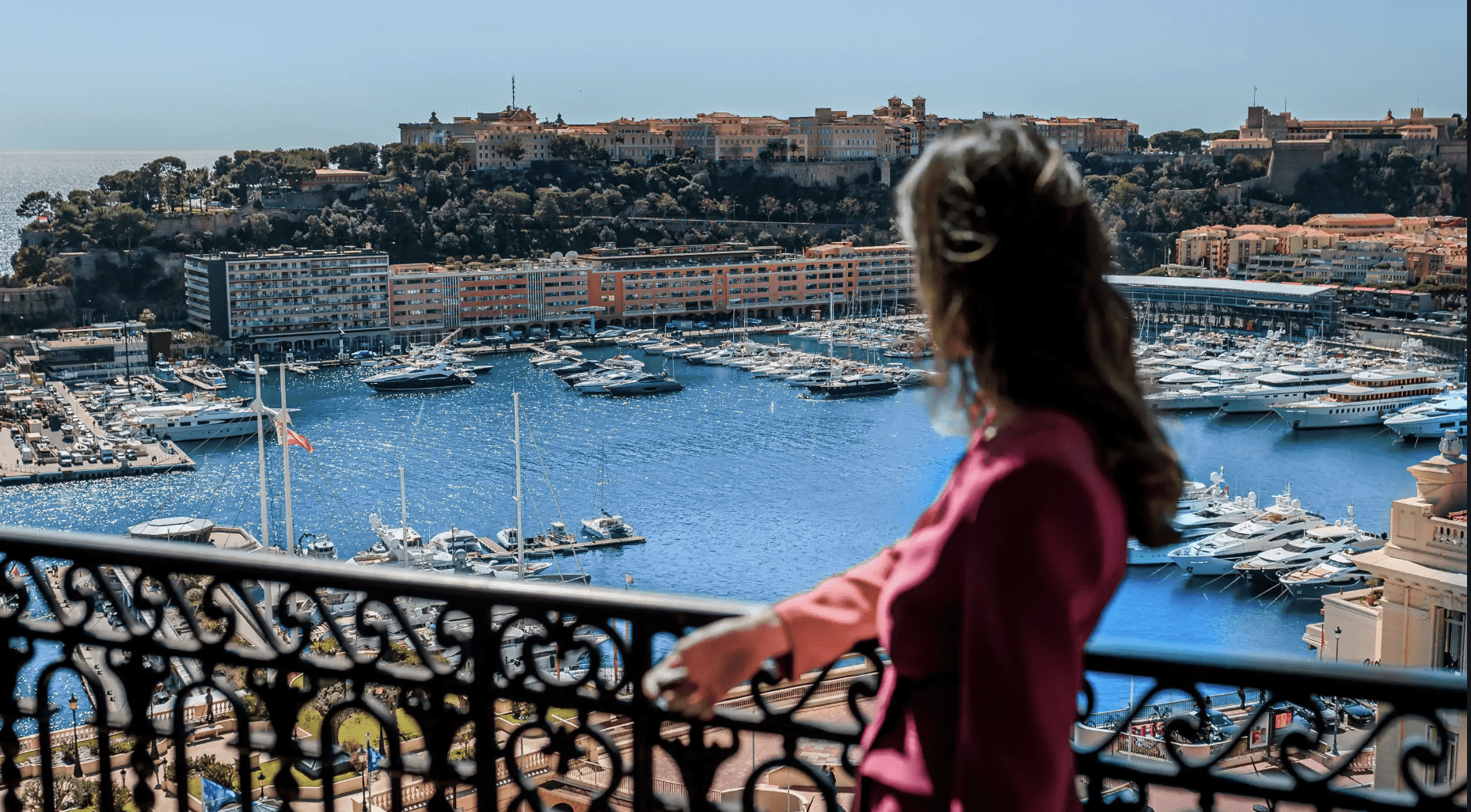
A Grande Dame Shaped by the Belle Époque and Reimagined for the Present
Built in 1864, the hotel has long symbolized the rise of Monte-Carlo as a playground for the world’s elite. Its Belle Époque façade, defined by sculpted stone and wrought iron, still sets the visual tone for the Principality.
A six-year renovation completed in 2020 redefined the interiors and introduced two of Europe’s most coveted suites:
-
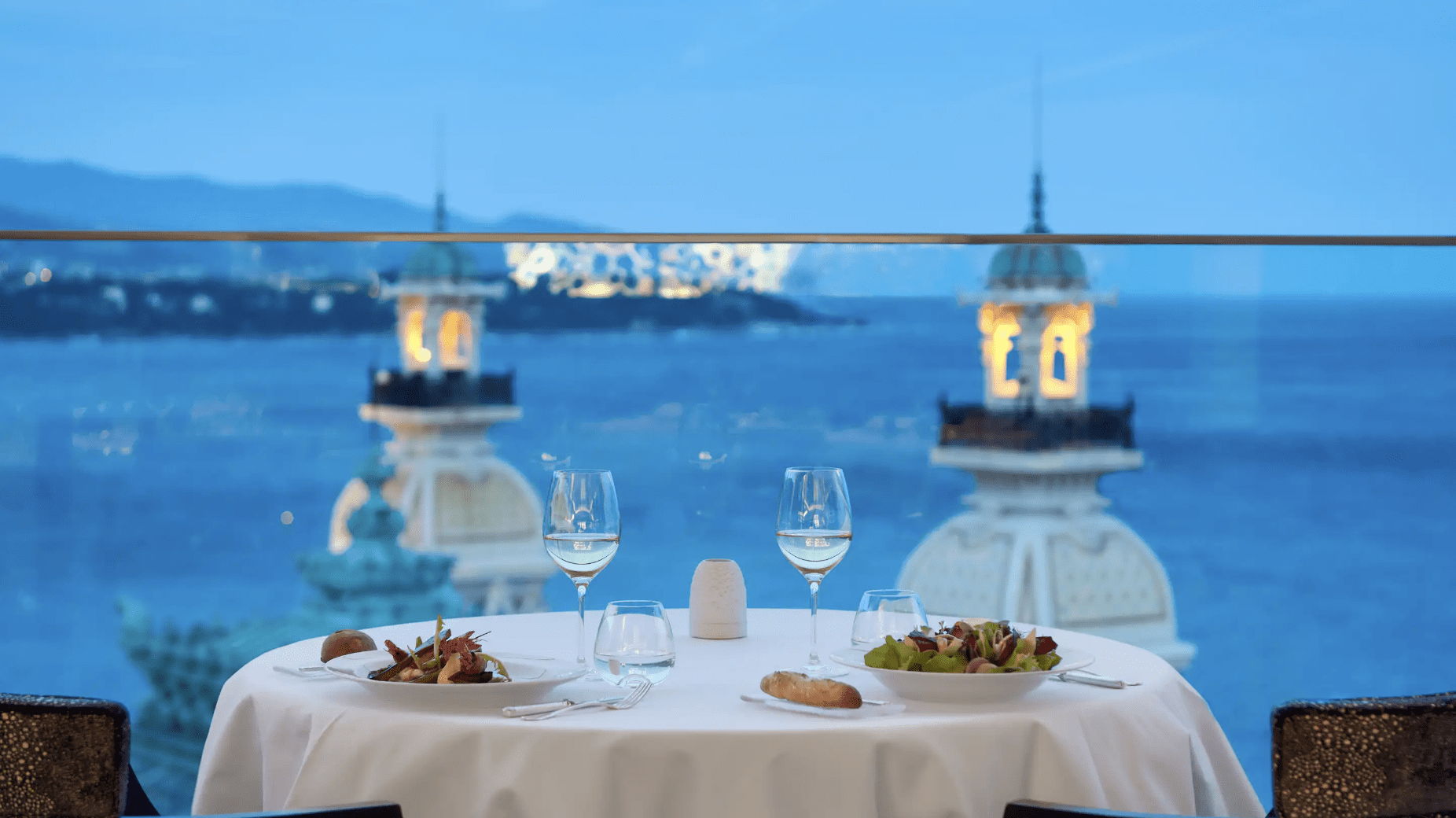
The Princess Grace Suite, a luminous multiroom residence suspended above the sea and curated with personal archives from the late Princess.
-
The Prince Rainier III Suite, an expansive private residence with panoramic views of the Mediterranean.
Below the hotel lies a counterpoint to the Riviera light. The historic wine cellars, founded in 1874 and recently restored, house approximately 350,000 bottles. The vault includes a small museum that protects irreplaceable vintages and occasionally hosts intimate dinners for guests who value rarity and ritual.
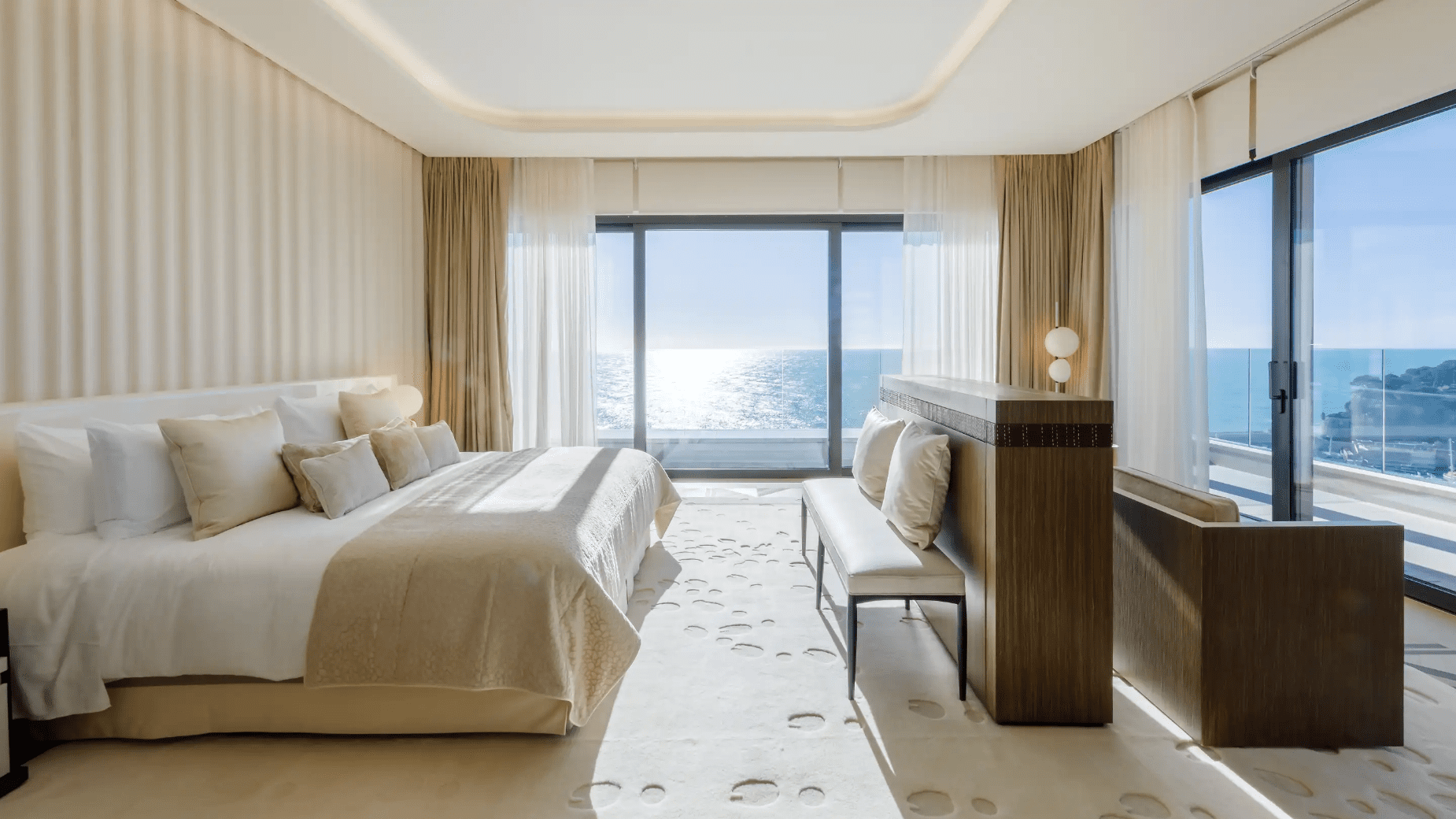
The Monaco Interpretation of Luxury Dining
Inside the hotel, gastronomy remains essential to its identity. At Le Louis XV Alain Ducasse, Riviera cuisine is presented as a form of theater, framed by a dining room marked by gilded detailing and soft, calibrated lighting. On the upper level, Le Grill pairs refined cuisine with a dramatic open view of the coastline.
Newer culinary additions reflect the evolving preferences of international travelers. Cédric Grolet Monte-Carlo, which opened last year, introduced a contemporary pastry concept centered on sculptural fruit creations and meticulous technique. Em Sherif Monte-Carlo, facing the sea, offers the refinement of Lebanese cuisine and expands the hotel’s global culinary repertoire.
Together, these experiences signal an institution that honors its history while continually reshaping it.
Inside the 50 Best Distinction
General Manager Louis Starck accepted the award in London, marking another entry in the hotel’s long roster of global accolades. The property also recently renewed its Three Michelin Keys, an honor reserved for hotels that demonstrate exceptional excellence in service and design.
“We are very happy and immensely proud to receive this award,” Starck said. “For more than 160 years, our teams at Place du Casino have created moments our guests never forget.”
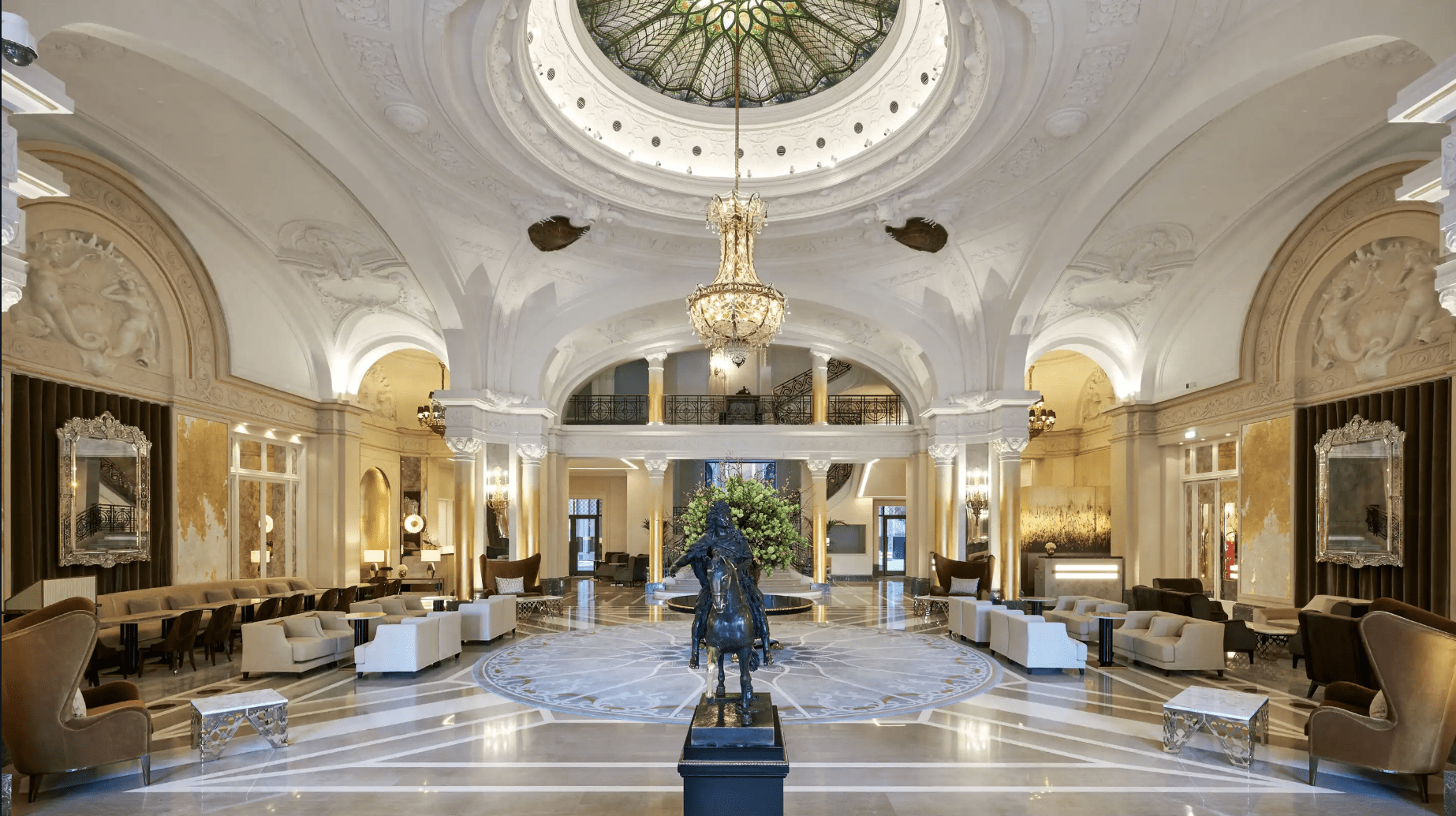
Part of the hotel’s mystique lies in the cultural figures who have passed through its doors. The future Edward VII, Maria Callas, Sarah Bernhardt, Salvador Dalí, Jacques Offenbach, Charlie Chaplin, and Sir Winston Churchill all spent time within its marble halls. Their presence is not displayed as memorabilia but felt as continuity.
The Riviera has modernized and the global luxury traveler has evolved. Yet Hôtel de Paris Monte-Carlo remains a constant. It is a model for how heritage and contemporary vision can elevate one another when executed with restraint and intention.
Its placement among The World’s 50 Best Hotels is not simply a ranking. It is an acknowledgement that the hotel remains one of the rare properties where history feels alive, architecture continues to inspire, and service operates at a level that few can match.