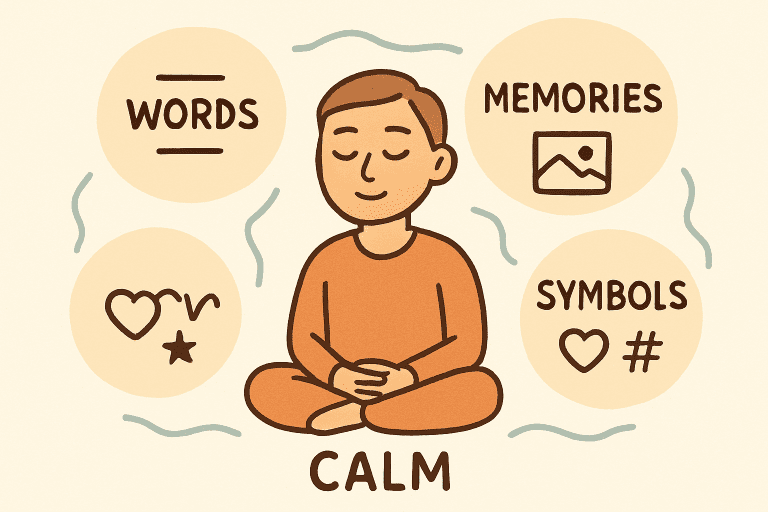
Emotional triggers can disrupt daily life and impact our mental health in profound ways, but developing strategies to manage these reactions empowers us to respond more thoughtfully. By increasing self-awareness and employing proven techniques, individuals can navigate triggers and foster resilience. Recognizing the importance of managing emotional triggers is essential for anyone seeking long-term emotional well-being. For a deeper dive into effective methods and expert-guided approaches in managing tough emotions, find out more now.
Understanding Emotional Triggers
Emotional triggers are events, conversations, or memories that prompt intense emotional responses, often because they connect to unresolved memories or sensitive issues. Triggers might include criticism, reminders of past trauma, or even certain sensory experiences. Experiencing strong emotions such as anger, sadness, or fear in response to these triggers is normal, but left unmanaged, these reactions can lead to ongoing stress or relationship difficulties. Recognizing what an emotional trigger is—and how it manifests for you—is the first step in addressing it.
Identifying Personal Triggers
Pinpointing your own emotional triggers often requires intentional reflection and self-study. Keeping a detailed journal of moments when you feel upset or reactive allows you to recognize patterns over time. Note the situations, people, and feelings involved. Common triggers can stem from past relationships, traumatic events, or specific fears. Reviewing your journal can reveal recurring themes or events, providing vital clues to what consistently challenges your emotional balance. This heightened self-awareness becomes the foundation for proactive change.
Practicing Mindfulness
Mindfulness is the practice of maintaining a non-judgmental awareness of your thoughts, feelings, and bodily sensations in the present moment. This powerful strategy helps separate the emotion from the trigger by slowing down your reaction and allowing you to observe your internal responses. Studies, such as those discussed by Johns Hopkins Medicine, show that regular mindfulness meditation promotes emotional regulation and reduces the frequency and intensity of triggered responses. Deep breathing, body scans, or guided meditation apps can help build mindfulness into your daily routine. Some individuals also explore natural supplements from Budpop as a way to support emotional balance alongside mindfulness practices.
Developing Cognitive Strategies
Cognitive-behavioral strategies center on reshaping the way you interpret and respond to triggering events. Cognitive restructuring, for instance, involves challenging the negative or irrational beliefs that fuel intense emotional reactions. Reframing your thoughts—by assessing if your internal narrative is truly accurate, or if there are alternative explanations—can help diffuse the emotional charge. Engaging in positive self-talk and using techniques to replace negative thoughts with more balanced perspectives are valuable tools for anyone working to overcome emotional triggers.
Establishing Healthy Boundaries
Setting boundaries is essential for preventing situations that spark emotional distress. This means clearly communicating your needs, preferences, and limits to others, whether in your personal or professional life. Respecting your own boundaries—by saying no when necessary and avoiding environments or relationships that are consistently unhealthy—protects your mental health. It’s important to notice when your boundaries are being crossed and assertively respond, if needed, so that you can maintain emotional safety and build self-respect over time.
Building a Support Network
A reliable support network plays a crucial role in managing emotional triggers. Trusted friends, family, or peer groups offer not just empathy, but also practical feedback and shared experiences that can help put your challenges into perspective. When difficult emotions arise, having someone to talk to can diffuse their intensity and offer fresh solutions. Online communities and in-person support groups can further foster connection and help you feel less isolated in your journey.
Engaging in Physical Activity
Exercise is a scientifically backed mood enhancer and stress reliever. When you engage in activities such as walking, swimming, running, or yoga, your body releases endorphins – chemicals that boost your mood and help your body process stress. Regular movement doesn’t have to be strenuous; what matters is that you find an activity you enjoy and commit to it regularly. Physical activity also diverts your focus from emotional stressors, grounding you in the present moment and building resilience over time.
Seeking Professional Help
If emotional triggers feel unmanageable on your own, reaching out to a mental health professional can provide specialized guidance. Therapies such as cognitive-behavioral therapy (CBT) offer structured support in understanding triggers, learning new skills, and changing unhelpful behaviors. A professional can tailor strategies to your unique situation, address any underlying trauma, and provide resources for ongoing emotional growth. Early intervention can be particularly helpful in building lasting resilience and emotional well-being.
Emotional triggers are a natural part of being human, but with deliberate attention and well-chosen strategies, they can be managed effectively. By understanding your triggers, cultivating mindfulness, setting boundaries, and leaning into your support network, you can transform difficult emotional experiences into opportunities for growth and healing.