In a world where image, confidence, and self-assurance often shape professional and personal success, the line between self-care and self-investment is becoming increasingly blurred. For many, a hair transplant is no longer viewed as a cosmetic indulgence—it’s seen as a strategic investment in how they feel, function, and perform in every area of life.
While the hair transplant cost is a practical consideration, the true value lies beyond the price tag. It’s in the renewed confidence that transforms interactions, the comfort that comes from looking in the mirror without hesitation, and the psychological lift that changes how people carry themselves in the world.
Let’s explore the two sides of the equation—the investment and the cost—and how each plays an essential role in the decision-making process.
The Investment: Confidence, Self-Esteem, and Mental Wellbeing
The power of self-image cannot be overstated. How you see yourself affects how others see you—and, more importantly, how you behave, communicate, and lead. For men and women alike, hair loss can quietly erode that self-image over time.
It starts subtly: styling your hair differently to hide a thinning patch, avoiding photos from certain angles, or catching your reflection and seeing someone who looks older than you feel. These small moments accumulate, often leading to self-consciousness, social withdrawal, or even anxiety and depression.
Restoring Confidence, Naturally
A successful hair transplant doesn’t just fill the gaps on your scalp—it fills the gaps in your confidence. Many patients describe it as “getting a part of themselves back.” After seeing the first signs of growth, there’s a visible shift in posture, expression, and energy. They make eye contact more easily. They smile without hesitation. They start living more fully again.
That renewed confidence often spills over into other areas: better performance at work, more openness in relationships, and a healthier outlook on ageing. These aren’t just emotional side effects—they’re tangible, measurable improvements in overall quality of life.
The Mental Health Dividend
Studies in psychology and aesthetics have shown that improving one’s physical appearance can have profound effects on mental health. The brain’s reward system associates satisfaction and self-esteem with perceived attractiveness and self-acceptance.
When a person feels “whole” again—after months or even years of battling the insecurity of hair loss—the psychological lift is often life-changing. Patients report reduced anxiety, improved social engagement, and a stronger sense of identity.
In this sense, the investment in a hair transplant isn’t limited to what you see in the mirror—it’s what you feel internally.
The Physical Transformation
Beyond the emotional and mental benefits, the physical results of modern hair transplant techniques are nothing short of remarkable.
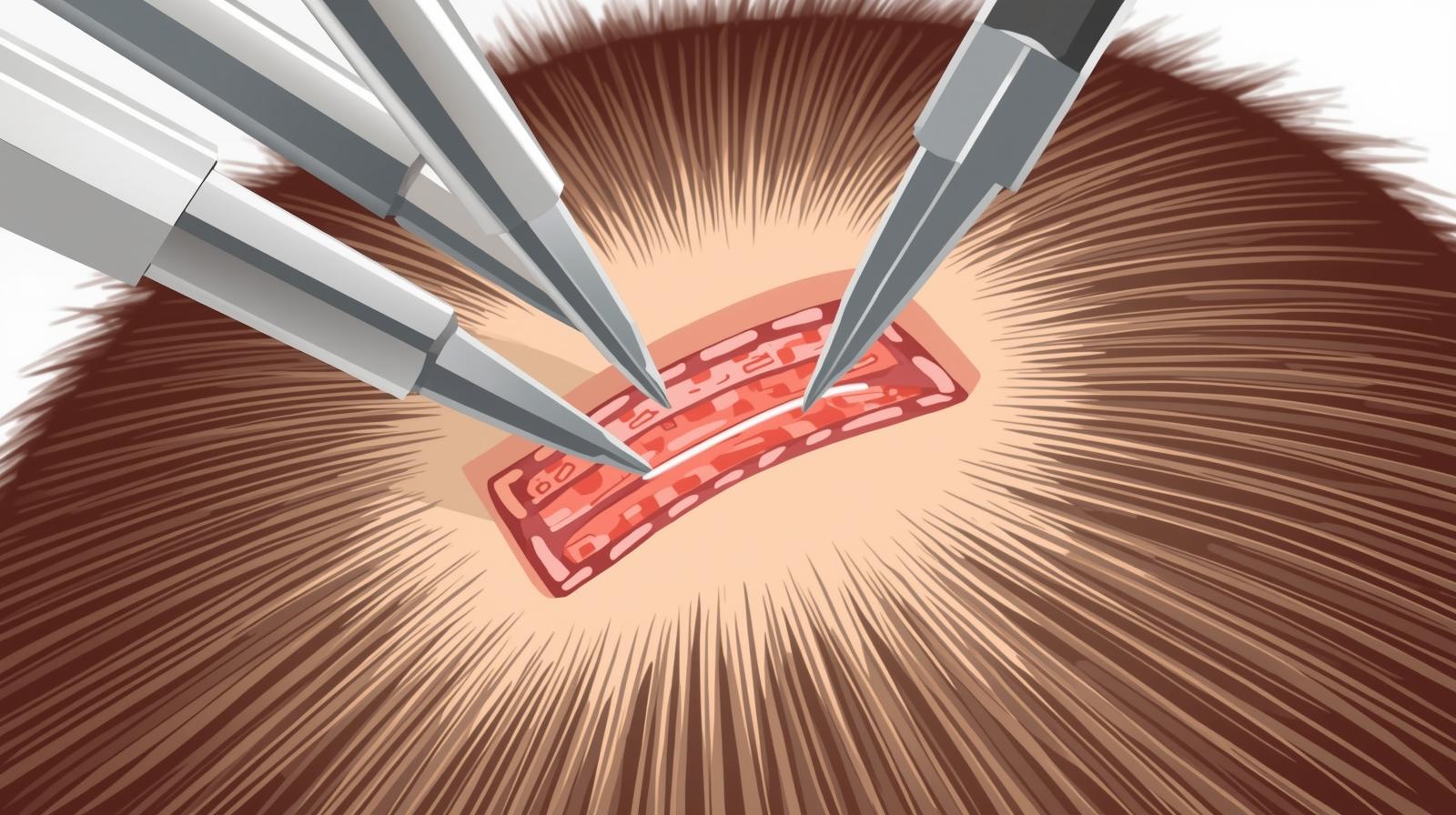
Methods such as FUE (Follicular Unit Excision) and FUT (Follicular Unit Transplant) have evolved to produce seamless, natural outcomes. The days of unnatural hairlines and visible scarring are long gone.
Today’s leading surgeons use microscopic precision to harvest and implant follicles in the exact direction, angle, and density that mimic natural growth. The results? A restored hairline that’s indistinguishable from nature’s design.
It’s a transformation that enhances appearance subtly yet significantly—refreshing your overall image without changing your identity.
The Cost: Money, Time, and Commitment
While the emotional and psychological rewards are immense, it’s important to be realistic about the costs—not just financial, but temporal and practical.
Financial Cost
The cost of a hair transplant in the UK typically ranges between £2,000 and £15,000, depending on the technique used, the extent of hair loss, and the experience of the surgeon. Make sure that you select a modern clinic that follows a doctor-led approach, ensuring that every procedure is carried out by a GMC-registered specialist rather than technicians, which adds to both the safety and quality of the results.
While it’s easy to view that price purely as an expense, most patients see it as an investment in themselves—comparable to improving fitness, pursuing education, or maintaining overall wellbeing. A successful hair transplant is permanent; it doesn’t fade, wear out, or lose value. Instead, it continues to return confidence and satisfaction every time you look in the mirror.
Time Cost
Patience is part of the process. While the procedure itself typically takes a single day, the results unfold over months.
After surgery, there’s a short recovery period where the scalp may appear red or swollen, followed by a “shedding phase” as the transplanted follicles reset. Real growth usually begins around the three-month mark, with the full transformation visible after 10 to 12 months.
For many, that timeline mirrors the idea of long-term investment—the steady, compounding reward of consistency and patience. You plant the seed once and watch your results grow naturally, permanently.
The Emotional Cost
It’s worth acknowledging that the journey can also involve emotional ups and downs. There’s excitement after the procedure, impatience during the regrowth phase, and finally joy as the results reveal themselves.
But this cycle also reinforces a deeper emotional maturity—the ability to trust the process and value yourself enough to wait for something truly worthwhile.
Balancing the Equation
The true question isn’t “What does a hair transplant cost?” but rather “What is it worth to me?”
For most patients, the scales tip heavily toward value. The transformation brings back a sense of self that can’t be easily quantified. The mirror stops being a reminder of loss and becomes a reflection of renewal.
Confidence is a currency that compounds daily. When you feel your best, you perform your best—whether that’s in a boardroom, a social setting, or simply walking down the street.
Conclusion: The ROI of Self-Investment
The conversation around hair restoration has evolved far beyond vanity. It’s about identity, self-respect, and emotional wellbeing. The financial hair transplant cost is finite; the benefits are enduring.
Like any worthwhile investment, it requires research, commitment, and trust in the right professionals. But when done well, the returns are visible not only on your head—but in your posture, confidence, and happiness.
Because in the end, a hair transplant isn’t just about restoring hair—it’s about restoring you.