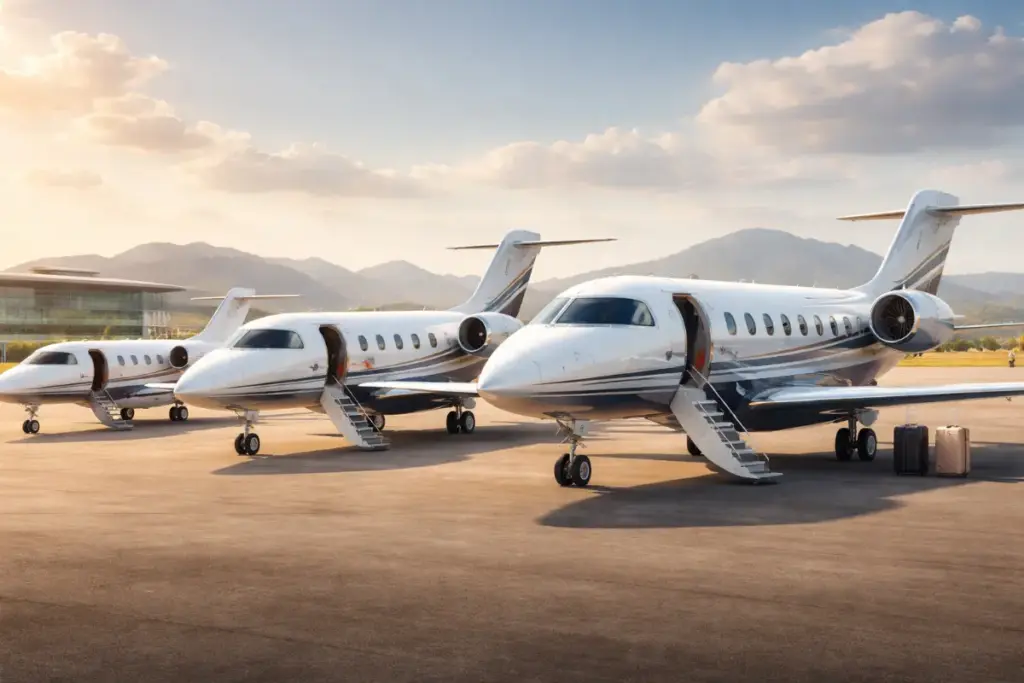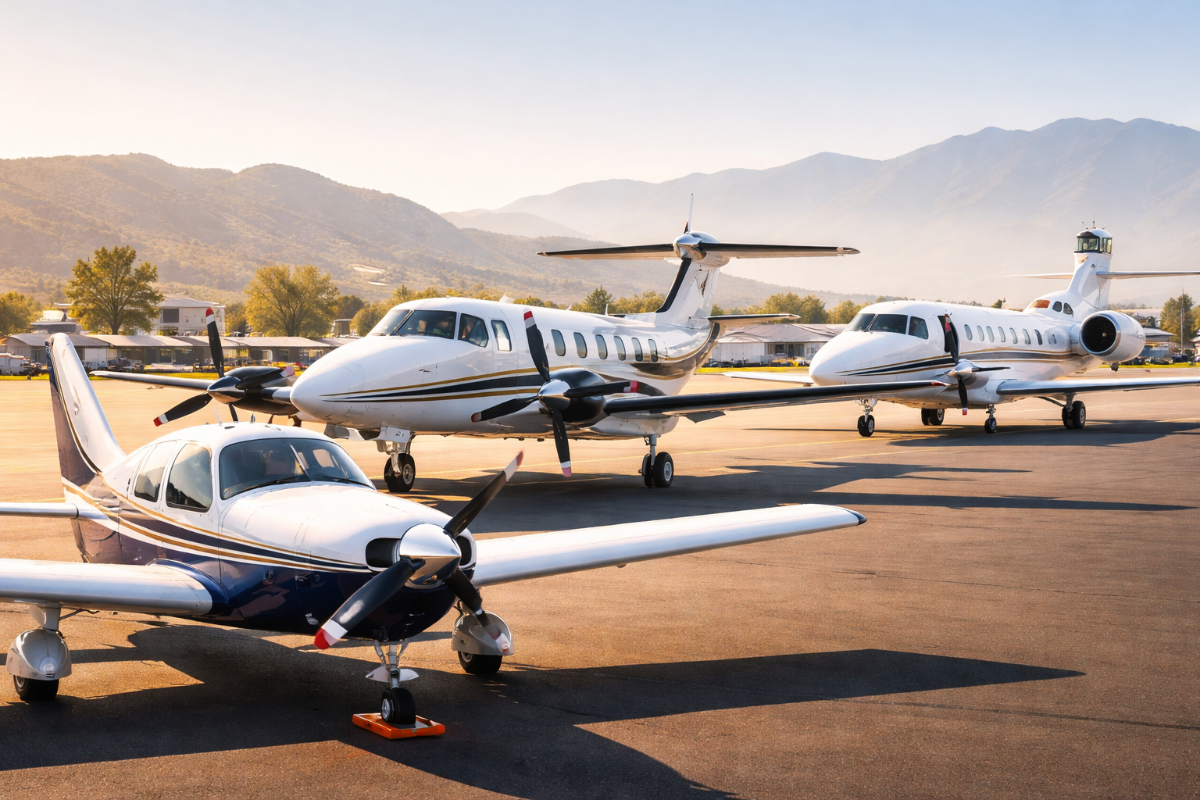
Owning an aircraft is a dream for many aviation enthusiasts, business owners, and frequent travelers. However, the real financial commitment goes far beyond the purchase price. Aircraft Ownership Costs include numerous ongoing expenses that every owner must carefully consider before buying a private or small aircraft.
While the idea of flying on your own schedule is appealing, aircraft ownership requires continuous investment in maintenance, operations, insurance, and storage. Moreover, regulatory compliance and safety inspections add additional financial responsibilities.
Understanding the complete picture of Aircraft Ownership Costs helps prospective buyers make informed decisions. Whether you are considering a small piston aircraft, a turboprop, or a private jet, knowing the full cost structure will allow you to plan your aviation investment wisely.
This guide explains the major cost components involved in owning private and small aircraft, compares operating expenses across aircraft types, and highlights strategies to manage these costs effectively.
Overview of Aircraft Ownership Costs
Before purchasing an aircraft, it is important to understand the main categories that make up Aircraft Ownership Costs. These expenses can generally be divided into two groups: fixed costs and variable costs.
Fixed costs remain relatively constant regardless of how often the aircraft flies. Variable costs, however, increase with flight hours and operational use.
Major cost categories include:
-
Aircraft purchase price
-
Maintenance and inspections
-
Aviation insurance
-
Fuel and operational expenses
-
Hangar or storage fees
-
Crew salaries (for larger aircraft)
-
Depreciation and financing costs
Moreover, each aircraft type has a different cost profile. A small piston aircraft may cost significantly less to operate than a turboprop or private jet.
Aircraft Purchase Price
The purchase price is typically the largest initial component of Aircraft Ownership Costs. Prices vary widely depending on aircraft size, engine type, avionics technology, and manufacturer.
Smaller aircraft designed for training or personal travel are far more affordable than high-performance turboprops or business jets.
Factors Affecting Aircraft Price
Several factors influence aircraft purchase prices:
-
Aircraft category and engine type
-
Manufacturer reputation
-
Aircraft age and condition
-
Avionics and cockpit technology
-
Total flight hours and maintenance history
Moreover, newer aircraft often include advanced avionics systems and safety features, which significantly increase the purchase cost.
Aircraft Purchase Price by Category
| Aircraft Category | Typical Purchase Price Range |
|---|---|
| Piston Aircraft | $100,000 – $600,000 |
| High-Performance Piston | $600,000 – $1,200,000 |
| Turboprop Aircraft | $1.5 million – $7 million |
| Light Private Jet | $3 million – $10 million |
| Midsize Private Jet | $10 million – $25 million |
Consequently, selecting the right aircraft category is crucial to managing long-term Aircraft Ownership Costs.
Fixed Aircraft Ownership Costs
Fixed costs are recurring expenses that owners must pay regardless of how often the aircraft is flown.
These costs form the baseline financial commitment of owning an aircraft.
Hangar and Storage Fees
Aircraft require proper storage to protect them from weather damage and environmental exposure.
Typical storage options include:
-
Private hangars
-
Shared hangar space
-
Outdoor tie-downs
However, hangar costs vary significantly by airport location. Busy metropolitan airports often charge higher storage fees than regional airports.
Estimated annual hangar costs:
-
Small piston aircraft: $3,000 – $8,000
-
Turboprops: $10,000 – $25,000
-
Private jets: $30,000 – $100,000
Aircraft Insurance
Aviation insurance is another key component of Aircraft Ownership Costs. Insurance protects aircraft owners from liability risks and physical damage.
Two primary insurance types include:
-
Hull insurance (covers aircraft damage)
-
Liability insurance (covers injury or property damage)
Moreover, insurance premiums depend on factors such as:
-
Aircraft value
-
Pilot experience
-
Aircraft usage type
-
Geographic location
Typical insurance costs range between 1% and 3% of the aircraft’s value annually.
Regulatory Inspections and Compliance
Aircraft must undergo scheduled inspections to maintain airworthiness and safety standards.
Common regulatory requirements include:
-
Annual inspections
-
Airworthiness directives
-
Avionics certification
-
Safety upgrades
Consequently, compliance with aviation regulations adds predictable annual expenses.
Crew Salaries
Smaller aircraft are often flown by their owners. However, turboprops and private jets frequently require professional pilots or crew members.
Estimated annual salaries:
-
Single pilot: $70,000 – $150,000
-
Jet captain: $150,000 – $300,000
-
Flight attendant (for larger jets): $40,000 – $90,000
Therefore, crew expenses can significantly increase Aircraft Ownership Costs for larger aircraft.
Variable Aircraft Ownership Costs
Variable costs depend on how frequently the aircraft is flown. The more flight hours accumulated, the higher these expenses become.
Fuel Costs
Fuel is one of the largest operational expenses in aviation.
Different aircraft engines consume fuel at different rates:
-
Piston aircraft use aviation gasoline (Avgas)
-
Turboprops and jets use jet fuel
Average fuel consumption:
-
Piston aircraft: 8–20 gallons per hour
-
Turboprop: 40–90 gallons per hour
-
Private jet: 150–400 gallons per hour
Moreover, fuel prices fluctuate globally, which can significantly impact annual operating costs.
Routine Maintenance
Aircraft maintenance ensures safety and reliability. Routine tasks include:
-
Engine inspections
-
Oil changes
-
Tire replacement
-
Avionics servicing
However, unexpected repairs may occur, especially with older aircraft.
Maintenance costs typically range from:
-
$5,000 – $20,000 annually for piston aircraft
-
$50,000 – $200,000 for turboprops
-
$200,000+ for private jets
Engine Overhaul Costs
Aircraft engines require complete overhauls after a specific number of flight hours.
Typical overhaul intervals:
-
Piston engines: 1,800–2,200 hours
-
Turboprop engines: 3,000–5,000 hours
-
Jet engines: 5,000–8,000 hours
Consequently, owners must set aside funds over time to cover these major maintenance events.
Landing and Airport Fees
Airports charge landing and handling fees for aircraft operations.
These costs vary depending on:
-
Airport size
-
Aircraft weight
-
Services required
Small airports may charge minimal fees, while international airports can impose substantial operational costs.
Depreciation and Financing Costs
Depreciation is another important component of Aircraft Ownership Costs.
Aircraft typically lose value over time due to:
-
Aging airframes
-
New aircraft technology
-
Market demand fluctuations
However, some well-maintained aircraft retain value better than others.
If the aircraft purchase is financed, additional costs include:
-
Loan interest payments
-
Financing fees
-
lender requirements
Therefore, both depreciation and financing should be factored into long-term ownership planning.
Annual Operating Costs by Aircraft Type
The type of aircraft greatly affects yearly operational expenses.
| Aircraft Type | Estimated Annual Operating Cost |
|---|---|
| Piston Aircraft | $20,000 – $80,000 |
| High-Performance Piston | $80,000 – $200,000 |
| Turboprop Aircraft | $300,000 – $800,000 |
| Light Private Jet | $700,000 – $2 million |
| Midsize Private Jet | $2 million – $4 million |
Moreover, frequent usage increases these costs significantly due to fuel consumption and maintenance cycles.
Cost Differences Between Aircraft Types
Understanding how Aircraft Ownership Costs vary by aircraft type helps buyers choose the right aircraft for their needs.
Piston Aircraft
Piston aircraft are the most affordable ownership option.
Advantages include:
-
Lower purchase price
-
Lower fuel consumption
-
Simplified maintenance
However, piston aircraft have limited range and slower speeds.
Turboprop Aircraft
Turboprops offer a balance between performance and operating costs.
Key characteristics:
-
Faster speeds than piston aircraft
-
Longer range
-
Ability to operate from shorter runways
However, turboprop engines and maintenance are more expensive.
Private Jets
Private jets provide the highest performance and comfort.
Benefits include:
-
High cruising speeds
-
Long-distance capability
-
Luxury cabin configurations
However, private jets also have the highest Aircraft Ownership Costs, including fuel consumption, crew salaries, and maintenance programs.
Strategies to Reduce Aircraft Ownership Costs
Aircraft owners often adopt strategies to manage expenses effectively.
Common cost-saving approaches include:
-
Aircraft co-ownership or partnerships
-
Leasing the aircraft when not in use
-
Using smaller regional airports
-
Implementing preventive maintenance programs
Moreover, careful flight planning can reduce fuel consumption and operational costs.
Frequently Asked Questions
How much does it cost to own a small aircraft annually?
Annual Aircraft Ownership Costs for a small piston aircraft typically range from $20,000 to $80,000, depending on usage and maintenance needs.
What is the most expensive part of owning an aircraft?
The largest expenses are usually fuel, maintenance, and depreciation, especially for larger aircraft such as turboprops and private jets.
Is owning an aircraft cheaper than chartering?
For occasional travelers, chartering may be more cost-effective. However, frequent flyers may benefit from aircraft ownership despite higher upfront costs.
How many hours should you fly annually to justify ownership?
Many aviation experts suggest flying 150–200 hours per year to justify the financial commitment of owning an aircraft.
Do aircraft lose value over time?
Yes. Most aircraft depreciate over time. However, well-maintained aircraft with updated avionics may retain value better than neglected aircraft.