Fishing is one of the oldest human professions. It came a long way from spears and nets to a billion-dollar industry flooded with technology and modern equipment. The global fishing equipment market may feel like casting a line into a muddy lake. You never know how big the catch is until you reel it in.
But, one thing is clear: with the value of over $15 billion in 2024, the fishing equipment market is beaming with potential.
Whether you’re an angler chasing that big catch or a company trying to hook the next big market opportunity, the fishing equipment market offers plenty of exciting growth opportunities.
1. Recreational Fishing: The Big Catch
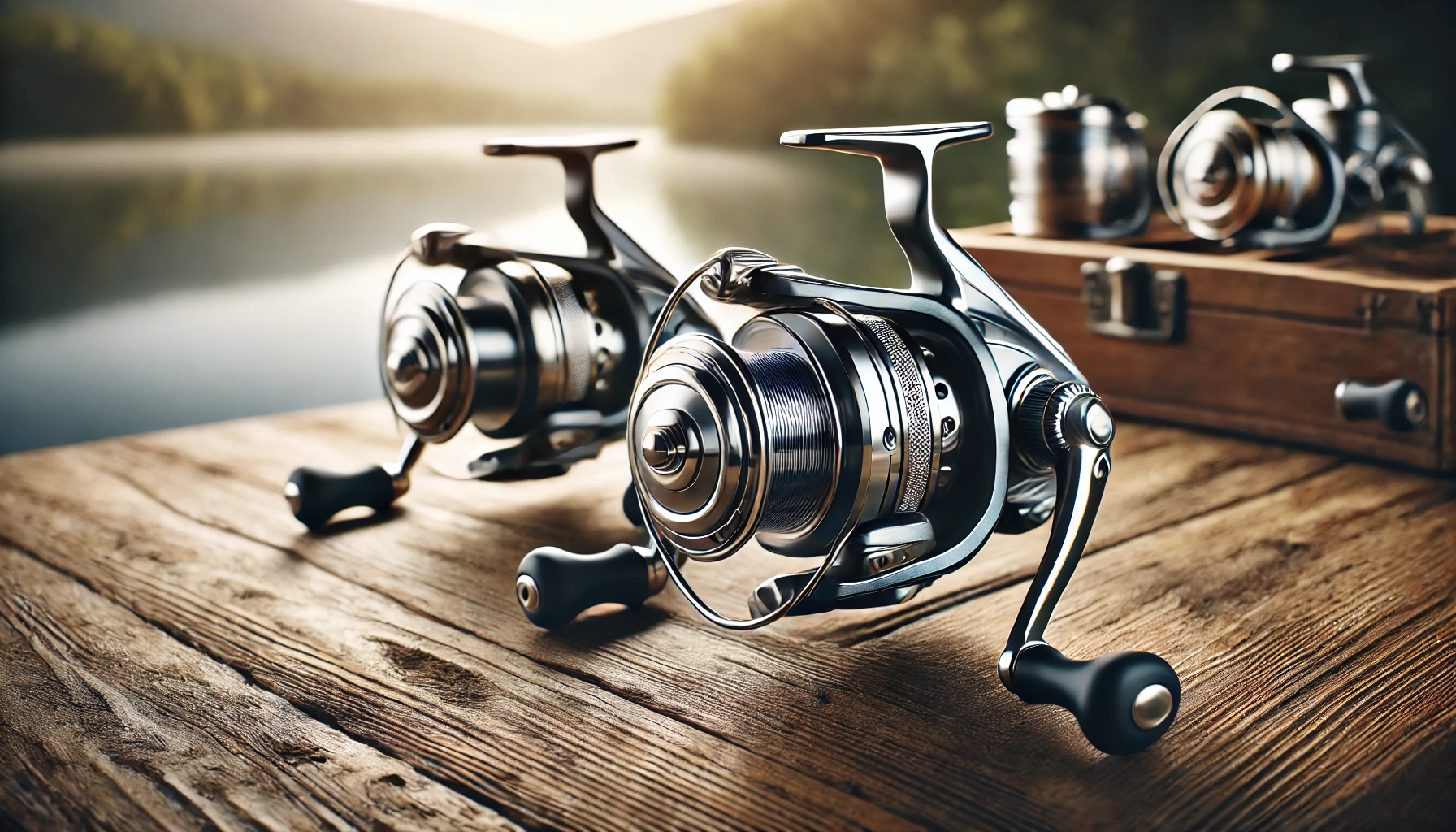
Recreational fishing, the market’s shiny lure, attracts a growing audience worldwide. People find it a great way to relax, bond, and, if they’re lucky, bring home dinner. With millions of hobbyists entering the fray annually, demand for high-quality fishing rods, Shimano reels, lures, and accessories is on the rise.
What drives this growth?
- Urbanization fatigue: More people living in cities feel the need to escape into nature.
- Social media: A scenic lake, a shiny fish, and a cool fishing rod? Perfect for Instagram.
- Events and tournaments: Fishing competitions add a competitive thrill, pushing anglers to invest in better equipment.
Companies tapping into this trend focus on stylish, lightweight, and easy-to-use gear. A few even venture into themed products, such as limited-edition rods for popular fishing events.
2. Tech-Savvy Fishing: More Gadgets, Bigger Catches
The fusion of fishing and technology opens doors for innovation. Once considered a simple activity, fishing now involves gadgets that would make James Bond jealous. From sonar-based fish finders to smart reels that sync with mobile apps, the possibilities seem endless.
Growth opportunities include:
- Smart fishing gear: Devices that analyze water temperature, fish movement, and optimal casting angles.
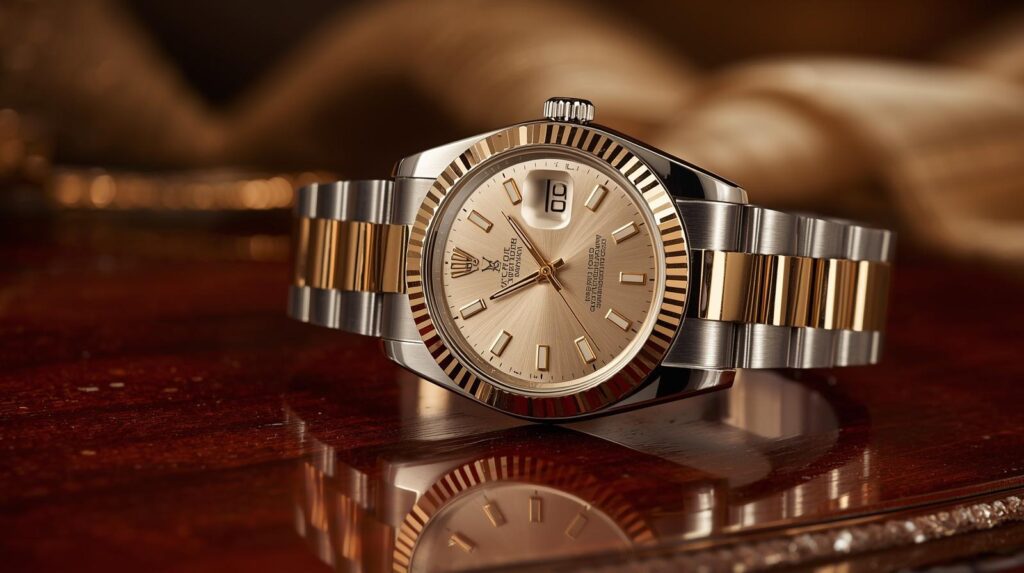
- Wearables: Waterproof smartwatches designed for anglers. Who wouldn’t want a watch that tracks how long they’ve fought that 50-pound marlin?
- Virtual fishing simulators: For those who want the thrill without getting wet.
The demand for tech-enhanced equipment also attracts younger audiences who grew up surrounded by digital devices. Companies innovating in this space reel in tech-savvy customers ready to invest in premium gadgets.
3. Eco-Friendly Equipment: A Sustainable Future
Let’s face it—nobody wants a fishing trip that ends with catching a bag of plastic instead of fish. The global push for sustainability makes eco-friendly fishing gear a booming niche. Brands that prioritize green practices have a chance to not just win customers but build a loyal fanbase of environmentally conscious anglers.
Key trends in eco-friendly gear:
- Biodegradable lures: Say goodbye to lost plastic lures sitting in the ocean forever.
- Recycled materials: Fishing rods and nets crafted from recycled plastics.
- Non-toxic tackle: Lead-free weights and eco-friendly hooks that minimize damage to marine life.
Aligning with sustainability isn’t just good for the planet—it’s good for business. Governments and organizations increasingly fund green initiatives, giving eco-conscious companies a financial boost.
4. Customization and Personalization: A Unique Hook
No one-size-fits-all rod exists for today’s diverse angler crowd. Customers love personal touches, whether it’s rods engraved with their names or lures crafted to match specific fishing conditions. Customization allows brands to charge premium prices while giving customers a unique and memorable experience.
Growth areas include:
- Custom-built rods and reels: Designed for different species, environments, or fishing techniques.
- Themed kits: Bundles tailored for beginners, tournament participants, or even kids.
- Personalized branding: Anglers love showing off gear that stands out. Let’s face it, nothing beats a rod with “The Bass Slayer” etched into it.
Customization might not appeal to budget-conscious buyers, but for enthusiasts and professionals, it’s an irresistible upgrade.
5. E-Commerce: Casting a Wider Net
Gone are the days when anglers visited local stores to buy their gear. E-commerce revolutionized how fishing equipment reaches customers. Online platforms allow brands to tap into global audiences, while features like virtual try-ons and video tutorials help customers make informed decisions.
Opportunities in online retail include:
- Subscription boxes: Monthly deliveries of lures, bait, and other essentials keep anglers hooked (pun intended).
- Social commerce: Leveraging platforms like Instagram and TikTok to sell directly through engaging content.
- Localized marketing: Tailoring offerings for specific regions based on local fishing trends.
Successful e-commerce strategies combine convenience, variety, and engaging content. A well-curated blog or YouTube channel can attract potential buyers while building brand trust.
6. Youth Engagement: Teaching the Next Generation
Convincing kids and teens to pick fishing over video games might sound tough, but it’s far from impossible. Educational campaigns, workshops, and youth-friendly gear spark interest in fishing among younger demographics.
Why target younger audiences?
- Lifetime value: Kids who start fishing young often stick with the hobby.
- Family bonding: Parents see fishing as a wholesome, screen-free activity for quality time.
- School programs: Partnerships with schools to promote fishing through outdoor activities.
The key to attracting youth lies in making fishing fun, accessible, and inclusive. Lightweight, colorful gear and interactive learning sessions help bridge the gap.
7. Expanding Into Emerging Markets
Regions with untapped potential, like Africa and parts of South America, offer lucrative opportunities for companies willing to explore. These areas boast rich aquatic resources and growing middle classes with disposable income to spend on hobbies like fishing.
Challenges and opportunities:
- Affordable pricing: Tailoring products for cost-sensitive markets ensures broader adoption.
- Education: Introducing modern equipment and fishing techniques can boost demand.
- Partnerships: Collaborating with local organizations to build trust and market presence.
Emerging markets may involve more groundwork, but the payoff in terms of growth potential makes it worthwhile.
8. The Influence of Social Media and Influencers
Let’s be honest – half the fun of fishing these days comes from sharing the adventure online. Influencers play a massive role in shaping market trends, as they introduce their audiences to the latest gear while showing off their catches.
Opportunities in influencer marketing:
- Product reviews: Gear demonstrated by trusted anglers attracts attention.
- Giveaways and challenges: Engaging audiences through contests encourages purchases.
- Collaborations: Creating signature products with influencers boosts brand visibility.
Social media isn’t just about showing off; it’s a powerful sales tool. Companies that ride this wave stand a good chance of winning over the younger, tech-savvy audience.
9. Regional Opportunities: Casting a Wide Net
The fishing equipment market varies widely by region. Understanding these nuances can unlock untapped potential.
- North America: Recreational fishing dominates this market. High incomes and competitive fishing events drive premium gear demand.
- Asia-Pacific: This region boasts the highest number of anglers globally. Rising disposable incomes and urbanization fuel interest in recreational fishing.
- Europe: Sustainability-conscious consumers demand eco-friendly and innovative gear, making this a niche opportunity for brands.
- Emerging Markets: In Latin America and Africa, fishing remains a livelihood. Affordable, durable equipment tailored to local conditions has immense potential.
10. Challenges: Not Always Smooth Sailing
Like any industry, the fishing equipment market faces hurdles. However, these challenges present opportunities for innovative companies.
- Price Sensitivity: In emerging markets, affordability remains a key factor. Striking a balance between cost and quality is crucial.
- Counterfeit Gear: Fake products undermine legitimate businesses and harm anglers. Strengthening brand authentication measures can build trust.
- Climate Impact: Changing weather patterns and migration shifts affect fishing seasons and locations. Companies innovating to meet these challenges will thrive.
Businesses must remain agile, proactive, and customer-focused to overcome these barriers.
Casting the Line for Growth
The global fishing equipment market offers vast opportunities for growth and innovation. From high-tech gadgets to eco-conscious products and personalized gear, the industry continues to evolve. Companies that align with consumer trends, embrace sustainability, and adapt to regional preferences will flourish.
Fishing is no longer just about catching fish. It’s about creating memorable experiences. And for businesses, it’s about reeling in a steady stream of customers while making waves in a rapidly growing market. After all, in this industry, there’s always another big fish waiting to be caught.