Global warming is one of the most pressing issues of our time. It affects every corner of the Earth and has far-reaching consequences for our environment, economy, and daily lives. This article will explore the effects of global warming, focusing on environmental changes and the broader impact on our planet.
Global warming refers to the gradual increase in Earth’s average surface temperature due to the buildup of greenhouse gases in the atmosphere. These gases, such as carbon dioxide and methane, trap heat from the sun, causing the planet’s temperature to rise.
Human activities, especially the burning of fossil fuels like coal, oil, and gas, are the main contributors to global warming. Deforestation and industrial processes also release significant amounts of greenhouse gases, exacerbating the problem.
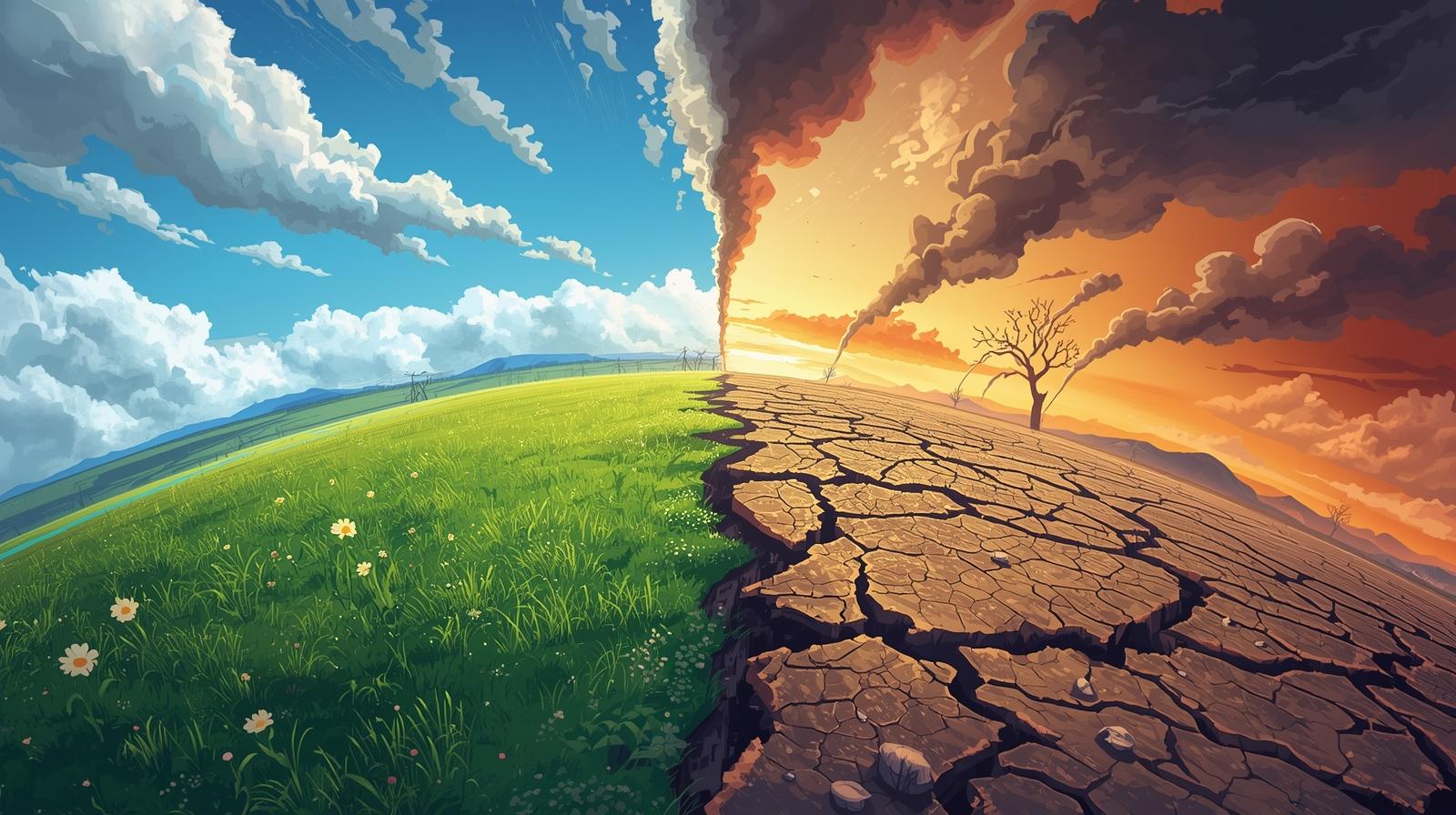
Global warming leads to significant environmental changes that affect ecosystems, weather patterns, and sea levels.
One of the most visible effects of global warming is the melting of ice caps and glaciers. As temperatures rise, polar ice melts, contributing to rising sea levels. This poses a threat to coastal communities and can lead to increased flooding and erosion.
Global warming affects weather patterns, leading to more frequent and severe weather events. Hurricanes, droughts, and heatwaves are becoming more common as global temperatures rise. These extreme weather events can devastate communities, destroy crops, and lead to loss of life.
Climate change has a profound impact on biodiversity. Many species struggle to adapt to changing temperatures and habitats, leading to shifts in ecosystems and, in some cases, extinction. As habitats change, species may migrate to new areas, disrupting local ecosystems and leading to competition for resources.
The effects of global warming extend beyond the environment, impacting human health, the economy, and society as a whole.
Global warming poses significant health risks. Heatwaves can lead to heat-related illnesses and deaths, while changing weather patterns can contribute to the spread of diseases. For example, warmer temperatures can expand the range of mosquitoes, increasing the spread of diseases like malaria and dengue fever.
The economic effects of climate change are substantial. Extreme weather events can cause billions of dollars in damage to infrastructure, homes, and businesses. Agriculture is also affected, with changing weather patterns leading to reduced crop yields and food shortages.
Climate change can exacerbate social and political tensions. Resource scarcity, such as water shortages, can lead to conflicts and displacement of communities. As some regions become less habitable, migration pressures can increase, leading to further social challenges.
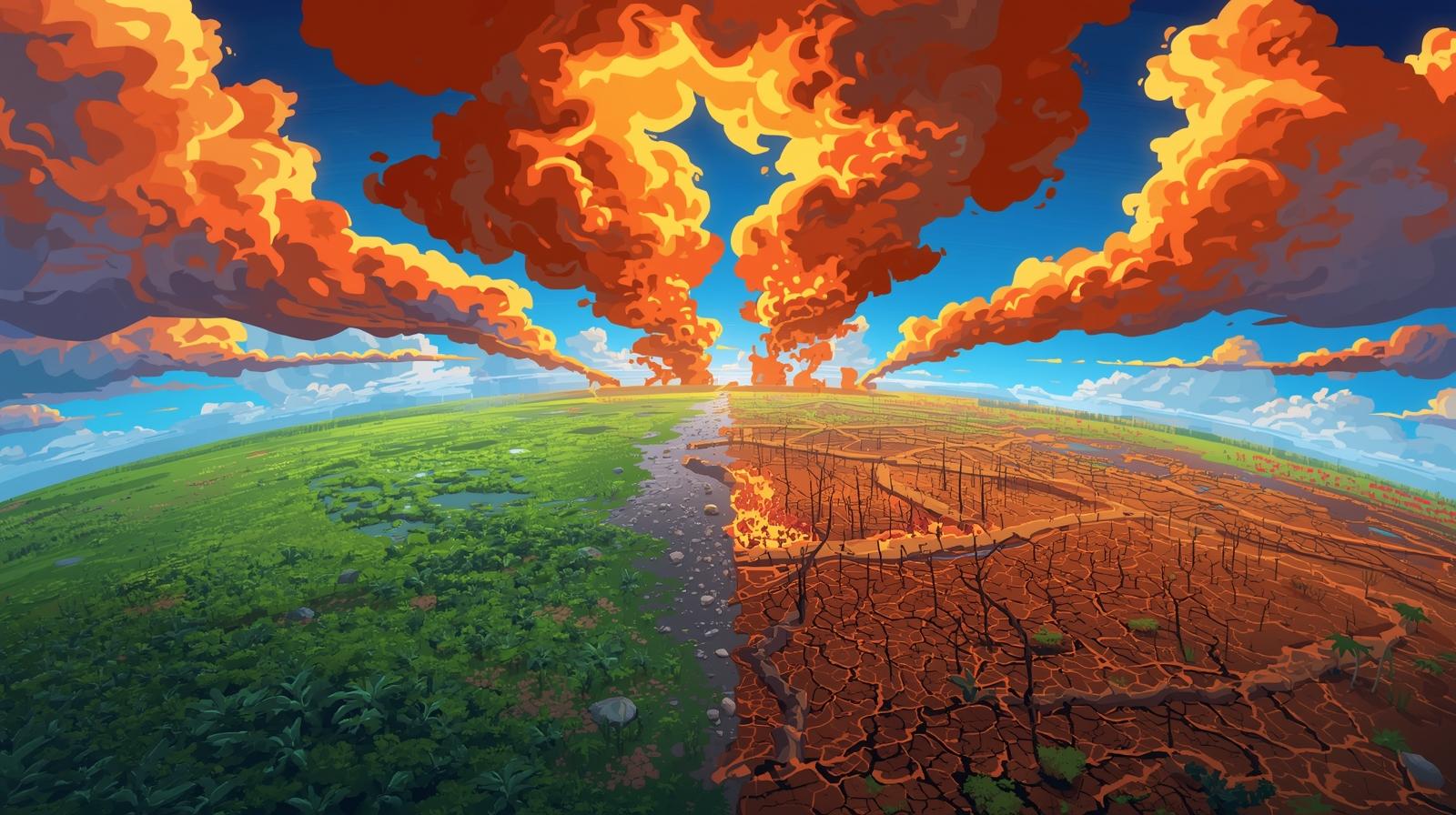
Addressing global warming requires concerted efforts from individuals, communities, and governments worldwide.
The most effective way to combat global warming is to reduce greenhouse gas emissions. This can be achieved by transitioning to renewable energy sources, such as solar, wind, and hydroelectric power. Improving energy efficiency and adopting cleaner technologies can also help reduce emissions.
Forests play a crucial role in absorbing carbon dioxide from the atmosphere. Reforestation and conservation efforts can help mitigate global warming by increasing the amount of carbon absorbed by trees and other vegetation.
Global warming is a global issue that requires international cooperation. Countries must work together to set and achieve emission reduction targets, share technology and resources, and support vulnerable communities in adapting to climate change.
While global warming is a complex issue, individuals can take steps to reduce their carbon footprint and contribute to the fight against climate change.
Individuals can adopt sustainable living practices, such as using public transportation, reducing energy consumption, and supporting local and sustainable products. Simple actions, like turning off lights when not in use and reducing water waste, can make a difference.
Raising awareness about the effects of global warming and advocating for policy changes can help drive action. Educating others about the importance of addressing climate change and supporting organizations working to combat it can amplify efforts to mitigate its effects.
Global warming poses significant challenges to our planet, affecting the environment, human health, and the economy. By understanding the consequences of global warming and taking action to reduce greenhouse gas emissions, we can work towards a more sustainable future. It requires the collective efforts of individuals, communities, and governments to protect our planet for future generations.