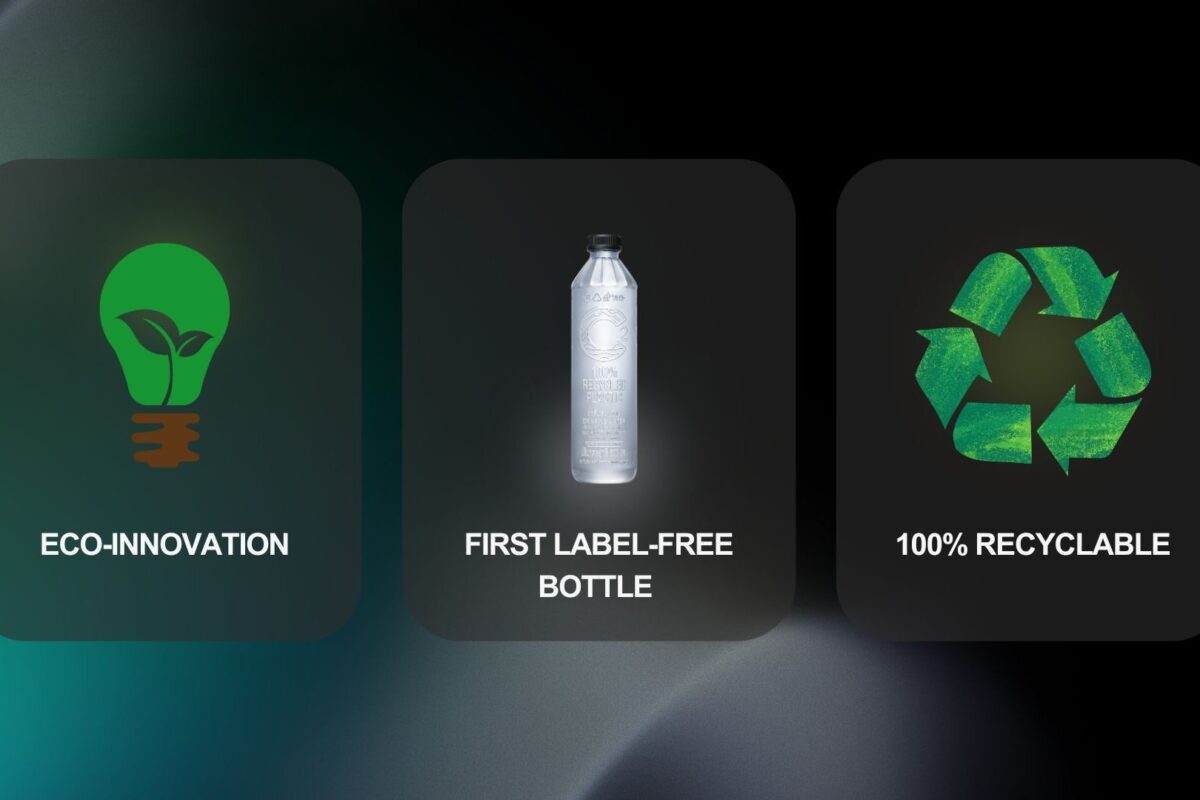
For Thanyarat Jirathitikeat, founder and CEO of C Drink Co., Ltd., sustainability is not a talking point—it is a design philosophy shaped by culture, creativity, and long-term thinking. A lifelong admirer of fashion, music, and dance, Thanyarat has always understood the power of creative industries to influence behavior and shape global narratives. That perspective now defines C2 Water, Thailand’s first label-free bottled water brand, built from day one to eliminate waste at the source rather than manage it after the fact.
C2’s presence at the Golden Globe Awards marked more than a red-carpet moment—it underscored the brand’s growing role at the intersection of sustainability, culture, and global influence. For Thanyarat, supporting film, music, and creative communities is part of a broader mission to nurture industries that move society forward. While she once dreamed of stepping onto the stage herself, today she channels that passion into creating platforms, opportunities, and systems that empower others—whether through sustainable product innovation or cultural collaboration.
At the core of C2 is a belief that environmental responsibility and commercial success are not mutually exclusive. By pioneering a 100% recyclable, label-free bottle, Thanyarat has positioned C2 as a pathfinder brand—one aligned with future regulation, scalable by design, and increasingly relevant to global markets. In this executive interview, she shares how personal passion informs leadership, why sustainability is a long-term investment, and how Thai innovation can influence the future of consumer brands worldwide.
Impact Wealth speaks to Ms. Jirathitikeat, the dynamic CEO behind C2 Water about what is next on the horizon and her influence in shaping the sustainable packaging trend in Thailand.


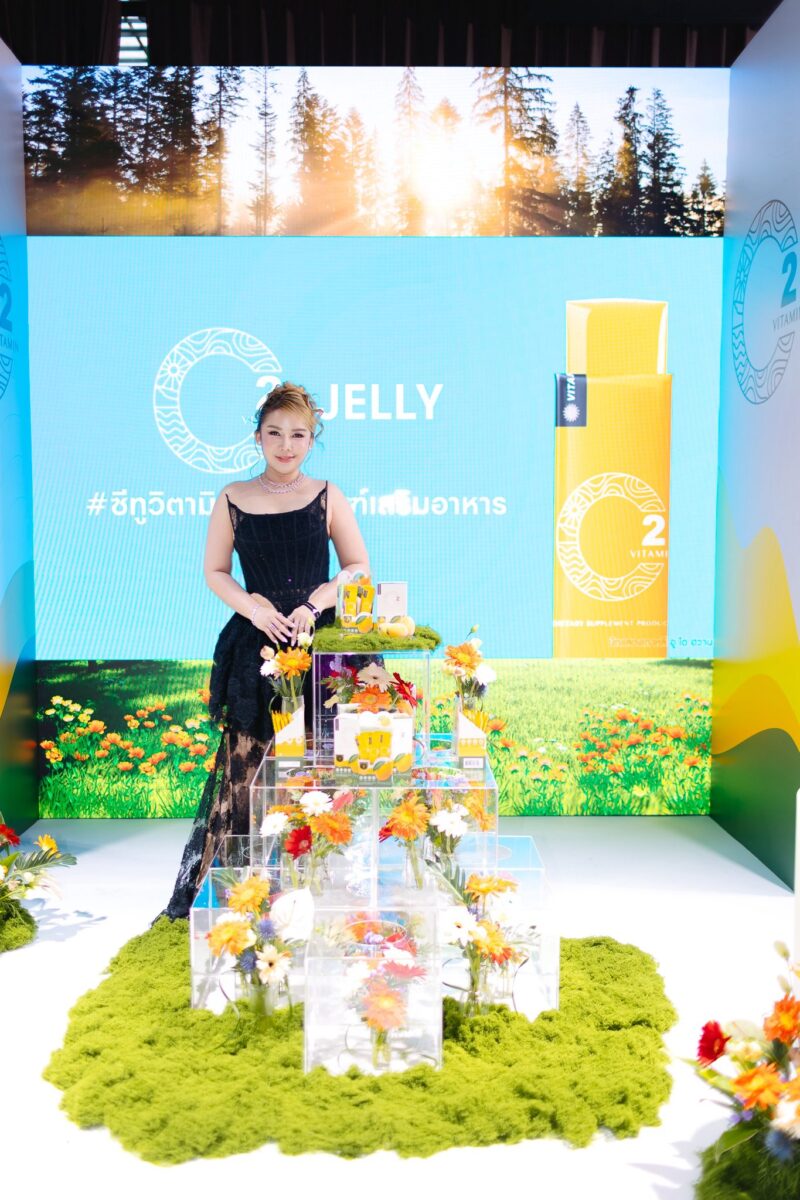
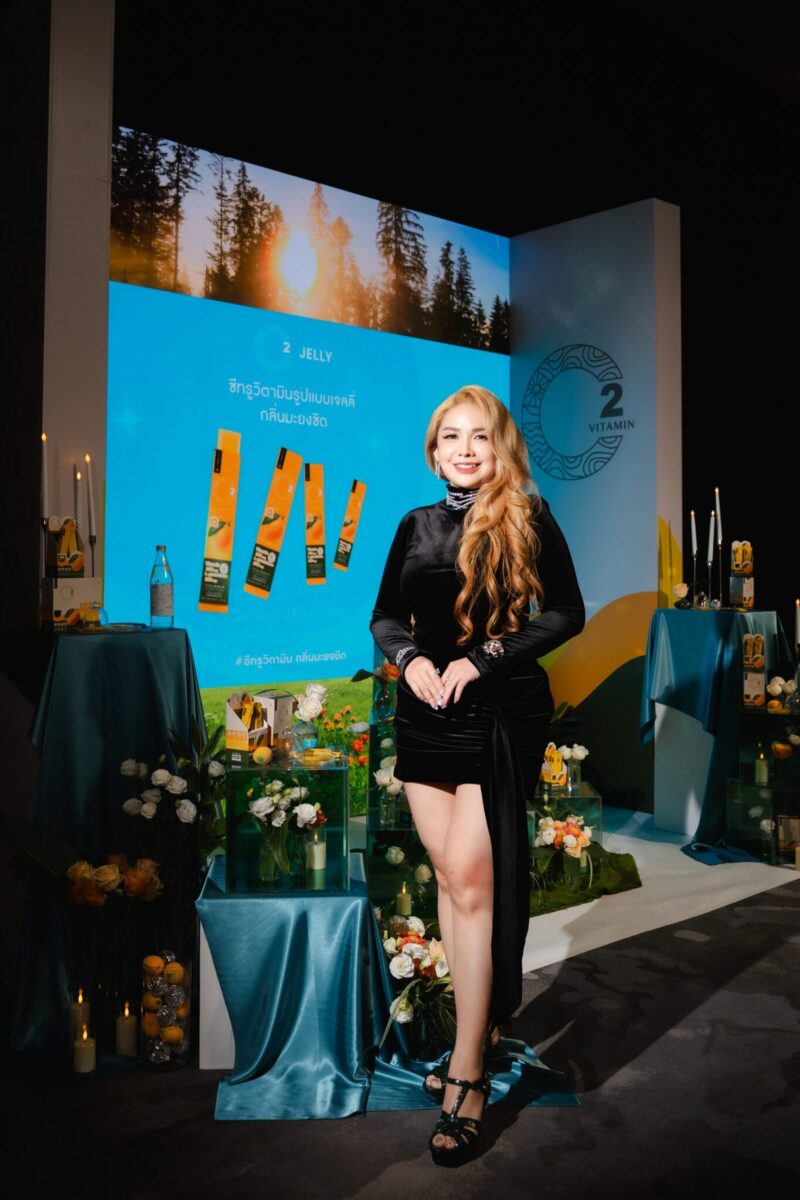
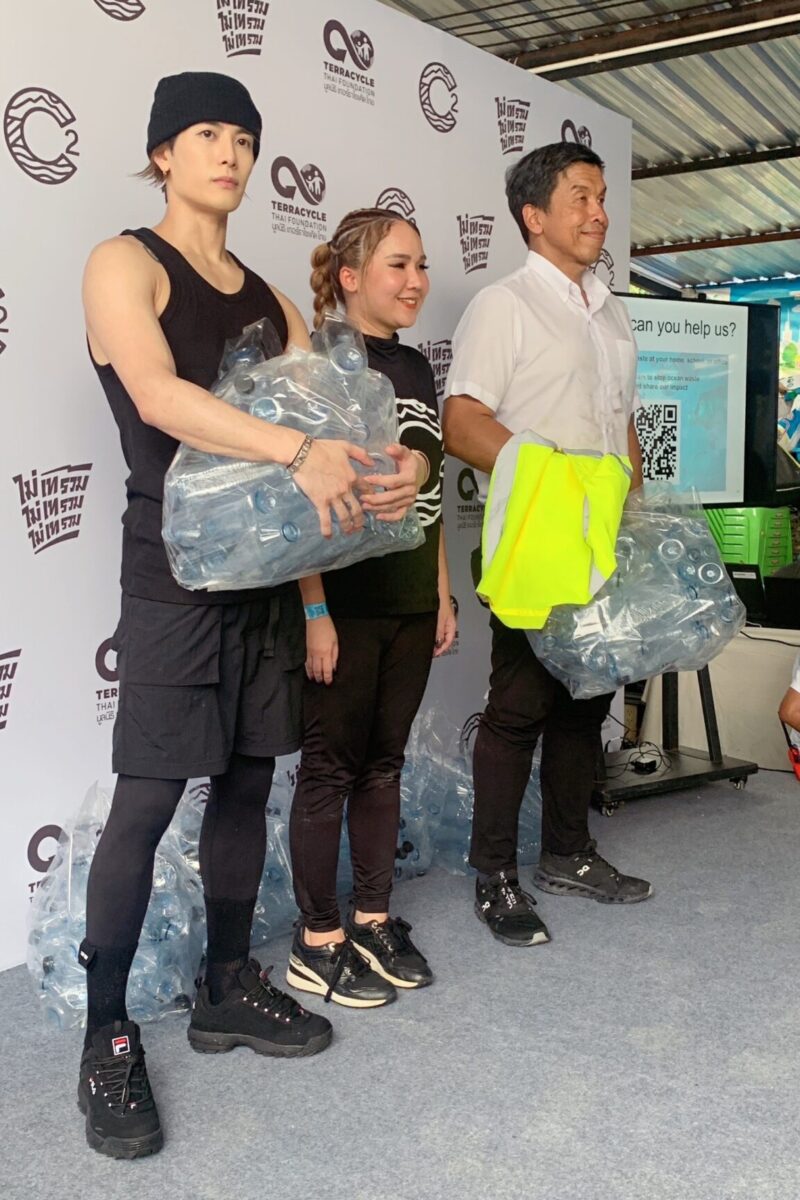
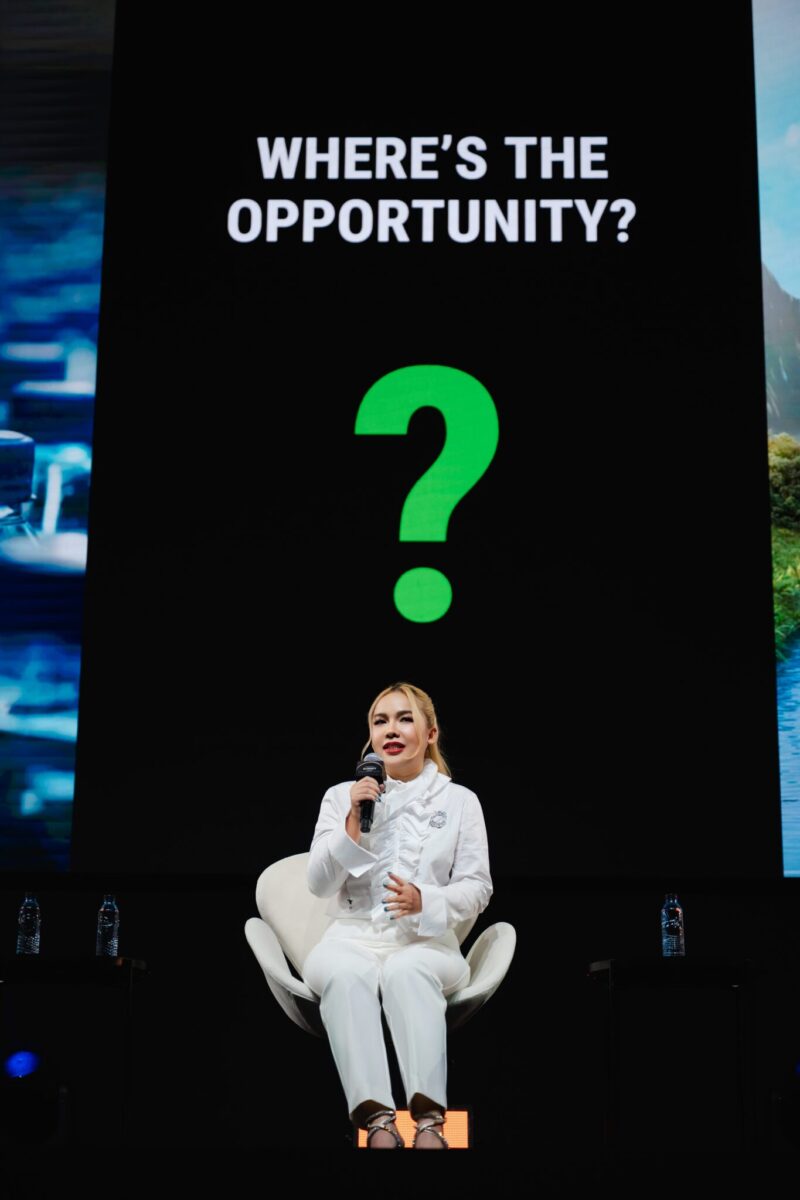
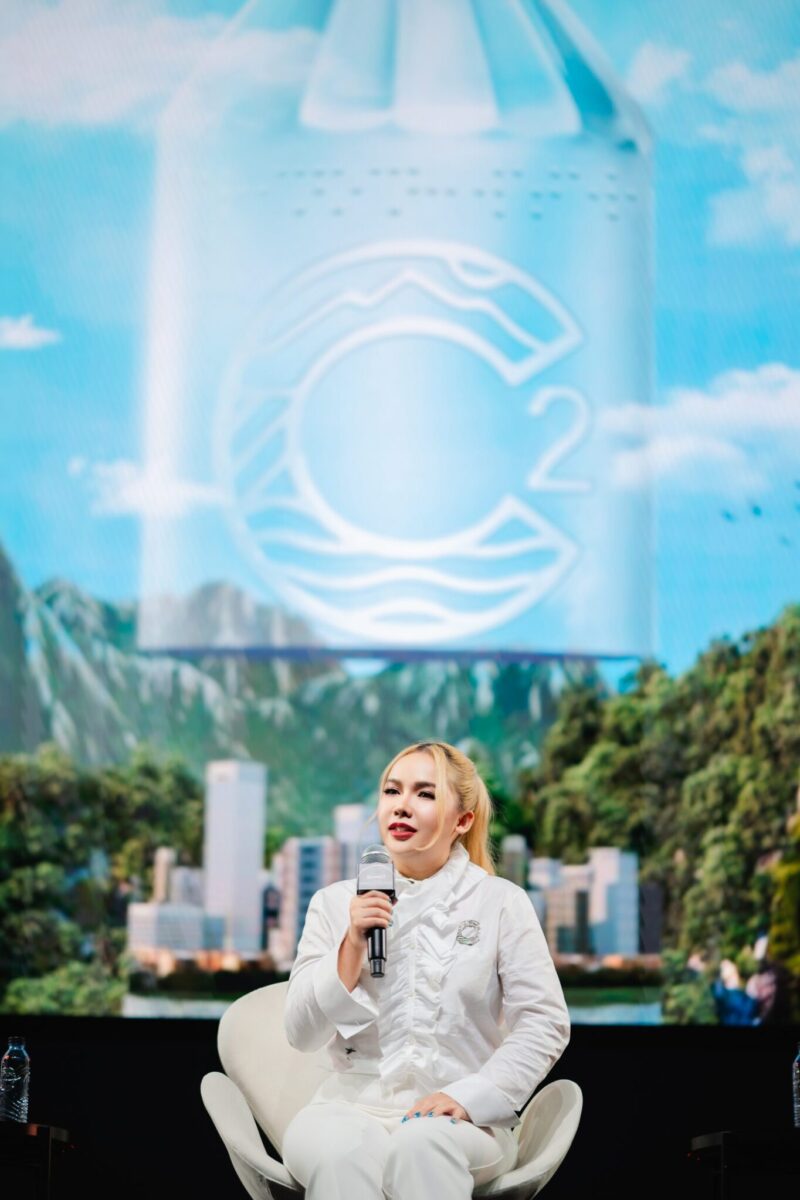
What drew C2 to participate in the FDA Innovation Expo, and what role did you play at the event?
C2 participated as Thailand’s first brand to introduce label-free bottled water—not as a concept, but as a functioning business model. From the beginning, our goal has been to demonstrate that sustainability can be structural, scalable, and commercially viable.
Our role at the event went far beyond exhibiting a product. We were there to share practical experience—how innovation can work in parallel with regulation, how packaging can be redesigned at the source, and how businesses can contribute meaningfully to shaping the future of their industries.
What was the original inspiration behind the label-free bottled water concept?
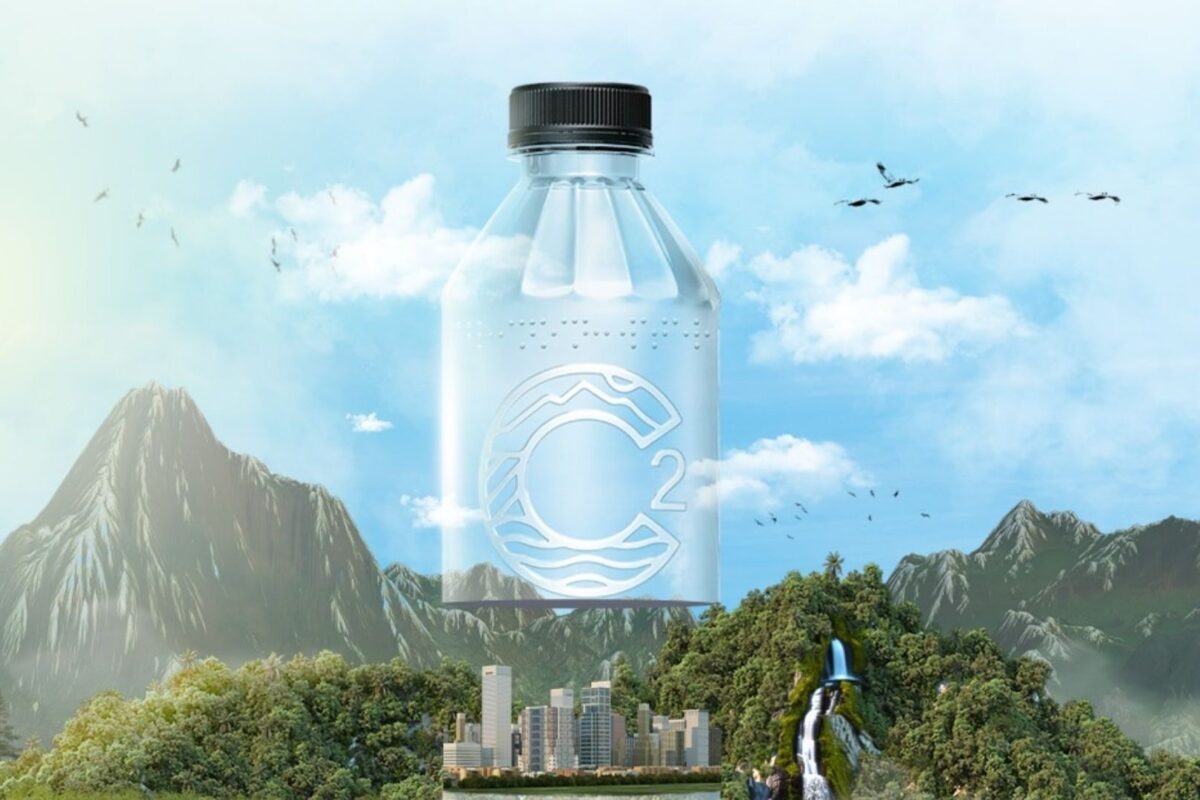
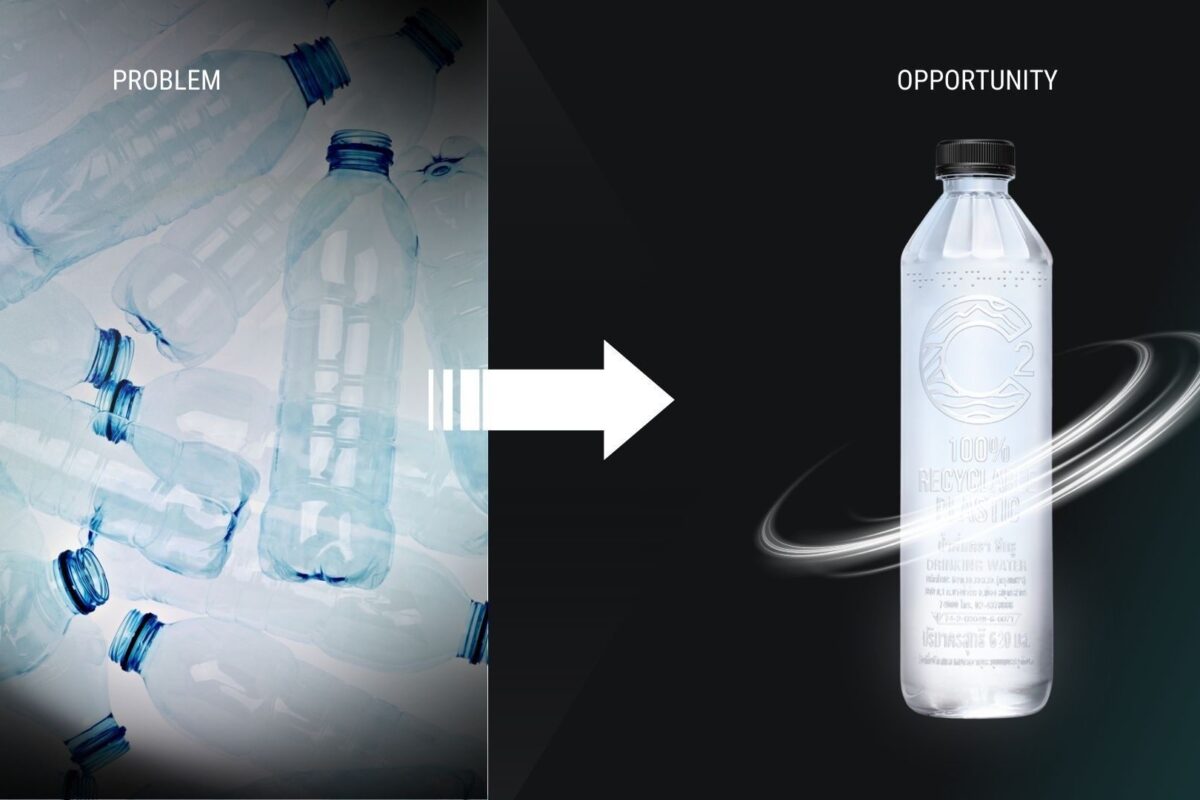
It began with a very direct question: If plastic labels are one of the biggest barriers to recycling, why are we still using them?
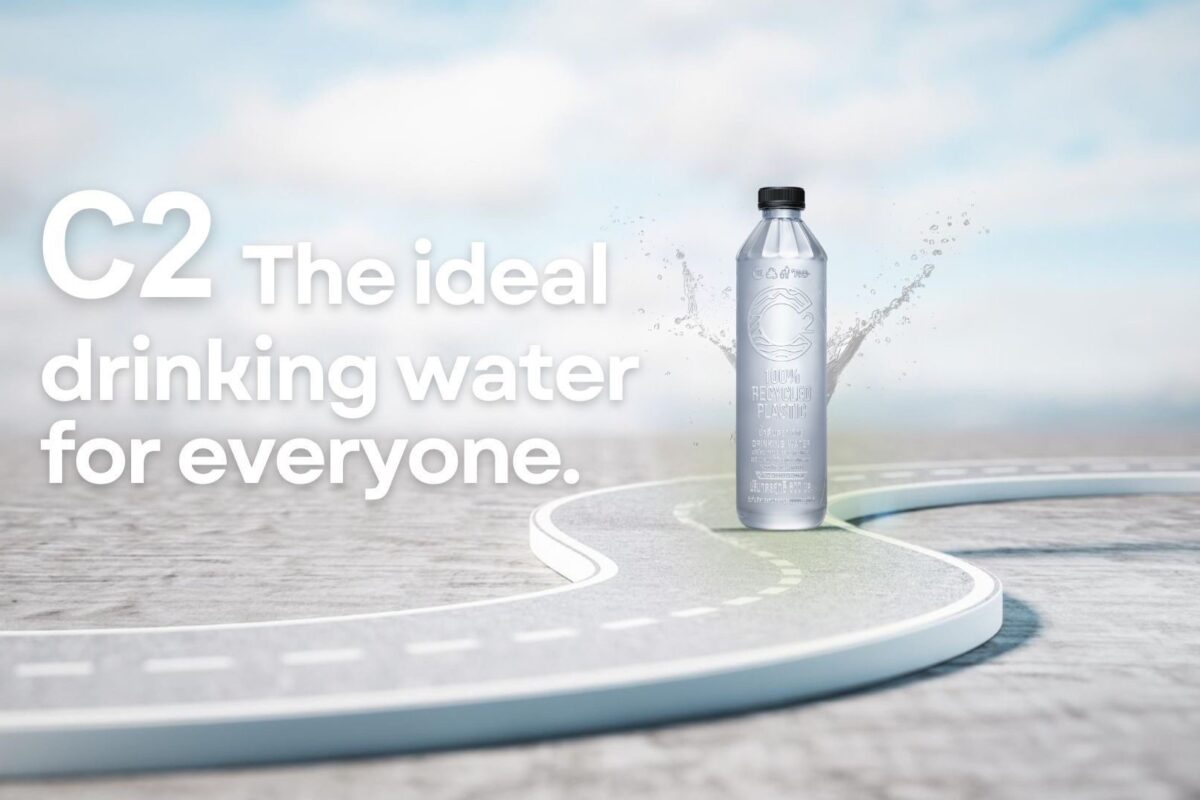
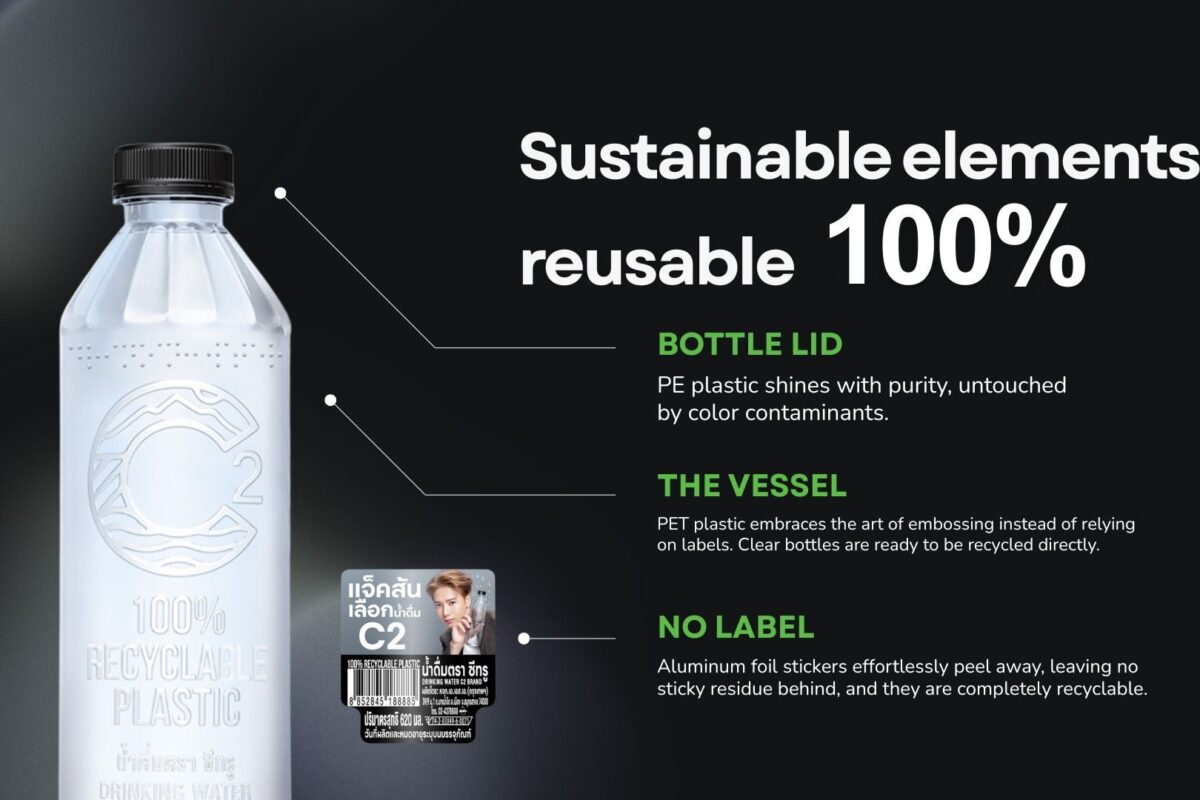
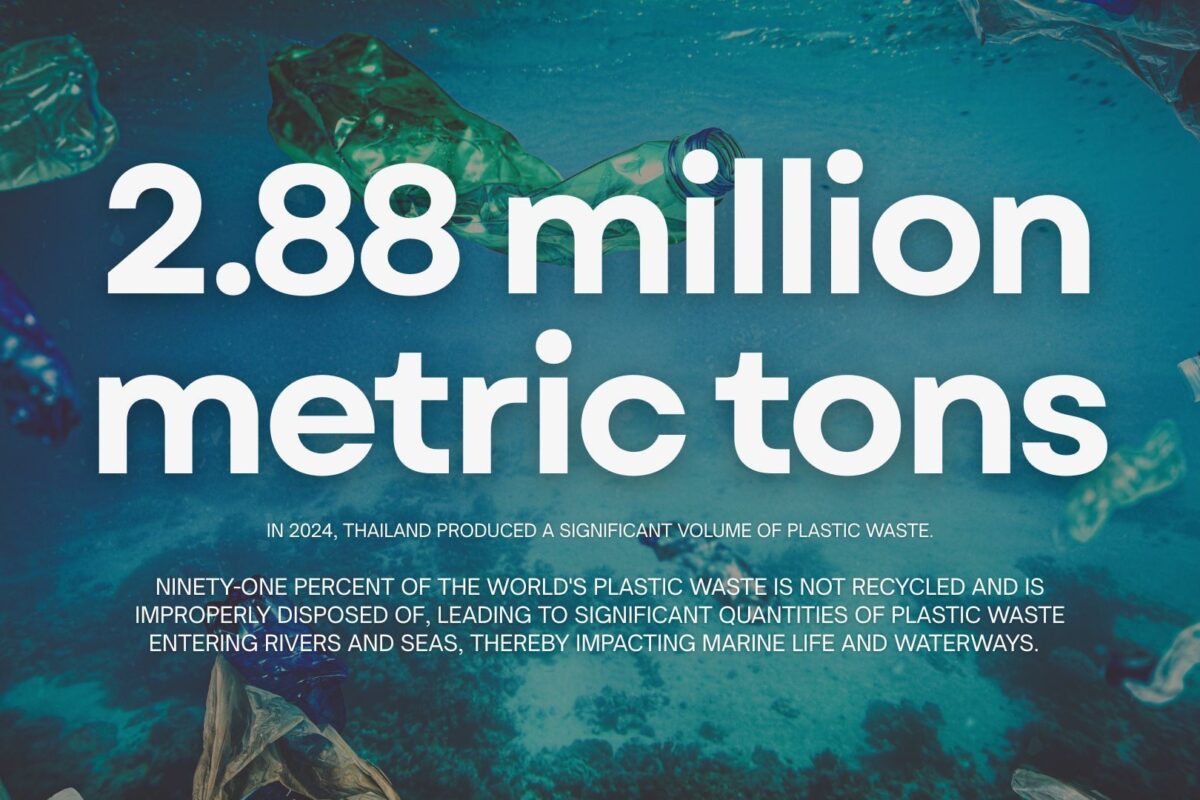
At C2, we believe environmental solutions must start at the beginning of the process, not at the end of the waste chain. By removing labels entirely, we eliminated a structural obstacle and redesigned the bottle to be 100% recyclable from day one.
How does this innovation translate into competitive advantage for C2?
Label-free packaging gave C2 a first-mover advantage across three critical areas.
Environmentally, it significantly reduces plastic waste and simplifies recycling. From a regulatory standpoint, it aligns us with future policy and international sustainability standards. And from a brand perspective, it clearly positions C2 as a company willing to act ahead of the market rather than react to it.
How do you evaluate whether this innovation has been successful?
We measure success through real-world impact, not marketing claims. That includes consumer acceptance, consistent sales growth, and recognition by government agencies as a reference model.
These indicators confirm that sustainability can be responsible and commercially sound at the same time.
How do you communicate C2’s sustainability values to consumers without relying on heavy messaging?
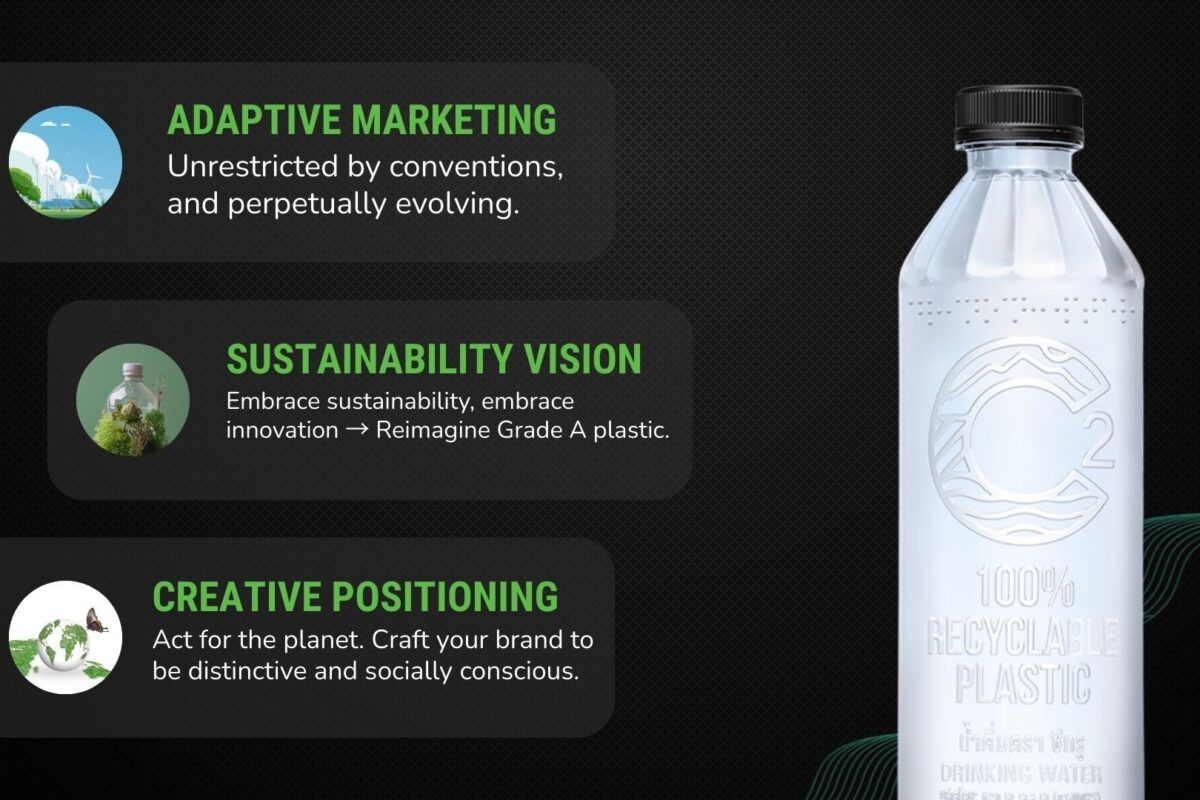
We believe actions communicate more effectively than words. Instead of selling sustainability as a narrative, we embed it directly into the product itself.
Our philosophy—dare to think, dare to act, dare to change—guides everything we do. When consumers experience the product, they understand the values without needing to be told.
Do you see broader market shifts toward sustainability as a ripple effect of C2’s initiative?
No single brand transforms an industry on its own, but real action creates momentum. By showing that label-free packaging is feasible, scalable, and accepted by consumers, C2 helped accelerate awareness and policy dialogue across the industry.
That momentum matters.
How do you view C2’s role within Thailand’s bottled water industry?
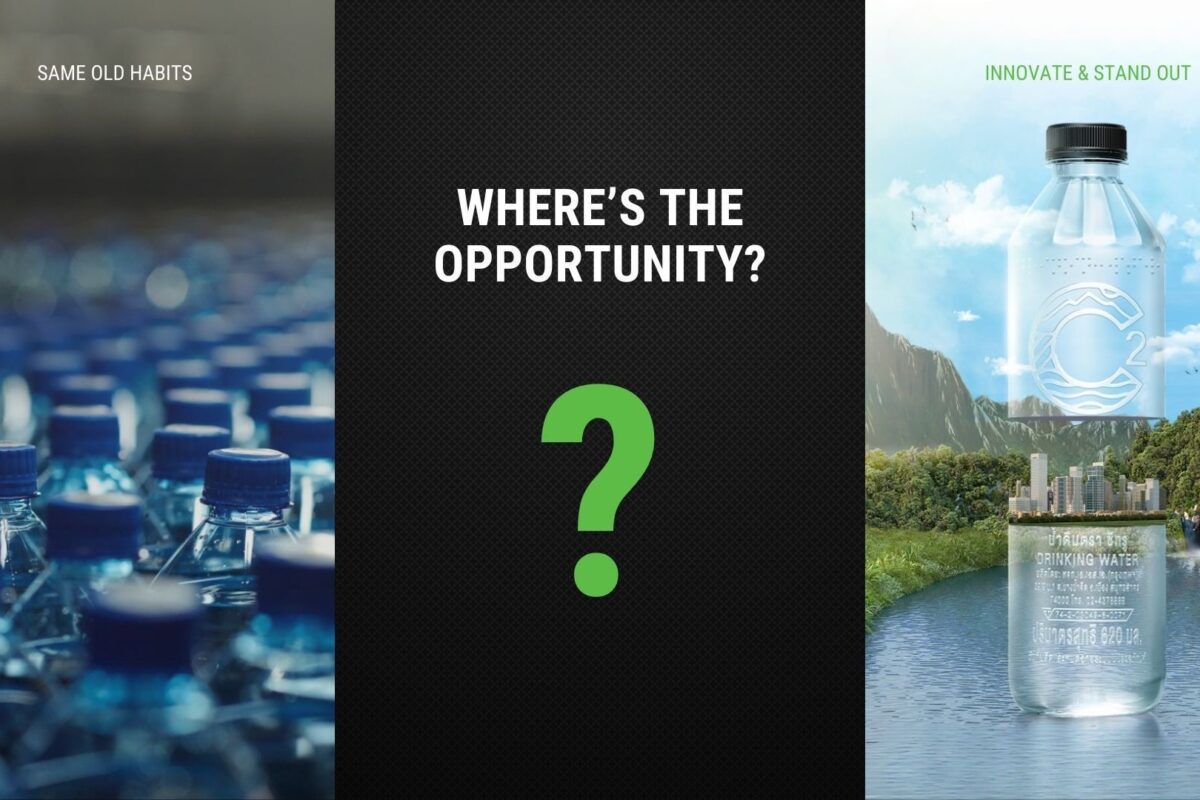
We see C2 as a pathfinder brand—one that demonstrates Thai companies can lead structural innovation, set new benchmarks, and export ideas, not just products, to the global stage.
As major brands adopt sustainability initiatives, how does C2 view growing competition?
We welcome it. When larger brands move in this direction, it validates the concept and ultimately benefits the environment.
C2 remains differentiated as the originator—backed by execution and experience, not late-stage adoption.
What distinguishes C2 from other environmentally focused water brands?
We did not start with marketing—we started with product architecture. Sustainability was not added later; it was the foundation from the very beginning.
That difference matters.
From a business perspective, do you see sustainability as a cost or an investment?
Sustainability is a long-term investment. In the future, the real cost for businesses will be failing to adapt early enough.
How does C2’s bottle design impact Thailand’s recycling ecosystem?
By removing labels, bottles can enter the recycling stream immediately. This reduces sorting time, labor costs, and contamination, increasing the economic value of recycled plastic and strengthening the entire recycling system.
What’s next for C2 in terms of circular economy initiatives?
Our next phase includes partnerships with recycling and waste-management systems, development of alternative sustainable materials, and expanding circular design principles across all C2 product lines.
What does being invited by the FDA to exhibit represent for you as a founder?
It signals that label-free packaging is no longer a niche idea—it is becoming part of the future direction of the industry. The collaboration reflects alignment between innovators and regulators working toward shared sustainability goals.
How important is government support in scaling green businesses?
Government support is essential. When policy and innovation move together, sustainability becomes scalable, measurable, and impactful.
Where do you see C2 over the next three to five years?
Our goal is for C2 to become a global reference brand for environmentally responsible bottled water—showing that Thai innovation can influence international standards.
How will C2 maintain leadership as sustainability becomes the norm rather than the exception?
Leadership requires continuous evolution. We will maintain our position through ongoing innovation, close collaboration with policymakers, and expanding label-free and circular concepts across our portfolio.
Being first is important—but staying ahead is the real mission.