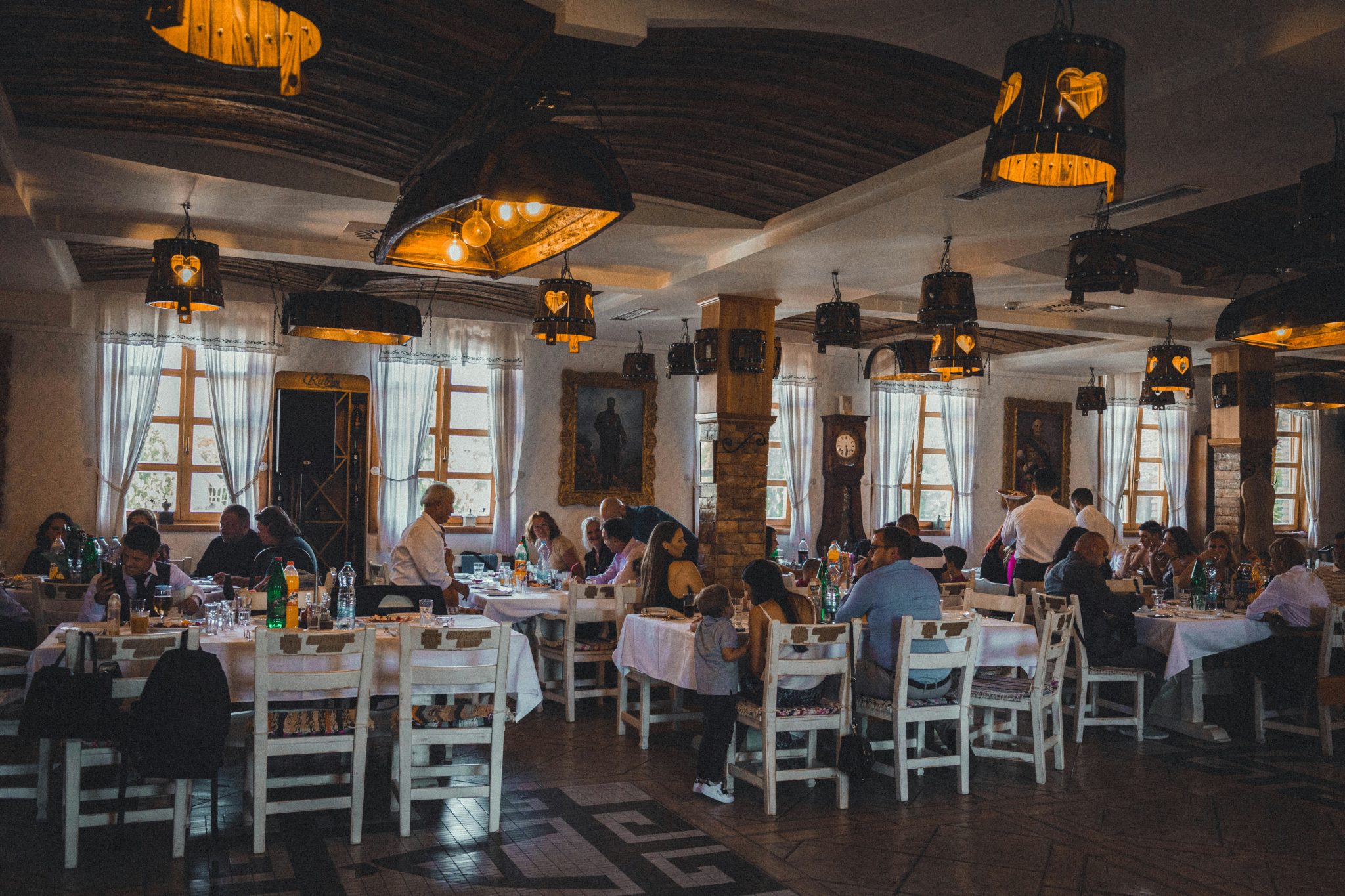
Photo by Tamara Govedarovic on Unsplash
The restaurant sector faces a critical juncture. Despite obstacles, expansion is approaching, 29% of operators intend to grow and establish new sites in 2025. However, advancing from one thriving location to multiple establishments demands a tactical equipment strategy that numerous food business owners undervalue. Equipment choices made during this vital growth stage frequently decide whether expansion prospers or collapses.
For consultants collaborating with driven restaurateurs, comprehending the equipment planning environment becomes vital for directing sustainable development. The distinction between flourishing multi-location operations and expensive expansion setbacks often depends on how effectively operators organize their equipment foundation from the beginning.
Develop Modular Equipment Strategies That Scale
The foundation of effective restaurant expansion rests on selecting equipment systems that can grow with business development. Instead of acquiring the largest available units right away, successful operators purchase modular equipment arrangements that permit gradual capacity expansion. This strategy allows restaurants to align equipment capability with real demand increases, preventing the cash flow burden of excessive investment in underused resources.
Commercial kitchen planning should emphasize adaptability through uniform equipment dimensions and compatible systems throughout locations. When restaurants employ consistent equipment manufacturers and models, they accomplish purchasing advantages, maintenance efficiencies, and training benefits. This uniformity proves especially beneficial when expanding to numerous sites, as staff can apply expertise and abilities effortlessly across facilities.
Strategic Cold Storage Infrastructure Planning
Scaling restaurants must plan their refrigeration infrastructure with future growth in mind. This particularly applies when considering high-volume storage solutions. Walk-in refrigerators are critical as restaurants expand because they provide the scalable cold storage capacity needed to handle bulk purchasing and centralized prep operations efficiently. Walk-in refrigeration units offer scalable cold storage for:
- Bulk ingredients
- Raw proteins
- Prepped items
They are typically installed near receiving areas or prep zones to facilitate easy inventory loading and ingredient retrieval.
The decision between reach-in units and walk-in systems often determines operational flexibility as restaurants scale. While reach-in refrigerators work well for individual locations with limited space, walk-in systems provide the volume capacity that supports centralized purchasing strategies and prep consolidation across multiple locations. This infrastructure choice impacts everything from supplier relationships to labor allocation across the growing restaurant network.
Technology Integration for Multi-Unit Management
Modern restaurant expansion demands equipment that connects smoothly with management technology systems. Restaurant technology can serve a vital function in ensuring expansion success, and dedicating time to identifying what’s crucial for your technology framework and implementing modifications that support your growth will guarantee restaurant achievement. Equipment featuring integrated connectivity features allows instant monitoring of performance indicators, energy usage, and maintenance requirements throughout all sites.
Intelligent equipment networks offer centralized supervision that becomes precious as restaurant chains grow. These networks can notify management about temperature variations, equipment failures, or performance problems before they affect food safety or customer experience.
The information produced by connected equipment also enables educated decision-making regarding equipment replacement timing, energy enhancement, and operational advances across the complete restaurant collection.
Future-Proofing Through Modular Design
Space optimization is a fundamental aspect of commercial kitchen planning. The layout should be designed to maximize efficiency and minimize unnecessary movement. Equipment planning for growth requires thinking beyond immediate needs. You should consider future menu expansions, concept evolution, and changing consumer preferences.
Modular equipment systems allow operators to adapt their capabilities without complete kitchen overhauls. Choosing equipment with expansion capabilities, standardized connections, and flexible configurations enables organic growth within existing footprints. This approach proves particularly valuable as successful concepts often evolve their offerings based on market feedback and changing consumer demands. Integrating a kitchen display system boosts efficiency by digitizing orders, improving communication, and enabling real-time tracking.
Endnote
Advisors who understand these equipment planning concepts offer essential direction to food business owners managing expansion. The operators who achieve success in growing their concepts are those who dedicate time and resources to tactical equipment strategy from the start, evaluating each acquisition choice through the perspective of multi-location operations rather than individual site requirements.