Ever wondered what it takes to raise a chicken from a tiny fluffball to a full-grown beauty? If you’re considering adding a Lavender Orpington to your flock, you’re in for a treat. These stunning birds are a visual delight known for their calm nature and excellent egg-laying abilities. However, raising them successfully requires understanding their growth stages and specific needs. From their first peep to their majestic adulthood, here’s what you need to know to ensure your Soft Grey Orpington thrives at every stage.
The First Few Weeks: Tiny Chicks with Big Needs
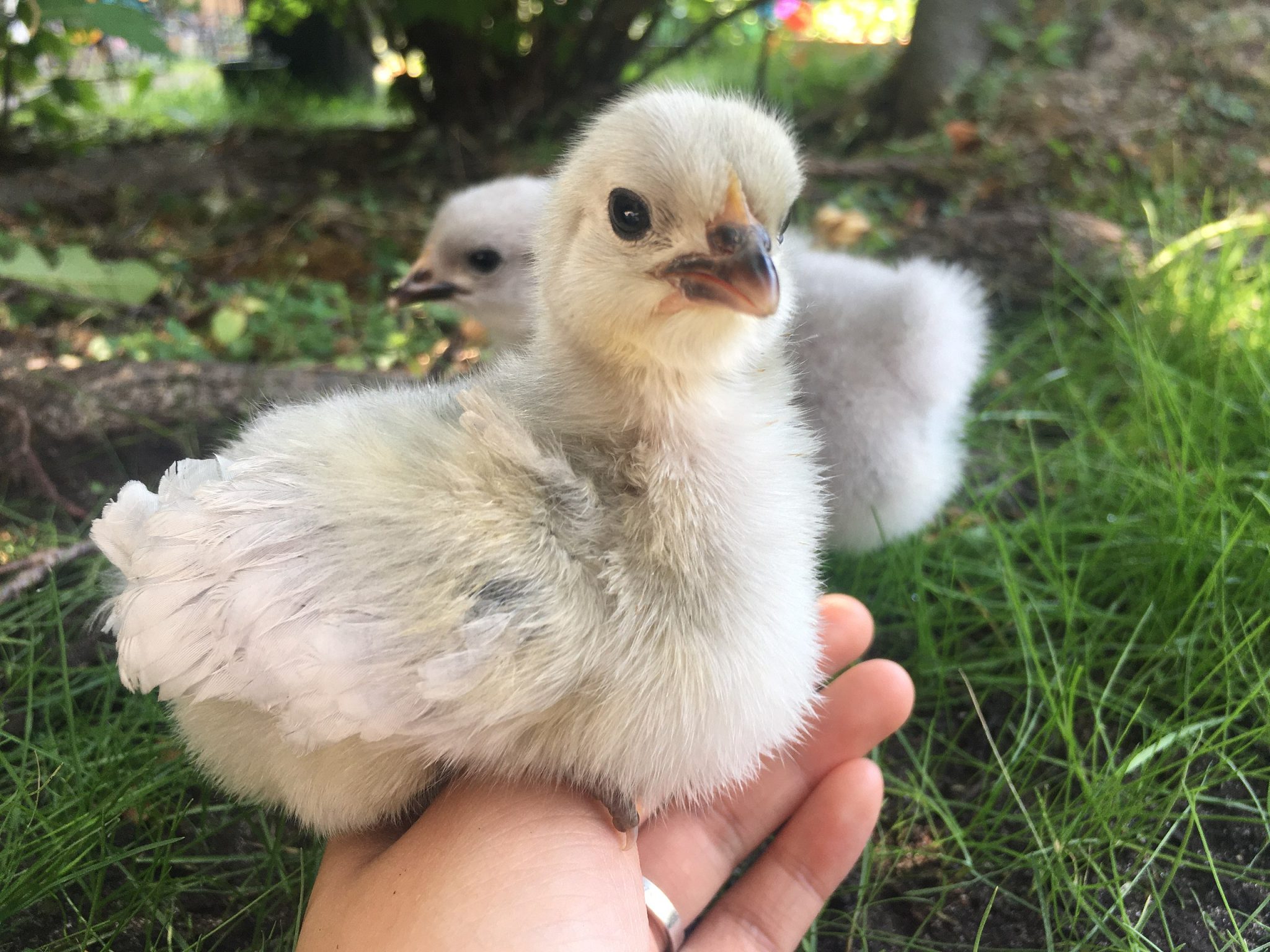
At the beginning of their lives, the fragile Lavender-Feathered Orpington chicks need total environmental support. It is vital to use a 95°F warm brooder which should later have its temperature reduced weekly. Soft bedding, fresh water, and high-quality chick starter feed are non-negotiable.
The development at this phase manifests through quick physical growth combined with the appearance of feathers, while they examine their environment. Keep an eye on their social interactions—Lavender- Plumed Orpingtons are naturally friendly, but some pecking is expected as they establish a pecking order. Widen the area between feeding resources to reduce the instances of aggressive behaviors. A simple tip? Regular daily conversation with these birds enables them to adapt to human contact that will result in better control later.
Feathering Out: The Awkward Teenage Phase
From four to eight weeks, your lustrous fuzzy baby chickens evolve into feathered adults by shedding their soft down feathers. The “teenage phase” of this development usually accompanies awkward appearance between feather and fuzz development alongside high energy levels.
You should switch their food to the grower feed since it allows them to grow steadily while restricting weight increase. Their growing size becomes the right opportunity to provide them access to larger enclosure areas. Due to appropriate weather conditions, owners should let their birds spend short durations in controlled outdoor areas to develop confidence and physical strength. The birds need constant observation outdoors since predators remain a threat.
8 to 16 Weeks: Establishing Social Bonds
Your Soft Grey Orpingtons have moved past the chick phase so their distinct characteristics become more evident to notice. The birds develop stronger flock bonds at this point, creating noticeable social structures. This phase marks the importance of proper co-op arrangements.
The coop requires proper ventilation and escape from drafts while offering adequate roosting areas for chickens. Orpingtons in Lavender are peaceful birds requiring sufficient space between them to avoid discomfort from lack of room. Nesting boxes must be introduced today since the hens will not begin laying eggs.
During this phase, continue feeding them grower feed and ensure they have access to grit to aid digestion. If you’re raising roosters, this is the time when they might start asserting dominance. Keep an eye on flock dynamics and separate any overly aggressive individuals.
16 to 24 Weeks: The Transition to Adulthood
Lavender-Plumed Orpingtons transform into mature birds during the period spanning from 16 to 24 weeks of their development. Hens start laying their eggs between week 20, but some birds require a few weeks to reach this stage. They should receive layer feed that contains plenty of calcium to help develop robust eggshells.
Male chickens will begin their vocalization routine through crowing alongside showing more protective behaviors. Multiple roosters require adequate space for their territory to prevent fighting behavior among birds. Despite their docile nature, Orpingtons in Lavender still need proper social management.
Towards the final months of development, these birds must experience daily outdoor periods and have an enclosed coop for nighttime use. Breeders should feed their Soft Grey Orpingtons kitchen scraps, garden greens, and occasional mealworm supplements, yet they need well-balanced meals to avoid egg production problems.
Thriving as Full-Grown Soft Grey Orpingtons
Your Orpington in Lavender flock members will develop their full maturity by their sixth month, making them well-rooted community members. The hens of the flock establish themselves as reliable producers of light brown eggs while roosters and hens fulfill the important responsibilities of protecting the group from predators.
At this stage of their development, you should maintain a clean coop, check for parasites, and ensure a constant supply of fresh food and unspoiled water. The thick feathers of these birds allow them to handle cold weather effectively, although they require proper shelter during severe temperatures.
The best part? Soft Grey Orpingtons display a deep affection towards people. People who interact with them regularly will find Lavender-Feathered Orpingtons naturally develop friendly behaviors, which makes them excellent pets for backyard areas. Keeping Lavender-plumed Orpingtons for egg production or as house pets is rewarding because their peaceful nature and attractive look make them delightful pets.
Caring for a Lavender Orpington broiler from babyhood to maturity results in a fulfilling journey between numerous development stages. Understanding their needs in every developmental phase leads to the attainment of contented, strong birds that will prosper within your flock.