Start with the workout, not the catalog
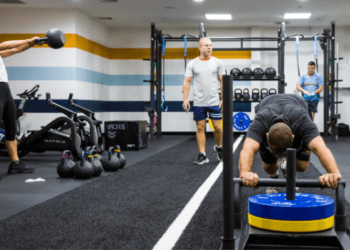
A useful setup matches a repeatable plan: 3 or 4 moves, done 2 or 3 times per week, with clear progress. A simple core kit can stay compact by using Kensui weight training gear to support a clean progression without turning the room into a storage unit. The goal is fewer decisions before each session, not more options.
Pick one primary pattern for each: push, pull, squat or hinge, and carry or core. Then choose equipment that lets those patterns stay consistent even when energy is low. Consistency beats novelty when the week gets busy.
Small details can block consistency. If a move needs a special attachment, it tends to get skipped on rushed days. Tools that work with standard plates and simple anchors keep the routine intact.
Time math: a small weekly dose still counts
Short strength work can still pay off when it is regular and focused. Stronger by Science has noted that the biggest drops in health risk show up around 30 to 60 minutes of resistance training per week, which fits into 2 quick sessions. That range is not a magic spell; still, it reframes the target as doable.
The time saver is the setup speed. A tool that is ready in 30 seconds beats a tool that needs 10 minutes of fiddling. When setup is fast, warmups stay simple, and workouts stay inside the time box. A timer helps, since the clock keeps the rest honest.
The hidden price of “cheap” gear
Low-cost gear can cost more when it breaks, slips, or forces awkward positions. A wobbling bench or a loose adjustable part turns a good set into a cautious set. Cautious training often drifts into skipped sessions. Replacement parts and return shipping can add up fast.
Gym costs climb, too, which changes the math of “just use a membership.” The Health and Fitness Association reported average monthly dues rising 9% in 2023 to $65, with memberships reaching 72.9 million. Commute time and parking can raise the real cost beyond dues. A home setup does not need to replace a gym, but it can cut the need for extra add-on spending.
What does a realistic home setup cost?
Sticker shock is real, so it helps to name a range. A Hydrow guide put home gym costs from about $300 on the low end to $5,000 or more on the high end, depending on goals and space. That spread is wide, so planning matters more than chasing the perfect list.
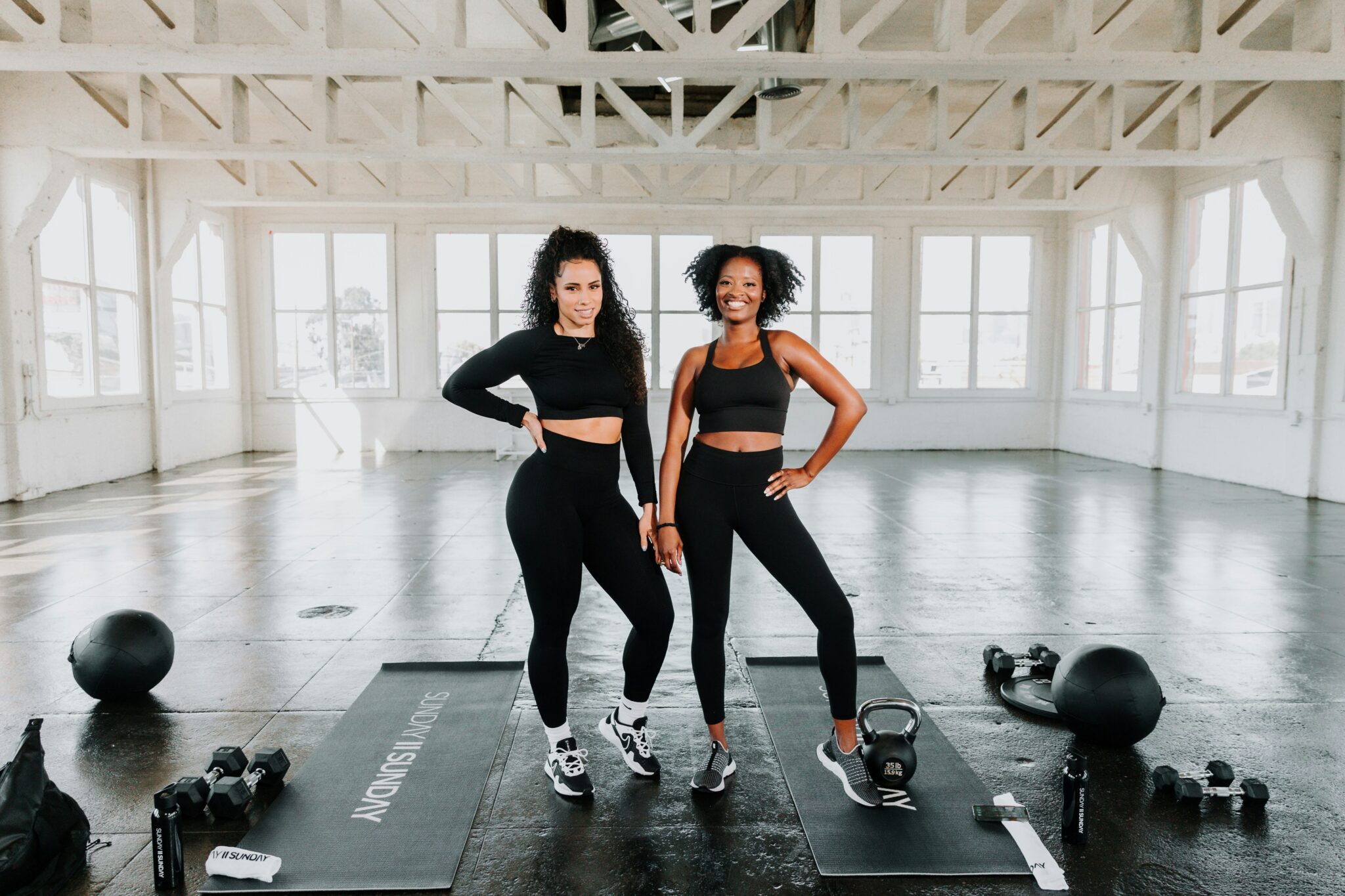
A smart start is the “minimum effective kit” that trains the whole body: one way to load, one way to pull, and one stable surface or anchor point. Upgrades should solve a clear problem, like a lack of load, grip pain, or limited range of motion.
Budget works best in phases. A first phase can be the smallest kit that supports 3-4 weeks of training, paired with notes on what feels missing. Next, adding 1 piece at a time with a clear job keeps spending controlled.
Pick equipment that scales without clutter
Scaling matters more than variety. The best pieces grow with strength levels and do not demand a new purchase every month. Adjustable loading, solid contact points, and simple storage keep the room usable.
A short checklist helps before buying:
- Can load increase in small steps, as 2-5 lb jumps?
- Is the grip neutral or flexible for wrists and elbows?
- Does it work for more than 1 pattern without weird angles?
- Can it be stored in under 2 minutes, without blocking doors?
Space is part of the budget. Gear that folds, hangs, or stacks stays out of the way, which keeps sessions calm. If the setup requires moving 6 items, the habit gets shaky.
If a tool fails 2 items on the list, it may still be fun, but it is less likely to earn a long spot in the routine.
Safety and durability checks before day 1
Safety starts with basics: stable contact points, predictable movement, and clear limits. A training tool should feel boring in the best way, with no surprise shifts under load. If a part clicks, rattles, or flexes, it is a signal to slow down and reassess.
Durability protects time and money. Look for simple designs, fewer moving parts, and materials that hold shape. A calm setup helps form stay tidy, which protects joints across many sessions.

Good equipment does 2 things: it makes starting easy, and it makes progress measurable. When those are covered, training fits into life instead of fighting it.
The best choice is the one that matches real weeks, not perfect weeks. A small setup that gets used beats a big setup that turns into clutter.