In today’s competitive fashion industry, visuals are more powerful than ever. Before a customer reads a product description or checks the price, they form an impression based on imagery. This makes fashion photography poses for brands a critical element in shaping identity, boosting engagement, and driving conversions. The right pose can communicate luxury, comfort, confidence, or creativity in a single frame.
This guide explores the most effective fashion photography poses for brands, explains how to align poses with brand identity, and offers practical insights for campaigns, lookbooks, and eCommerce.
Why Fashion Photography Poses Matter for Branding
Fashion photography is more than capturing clothing; it is about storytelling. Poses determine how garments fit, move, and feel. A strong pose can:
-
Highlight fabric quality and design details
-
Evoke emotions that align with brand values
-
Influence purchasing decisions
-
Improve consistency across marketing platforms
For brands, selecting the right poses ensures that collections resonate with the intended audience and stand out in a crowded digital landscape.
Understanding Brand Identity Before Choosing Poses
Before planning poses, brands must define their visual language. Are you minimal and refined, bold and expressive, or relaxed and lifestyle-driven? Each identity requires a different posing approach.
Luxury brands often use controlled, elegant poses with minimal movement. Streetwear brands prefer raw, dynamic stances. Sustainable or lifestyle labels focus on natural, effortless poses that feel authentic and relatable.
When poses align with identity, photography becomes instantly recognizable and memorable.
Essential Fashion Photography Poses for Brands
1. Classic Standing Poses
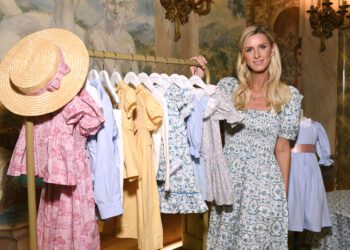
Standing poses are timeless and versatile. Models stand upright with relaxed shoulders, allowing garments to fall naturally. These poses are ideal for catalog shoots, websites, and product listings where clarity is essential.
2. Walking and Movement Poses
Movement brings clothing to life. Walking, turning, or mid-step poses showcase flow, drape, and fabric behavior. These poses work exceptionally well for dresses, coats, and wide-leg trousers.
3. Seated and Relaxed Poses
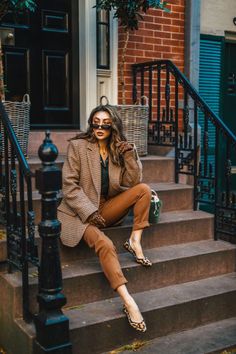
Seated poses add a sense of ease and sophistication. They are commonly used for editorial shoots and lifestyle branding. A relaxed posture helps customers imagine themselves wearing the outfit in everyday situations.
4. Close-Up and Detail-Focused Poses
Close-up poses highlight craftsmanship, textures, stitching, and accessories. These shots build trust and justify premium pricing by showcasing quality details.
5. Editorial and Expressive Poses
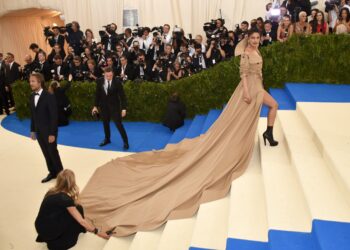
Editorial poses involve exaggerated angles, dramatic expressions, and artistic compositions. Brands use these for campaigns, magazine features, and seasonal launches to create visual impact and storytelling depth.
Posing Strategies Based on Fashion Category
Different fashion segments require different posing techniques. Choosing poses based on the product category enhances visual clarity and brand appeal.
Table: Fashion Categories and Recommended Poses
| Fashion Category | Recommended Poses | Purpose |
|---|---|---|
| Luxury Wear | Upright, minimal movement | Emphasizes elegance and exclusivity |
| Streetwear | Dynamic, casual stances | Highlights attitude and urban culture |
| Activewear | Athletic and action poses | Demonstrates flexibility and performance |
| Casual Wear | Relaxed, lifestyle poses | Feels approachable and wearable |
| Formal Wear | Structured, confident poses | Showcases tailoring and fit |
Model Direction Tips for Consistent Brand Imagery
Even the best concept can fail without proper direction. Brands should communicate clearly with models to ensure consistency across shoots.
Key tips include:
-
Provide reference images or mood boards
-
Maintain consistent posture and expression styles
-
Avoid over-posing that distracts from clothing
-
Focus on natural body language for authenticity
Consistency in poses builds visual cohesion across websites, social media, and advertising campaigns.
Fashion Photography Poses for eCommerce vs Campaigns
eCommerce Poses
eCommerce photography prioritizes clarity and accuracy. Poses should be neutral, front-facing, and standardized to help customers evaluate fit and proportion. Overly creative poses may confuse buyers or hide important details.
Campaign and Editorial Poses
Campaign shoots allow more freedom. Creative poses, dramatic angles, and storytelling elements help brands emotionally connect with audiences and strengthen brand positioning.
Balancing both styles ensures commercial success while maintaining creative appeal.
Maximizing Engagement on Social Media Through Posing
Social media demands attention within seconds. Strong poses can stop scrolling and encourage interaction. Asymmetrical poses, candid movement, and expressive gestures perform particularly well on platforms focused on visual storytelling.
Strategic posing also complements broader marketing efforts, such as content aligned with lifestyle messaging, seasonal trends, and even budget friendly fashion shopping tips when brands aim to connect with value-conscious audiences.
Common Mistakes Brands Should Avoid
-
Using generic poses that lack personality
-
Ignoring body diversity and inclusivity
-
Over-editing images that distort fit
-
Inconsistent posing across collections
Avoiding these mistakes helps brands maintain authenticity and customer trust.
The Role of Diversity and Inclusivity in Fashion Posing
Modern consumers expect representation. Brands should feature diverse body types, ages, and backgrounds, using poses that celebrate individuality rather than conceal it. Inclusive posing not only reflects social values but also expands market reach.
Future Trends in Fashion Photography Poses
Emerging trends include:
-
More candid, documentary-style poses
-
Movement-focused shots for digital platforms
-
Minimalist posing with strong emotional expressions
-
Hybrid lifestyle and studio poses
Brands adopting these trends can stay visually relevant while maintaining their unique identity.
Frequently Asked Questions (FAQs)
What are the most effective fashion photography poses for brands?
The most effective poses align with brand identity and product type. Classic standing poses work well for eCommerce, while movement and editorial poses are ideal for campaigns and social media.
How do poses affect brand perception?
Poses influence how customers perceive quality, style, and lifestyle. Strong, confident poses suggest premium value, while relaxed poses feel approachable and casual.
Should brands use professional models or real people?
Both work depending on the brand. Professional models offer consistency and control, while real people enhance authenticity and relatability.
How many poses should a brand use per product?
For eCommerce, 3–5 consistent poses are ideal. Campaigns may use more variations for storytelling and visual impact.
Can posing improve conversion rates?
Yes. Clear, flattering, and informative poses help customers visualize the product, reducing uncertainty and increasing purchase confidence.
Final Thoughts
Fashion photography poses for brands are not just aesthetic choices; they are strategic tools that shape perception, tell stories, and influence buying behavior. By aligning poses with brand identity, product category, and platform requirements, brands can create visuals that resonate, convert, and endure.