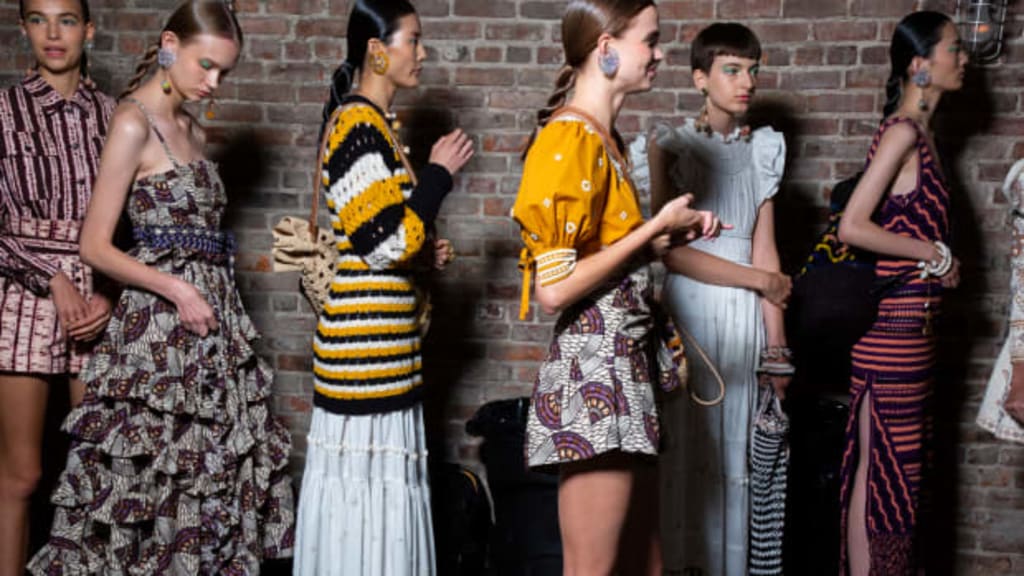
Starting your fashion journey can feel overwhelming, especially with endless trends, brands, and styles available today. A clear fashion buying guide for beginners helps you make confident choices, avoid unnecessary purchases, and build a wardrobe that suits your lifestyle and personality. With the right approach, fashion becomes less about following trends and more about smart, intentional shopping.
This guide covers essential tips, must-have pieces, budgeting advice, and common mistakes to help beginners shop fashion the right way.
Understand Your Personal Style
Before buying anything, take time to understand what you like and what makes you feel comfortable. Personal style is shaped by lifestyle, body type, climate, and daily activities.
Ask yourself:
-
Do I prefer casual, formal, or mixed outfits?
-
What colors do I feel most confident wearing?
-
Do I like minimal looks or bold statement pieces?
Identifying your style early prevents impulse buying and helps create a cohesive wardrobe.
Start With Wardrobe Basics
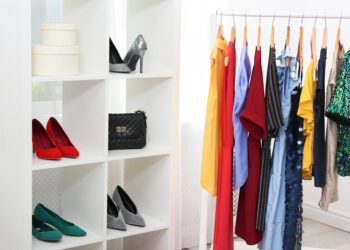
Every beginner should invest in timeless basics that can be mixed and matched easily. These items form the foundation of your wardrobe.
Essential Clothing Items
-
Neutral t-shirts and tops
-
Well-fitted jeans or trousers
-
A classic jacket or blazer
-
Comfortable everyday shoes
-
Simple dresses or shirts for formal occasions
These staples allow you to create multiple outfits without owning excessive clothing.
Focus on Fit Over Trends
Fit is more important than brand names or current trends. Clothes that fit well instantly look stylish and polished.
Tips for beginners:
-
Try clothes on before purchasing whenever possible
-
Avoid buying items that feel uncomfortable or restrictive
-
Tailoring simple pieces can significantly improve your look
A good fit enhances confidence and ensures long-term wearability.
Learn About Fabrics and Quality
Understanding fabrics helps you buy clothes that last longer and feel better.
-
Cotton and linen are breathable and ideal for everyday wear
-
Wool and blends are great for colder seasons
-
Stretch fabrics provide comfort and flexibility
Check stitching, seams, and fabric thickness to assess quality before purchasing.
Build a Balanced Color Palette
Beginners should start with neutral colors such as black, white, beige, navy, and gray. These shades are easy to mix and match.
Once basics are in place, gradually add accent colors or prints. You can also explore cultural styles, including traditional clothing with modern fashion twist, to introduce uniqueness while maintaining balance.
Set a Budget and Shop Smart
Fashion doesn’t require spending a lot of money. Setting a budget helps you prioritize quality over quantity.
Smart shopping tips:
-
Invest more in basics you’ll wear often
-
Look for sales on classic items
-
Avoid buying trendy pieces you won’t wear long-term
Mindful spending helps you build a functional wardrobe without financial stress.
Accessories Make a Difference
Accessories can transform simple outfits into stylish looks. Beginners should start with:
-
A versatile bag
-
Neutral belts
-
Minimal jewelry
-
Comfortable yet stylish footwear
Accessories allow you to refresh outfits without constantly buying new clothes.
Common Fashion Buying Mistakes to Avoid
-
Buying clothes without considering your existing wardrobe
-
Choosing trends over comfort and fit
-
Purchasing low-quality items just because they’re cheap
-
Ignoring care instructions and fabric durability
Avoiding these mistakes saves money and prevents wardrobe clutter.
Grow Your Style Gradually
Fashion is a journey, not a race. As a beginner, allow your style to evolve naturally. Experiment slowly, learn what works for you, and refine your wardrobe over time. Confidence grows as you understand your preferences and make informed choices.
Final Thoughts
A fashion buying guide for beginners focuses on smart choices, quality basics, proper fit, and intentional shopping. By understanding your personal style, investing in essentials, and avoiding impulse purchases, you can build a wardrobe that is stylish, practical, and long-lasting. With patience and thoughtful buying, fashion becomes an enjoyable and empowering part of everyday life.