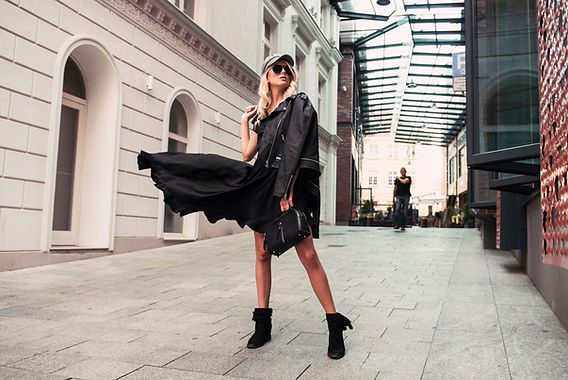
Building a personal style is not about blindly following trends or copying influencers. It is about understanding who you are, what makes you comfortable, and how you want to present yourself to the world. Strong personal style evolves over time, reflects individuality, and helps you feel confident in any setting. With the right fashion advice, anyone can develop a wardrobe that feels authentic, functional, and stylish.
This guide covers practical and timeless fashion advice for building personal style, whether you are starting from scratch or refining what you already own.
Understanding What Personal Style Really Means
Personal style is a visual expression of your personality, lifestyle, and preferences. It goes beyond clothing to include colors, textures, fits, and accessories that consistently represent you. Unlike fast-changing fashion trends, personal style is long-lasting and adaptable.
When your wardrobe aligns with your identity, dressing becomes easier and more intentional. Instead of asking, “Is this fashionable?” you begin to ask, “Does this feel like me?”
Start With Self-Discovery
The foundation of personal style starts with self-awareness. Before buying new clothes, take time to analyze your lifestyle, body type, and daily needs.
Ask yourself:
-
What clothes do I feel most confident wearing?
-
Do I prefer comfort, structure, or a mix of both?
-
What colors do I naturally gravitate toward?
-
What kind of environments do I dress for daily?
Understanding these answers will help you avoid impulse purchases and build a wardrobe that supports your real life.
Define Your Style Inspiration
Finding inspiration does not mean copying outfits exactly. Instead, look for patterns in what attracts you. This could come from street style, fashion editorials, movies, or even people you admire in real life.
Save images of outfits you love and look for similarities. You may notice recurring elements such as neutral colors, oversized silhouettes, minimal accessories, or classic tailoring. These patterns give clues about your emerging personal style.
Build a Strong Wardrobe Foundation
A well-built wardrobe starts with versatile basics. These are the pieces you can mix and match easily while still expressing your personality.
Key foundational items often include:
-
Well-fitted jeans or trousers
-
Neutral tops and layering pieces
-
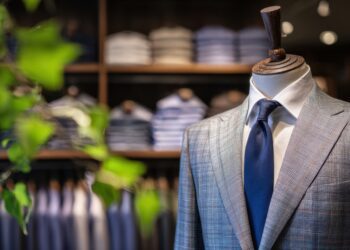
A reliable jacket or blazer
-
Comfortable yet stylish footwear
When choosing fabrics, consider your climate and comfort. Lightweight materials, including options inspired by Breathable Fabrics for Hot and Humid Climates, help maintain comfort while still looking polished.
Use Color and Fit to Your Advantage
Color plays a powerful role in defining personal style. Some people feel confident in bold shades, while others prefer muted tones. Choose colors that complement your skin tone and feel natural to wear.
Fit is equally important. Even the most expensive outfit can look unflattering if it does not fit properly. Tailoring can transform simple clothing into pieces that look custom-made. Understanding what silhouettes flatter your body will elevate your overall appearance instantly.
Experiment Without Pressure
Personal style is not fixed. It evolves with age, lifestyle changes, and personal growth. Allow yourself to experiment with new cuts, textures, and accessories.
Try one new element at a time, such as:
-
A statement accessory
-
A different shoe style
-
A new layering technique
This approach keeps experimentation manageable and prevents you from feeling overwhelmed.
Balance Trends With Timeless Pieces
Trends can be fun, but relying on them too heavily can make your wardrobe feel outdated quickly. The key is balance.
Invest in timeless staples that work year after year, then add trend-driven pieces sparingly. This ensures your personal style remains relevant without losing its identity.
Build Consistency Through Repetition
One of the most overlooked fashion tips is repetition. Wearing similar silhouettes, colors, or accessories creates a recognizable style signature. Consistency does not mean boredom; it means refinement.
Over time, people begin to associate certain looks with you, strengthening your personal brand and confidence.
Personal Style Wardrobe Guide
| Style Element | Purpose | How to Apply |
|---|---|---|
| Neutral Basics | Create versatility | Choose black, white, beige, or navy |
| Statement Pieces | Show personality | Add bold jackets, shoes, or accessories |
| Proper Fit | Enhance appearance | Tailor key garments |
| Color Palette | Maintain cohesion | Stick to 3–5 core colors |
| Comfort Focus | Support daily wear | Prioritize wearable fabrics |
Avoid Common Personal Style Mistakes
Many people struggle with personal style because of avoidable mistakes. These include buying clothes for an imagined lifestyle, ignoring fit, or following trends that do not suit them.
Another common mistake is having too many items that do not work together. A cohesive wardrobe allows you to create multiple outfits from fewer pieces.
Confidence Is the Final Touch
No outfit works without confidence. Personal style is less about perfection and more about authenticity. When you feel comfortable and confident in what you wear, it naturally enhances your presence.
Confidence grows as you understand your preferences and stop dressing for approval. The more aligned your wardrobe is with who you are, the stronger your style becomes.
FAQs
How long does it take to build a personal style?
Building personal style is an ongoing process. Some clarity can develop within months, but refinement happens over years as preferences evolve.
Do I need to follow fashion trends to have style?
No. Personal style focuses on individuality. Trends can be incorporated selectively but should never define your entire wardrobe.
Can personal style change over time?
Yes. Lifestyle changes, career shifts, and personal growth often influence style evolution, which is completely natural.
Is building personal style expensive?
Not at all. A thoughtful approach, quality basics, and smart purchases can create a strong wardrobe on any budget.
How do I know if something fits my personal style?
If it feels comfortable, aligns with your lifestyle, and you enjoy wearing it repeatedly, it likely fits your personal style.
Final Thoughts
Fashion advice for building personal style centers on self-awareness, consistency, and confidence. Rather than chasing every trend, focus on understanding what works for you and why. A well-defined personal style simplifies daily dressing, saves money, and strengthens self-expression.