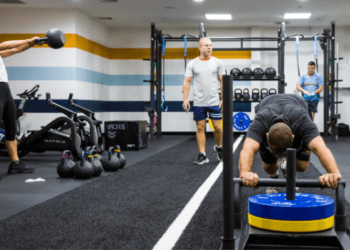
Injuries, whether they are from sports, accidents, or medical complications, can significantly disrupt a person’s quality of life. Rehabilitation plays a crucial role in restoring function and enhancing recovery. Not all rehabilitation plans are the same. Successful rehabilitation strategies adhere to core principles that ensure efficiency and effectiveness. Understanding these principles can empower individuals to take charge of their recovery process and help healthcare providers design specialized rehabilitation plans tailored to each patient’s needs. Exploring these principles will provide valuable insights into crafting injury rehabilitation plans that yield optimal outcomes for individuals.
Individualized Assessment and Planning
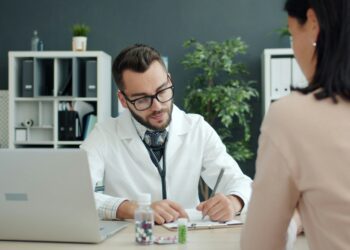
One primary tenet of effective rehabilitation encompasses individualized assessment and personalized planning. Each injury presents unique challenges and requires tailored approaches to address the specific deficiencies faced by the patient. A comprehensive evaluation should be undertaken, including physiological, psychological, and functional assessments. This allows healthcare providers to pinpoint the exact areas of concern and design rehabilitation protocols that focus on achieving the patient’s goals. A personalized rehabilitation plan for an athlete recovering from a knee injury will differ substantially from a plan for an elderly individual with a hip replacement.
Beyond the clinical assessment, understanding patients’ social, emotional, and economic backgrounds is crucial in tailoring rehabilitation plans. An additional layer is the concept of having legal help by your side. Navigating the complexities of insurance claims, liability issues, and patient rights often requires professional guidance to ensure fair treatment and proper support throughout the process, as this Personal injury attorney in Flint Michigan explains. A holistic approach to assessment will ensure that rehabilitation strategies address all aspects of recovery, setting a solid foundation for the rehabilitation journey.
Goal Setting and Progress Tracking
Setting clear, achievable goals is imperative in any rehabilitation plan. Establishing specific, measurable, attainable, relevant, and time-bound (SMART) goals provides direction and a sense of purpose throughout the rehabilitation process. As patients work toward their goals, evaluating progress regularly allows them to remain motivated and engaged. This iterative feedback loop serves to enhance motivation and morale, and adjustments can be made to ensure that rehabilitation plans remain effective in meeting the patient’s evolving needs.
Tracking progress helps identify roadblocks and setbacks during recovery, allowing rehabilitation teams to implement changes proactively. Using various measuring tools and techniques, such as outcome measures, functional assessments, and patient self-reports, offers invaluable insights into the effectiveness of the rehabilitation plan. A physical therapist might utilize functional assessments to gauge improvements in range of motion or strength in a patient who has undergone surgery. Consistent tracking facilitates timely interventions that may optimize rehabilitation outcomes and adjust expectations when needed.
Interdisciplinary Collaboration
Another critical element in the development of effective rehabilitation plans is fostering interdisciplinary collaboration among healthcare professionals. Rehabilitation encompasses a myriad of specialties, including physical therapy, occupational therapy, psychology, and nutritional counseling, to name a few. Each professional brings unique expertise to the table in addressing safety, procedural, and law-enforcement considerations that can intersect with patient care, contributing to a comprehensive understanding of the patient’s rehabilitation needs. Collaborative efforts can lead to enhanced treatment efficacy and improved patient outcomes.
Involving an entire spectrum of professionals allows healthcare providers to address the multifaceted nature of injuries properly. A patient dealing with an injury related to chronic pain may benefit from psychological support to address emotional triggers of their pain and discomfort. Nutritionists can provide valuable information regarding the healing process, as optimal nutrition contributes to tissue repair and recovery. By fostering effective communication between all members of the rehabilitation team, it becomes possible to provide coordinated care, streamline services, and maximize the benefits of rehabilitation protocols.
Education and Self-Management Strategies
Empowering patients with knowledge is fundamental to successful rehabilitation. Education equips them with the tools necessary to manage their recovery and reduces dependence on healthcare providers. When patients understand the nature of their injuries, the rehabilitation strategies involved, and expected outcomes, they become active participants in their recovery. This fosters a sense of ownership and responsibility that contributes to improved adherence to rehabilitation protocols. Self-management strategies may include stress-reduction techniques, pain management approaches, and practical skills for integrating rehabilitation exercises into daily routines.
Through education, patients can learn the importance of maintaining a healthy lifestyle, engaging in regular physical activity, and following prescribed rehabilitation exercises outside clinical settings. Programs that incorporate educational workshops, group sessions, or multimedia resources can significantly enhance patients’ understanding, promote sustained behavioral changes, and encourage accountability throughout the rehabilitation journey.
Use of Evidence-Based Practices
Applying evidence-based practices is vital for the formulation of effective injury rehabilitation plans. This approach utilizes the latest research and clinical guidelines to inform decision-making while selecting therapeutic interventions. Employing evidence-based strategies ensures that rehabilitation protocols are grounded in the best available information, enhancing their effectiveness and improving patient outcomes. Healthcare providers should consistently review current literature, research studies, and professional guidelines relevant to their practice area.
By integrating these principles into their rehabilitation plans, providers can stay ahead of developments in the field, adopting the best available modalities and techniques. Advancements in physical therapy modalities or assistive technologies may significantly improve rehabilitation outcomes for specific injuries. Utilizing a foundation of evidence-based research allows practitioners to take informed, best-practice approaches when constructing rehabilitation plans and delivering care for their patients.
Holistic Approach to Mental and Emotional Well-being
Injuries do not solely affect physical well-being. They pose emotional and psychological challenges that require attention. A holistic approach to rehabilitation acknowledges the interconnectedness of mind and body. Mental health impacts recovery. Individuals dealing with anxiety, depression, or stress may struggle to adhere to rehabilitation protocols effectively. Recognizing the significance of emotional resilience and mental support can enhance recovery and optimize rehabilitation outcomes.
Incorporating mental health professionals into the rehabilitation team allows for a comprehensive understanding of patients’ emotional struggles. Access to counseling, therapy, or support groups can provide individuals with coping strategies that alleviate stress and promote positive mental health. Relaxation techniques, mindfulness training, and cognitive-behavioral strategies can empower patients to manage emotional challenges, ultimately enabling them to focus on recovery. Through a concerted emphasis on mental and emotional well-being, rehabilitation programs can enhance patients’ experiences and facilitate more comprehensive recovery.
Creating a Supportive Environment
The setting in which rehabilitation occurs contributes significantly to its success. A supportive environment fosters motivation, encouragement, and social connections, all important elements for recovery. Positive reinforcement from family members, friends, and support networks can significantly impact patients’ attitudes toward adherence to rehabilitation protocols. Individuals often heal and thrive when they feel supported and understood by those around them.
Support may also extend into the legal sphere, particularly when patients face disputes related to injury circumstances or access to benefits. The involvement of legal professionals, and in some situations the guidance of a judge, can provide clarity and assurance that patients are receiving fair treatment. This broader sense of support complements medical care, reinforcing patients’ resolve to persevere throughout their rehabilitation.
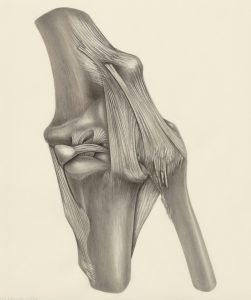
Effective injury rehabilitation plans are built on principles that go beyond treating the physical symptoms of an injury. By focusing on individualized assessment, clear goal setting, interdisciplinary collaboration, patient education, evidence-based practices, mental well-being, and supportive environments, healthcare providers can create strategies that address the full scope of a patient’s needs. These approaches help individuals regain confidence and independence. When rehabilitation is thoughtfully designed and implemented, it lays the foundation for lasting recovery and a return to a more fulfilling quality of life.