Energy use in the commercial kitchen often climbs faster than the operator expects, while refrigeration is one of the major contributors. Choosing equipment that balances capacity, efficiency, and footprint will be key in controlling the long-term costs. Small to medium business owners and procurement managers have to strike a balance between choosing systems to support the daily workflow without consuming unnecessary energy or square footage.
Walk-in vs. Reach-in Coolers: Which is Right for Your Business?
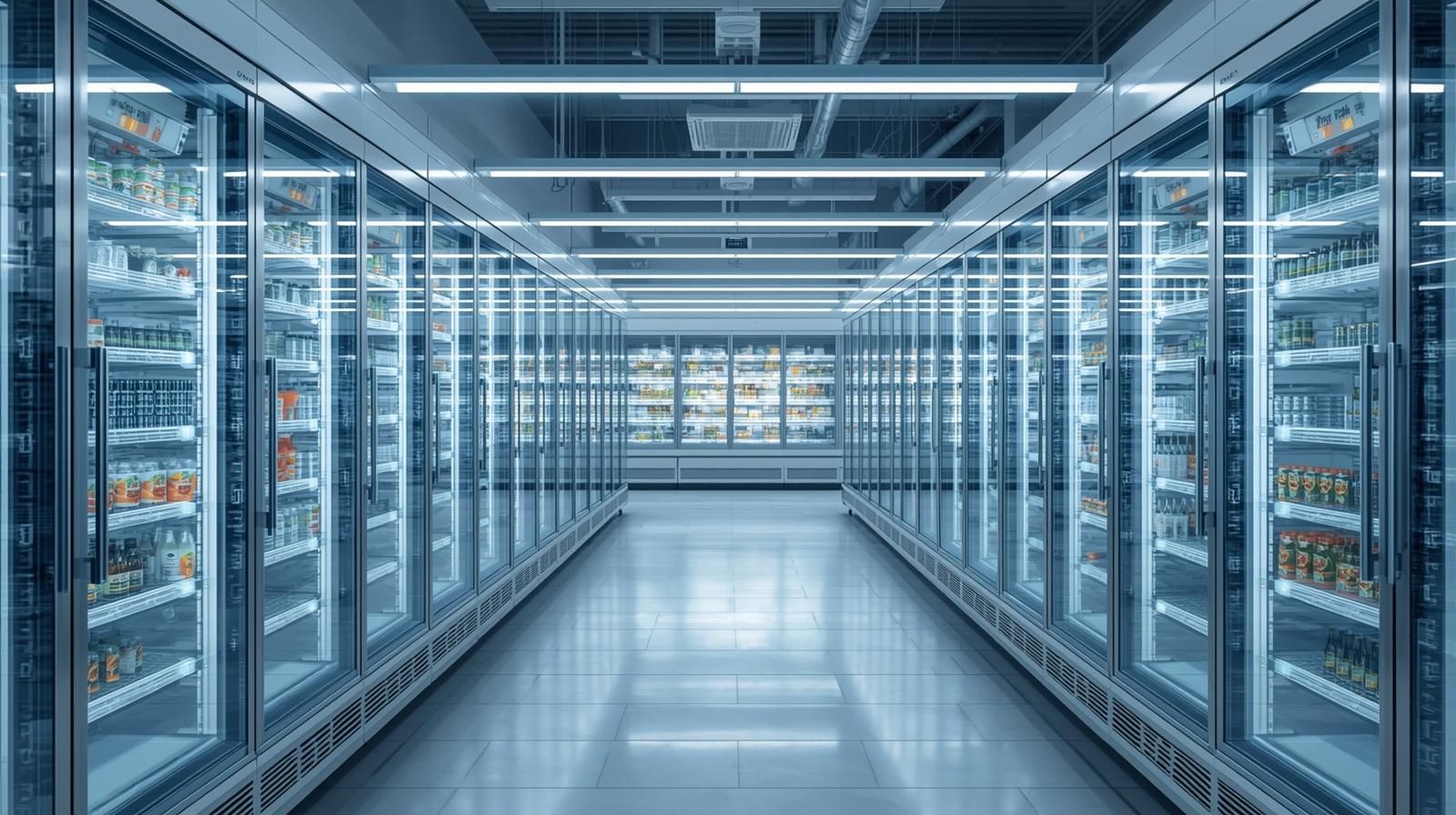
Understanding the difference between walk-in and reach-in refrigeration helps in choosing commercial refrigeration that fits both operational and financial goals. Each option serves a different storage strategy and layout requirement.
Walk-in Coolers:
- Provide high-volume storage with flexible shelving configurations.
- Allow staff to arrange bulk products efficiently.
- Take up more floor space and require professional installation, but are lower in cost per cubic foot.
Reach-in Coolers:
- Ideal for fast access during service periods.
- Occupy minimal space and work well in compact kitchens.
- Typically have higher energy consumption per cubic foot but offer strong temperature recovery.
This will help determine which option provides the best balance between functionality and energy use, evaluated against daily product turnover, menu scale, and available space.
Calculating Total Cost of Ownership for Refrigerators
While many companies make decisions strictly on the upfront price, TCO offers a real financial view. In this calculation, factors such as energy consumption, frequency of maintenance, component longevity, and projections of repair costs come into play. High-efficiency compressors, adaptive defrost systems, and quality insulation often decrease the overall long-term expense.
The ability to track annual kilowatt-hour usage and expected equipment longevity allows a procurement manager to project what a realistic payback period can be. This more organized approach prevents surprises in the future and ensures that the unit chosen will fit budget planning and operational needs for a full lifecycle.
How Proper Ventilation Extends Equipment Lifespan
Refrigeration units need unimpeded airflow around them to avoid rapid loss of heat exchange and compressor stability. Poor ventilation leads to a build-up of warm air around the equipment, making the compressor run harder, speeding up its wear. Sufficient clearance, clean condenser coils, and unblocked exhaust pathways ensure consistent temperature regulation.
Even in tight kitchens, a little boost in air circulation can lower energy load. Ventilation should be verified during installation and regularly evaluated as kitchen layout changes occur, ensuring the system operates at the intended efficiency level.