Being a single parent comes with unique financial responsibilities and challenges. From covering everyday expenses to handling unexpected emergencies, managing money effectively is critical. One of the most important steps in achieving financial stability is building a robust emergency fund. This fund acts as a safety net to protect against sudden financial shocks such as medical emergencies, car repairs, or job loss.
This guide outlines practical strategies for single parents to create and maintain an emergency fund, even with limited resources.
Why Single Parents Need an Emergency Fund
Single parents often face unpredictable expenses and may rely on a single income source. An emergency fund provides:
-
Financial Security: Helps avoid debt during unexpected expenses.
-
Peace of Mind: Reduces stress about handling sudden costs.
-
Flexibility: Provides options for childcare, medical needs, or urgent home repairs.
Without a financial cushion, even minor emergencies can have major consequences.
1. Start Small and Build Gradually
Many single parents feel overwhelmed by the idea of saving a large amount. Starting small makes the process achievable.
Tips:
-
Begin with a goal of $500–$1,000.
-
Set aside a fixed amount each month, even if small.
-
Automate savings by directing a portion of income to a separate account.
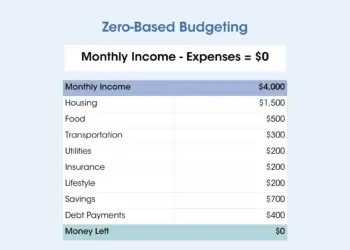
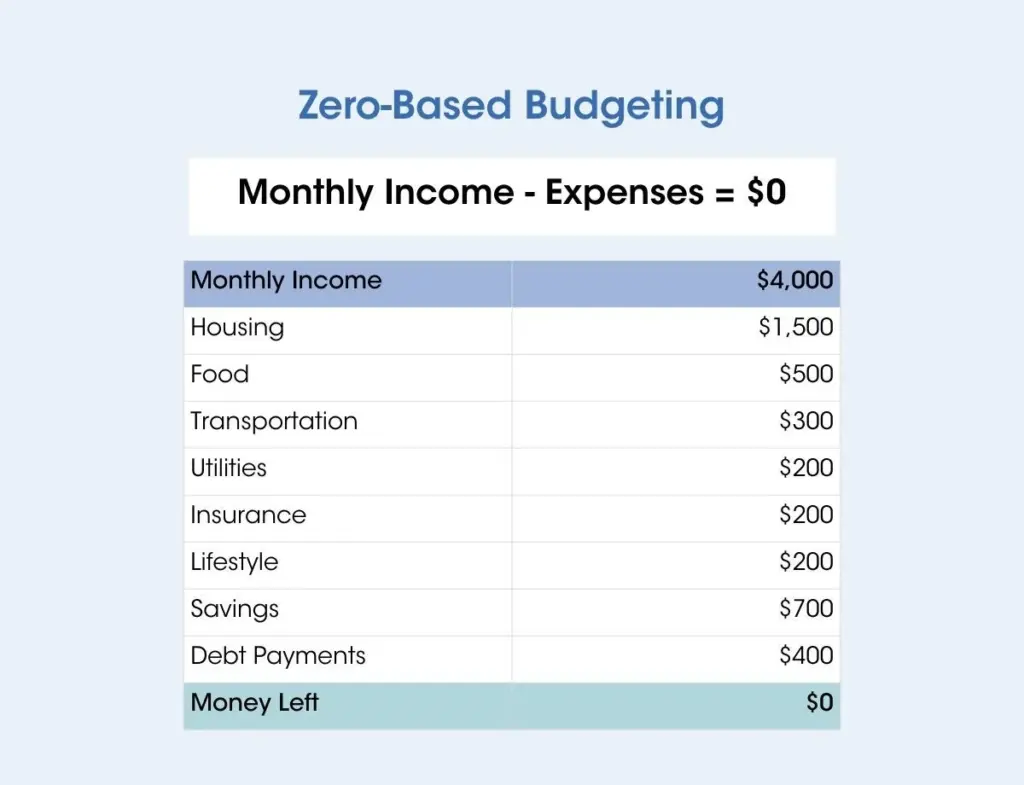
2. Budget and Track Expenses
Understanding your cash flow is essential to determine how much you can save monthly.
Tips:
-
Categorize expenses into essentials, discretionary, and irregular costs.
-
Identify areas where you can cut back temporarily to increase savings.
-
Track spending using apps or spreadsheets to avoid unnecessary overspending.
3. Use Separate Savings Accounts
Keeping your emergency fund separate from your regular checking account prevents accidental spending.
Tips:
-
Open a dedicated high-yield savings account for your emergency fund.
-
Treat this account as untouchable except for true emergencies.
-
Consider online banks or credit unions offering competitive interest rates.
4. Prioritize Savings During Surplus Months
Income fluctuations are common for single parents, especially if juggling freelance work or part-time jobs.
Tips:
-
Save a larger portion of income during months with extra earnings.
-
Avoid using surplus funds for non-essential spending until your emergency fund reaches a comfortable level.
5. Automate Contributions
Automating your savings ensures consistency and reduces the temptation to skip deposits.
Tips:
-
Set up automatic transfers to your emergency fund on paydays.
-
Even small amounts, like $20–$50 per week, accumulate over time.
6. Consider Side Income Opportunities
Boosting income through part-time work, freelance jobs, or gig opportunities can accelerate emergency fund growth.
Tips:
-
Explore flexible options like online freelancing, tutoring, or delivery services.
-
Allocate earnings specifically toward your emergency fund rather than regular expenses.
-
Combining income strategies with smart savings mirrors approaches seen in Ways to Invest in Real Estate with Small Capital, where small, consistent contributions grow into significant results.
7. Reassess and Adjust Regularly
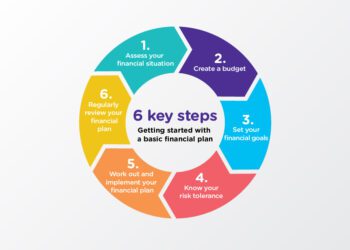
Financial situations and family needs change, so reviewing your emergency fund strategy periodically is important.
Tips:
-
Evaluate monthly expenses and adjust contribution amounts.
-
Increase your target fund size if major life changes occur, such as moving, school fees, or medical needs.
-
Celebrate milestones to stay motivated.
Emergency Fund Strategy Table
| Strategy | Action Steps | Benefit |
|---|---|---|
| Start Small | Save $20–$50/week | Makes saving achievable |
| Budget & Track | Categorize expenses, identify cuts | Know cash flow & maximize savings |
| Separate Account | High-yield savings | Protect funds from accidental use |
| Prioritize Surplus | Save extra income | Accelerate fund growth |
| Automate Savings | Automatic transfers | Consistency & discipline |
| Side Income | Freelance, part-time work | Boost savings without affecting lifestyle |
| Reassess Regularly | Review & adjust contributions | Maintain adequate coverage |
Frequently Asked Questions (FAQs)
Q: How much should a single parent save in an emergency fund?
Aim for 3–6 months of living expenses, adjusted for your financial stability and dependents’ needs.
Q: Can small, irregular contributions still build a meaningful fund?
Yes. Consistency over time is more important than large, sporadic contributions.
Q: Should emergency funds be invested?
No, keep them in liquid, low-risk accounts like savings or money market accounts for easy access during emergencies.
Q: How do I balance saving with other financial goals?
Prioritize the emergency fund first to ensure stability, then allocate money toward retirement, education, or debt repayment.
Q: Can children contribute to an emergency fund?
Older children can help by understanding savings habits, but the primary responsibility lies with the parent.
Final Thoughts
For single parents, an emergency fund is a vital financial tool that provides stability, reduces stress, and safeguards against unforeseen expenses. By starting small, budgeting effectively, automating contributions, leveraging side income, and reassessing needs regularly, even limited resources can grow into a substantial safety net.