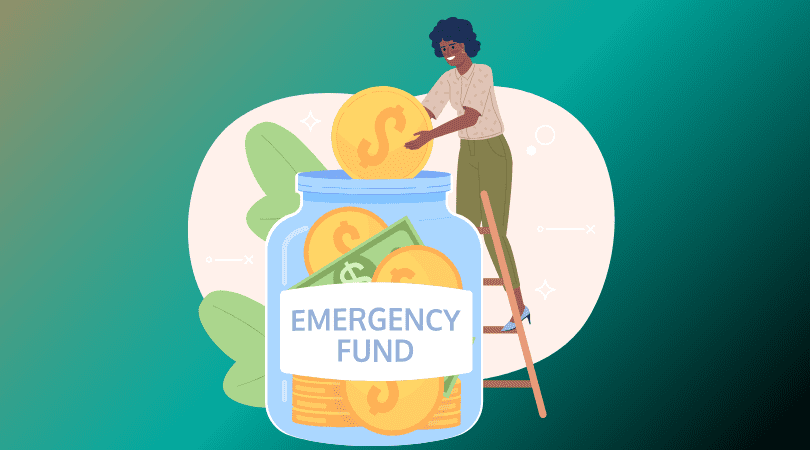
Managing finances on a single income can be challenging, especially when unexpected expenses arise. Whether due to job loss, medical emergencies, home repairs, or sudden income disruption, a lack of savings can quickly lead to debt and financial stress. This is why emergency fund planning for single income households is not just important, but essential for long-term financial stability.
This article explains how single income earners can build, manage, and protect an emergency fund while balancing daily expenses and future goals.
Why Emergency Funds Matter More for Single Income Households
In a single income household, there is no backup paycheck. Any disruption to income directly impacts rent, utilities, food, and debt payments. Without emergency savings, people often rely on credit cards or loans, which can create long-term financial strain.
An emergency fund helps:
-
Cover unexpected expenses without borrowing
-
Prevent missed bill payments
-
Protect credit scores
-
Reduce financial anxiety
-
Provide time to recover from income loss
For single earners, an emergency fund acts as a financial safety net.
How Much Emergency Savings Is Enough?
The ideal emergency fund size depends on income stability, expenses, and job security. Single income households should aim higher than dual-income families because risk exposure is greater.
General guidelines:
-
Minimum: 3 months of living expenses
-
Recommended: 6 months of living expenses
-
High-risk income or freelancing: 9–12 months
Living expenses should include rent, utilities, food, insurance, debt payments, and transportation.
Step 1: Calculate Your True Monthly Expenses
Before building an emergency fund, it is important to understand how much money is needed each month. Many people underestimate expenses by ignoring irregular or annual costs.
Include:
-
Housing and utilities
-
Food and household items
-
Transportation and fuel
-
Insurance premiums
-
Minimum debt payments
-
Basic healthcare costs
Knowing this number gives clarity on how much your emergency fund should cover.
Step 2: Start Small and Build Consistently
Saving a large amount at once can feel overwhelming on a single income. The key is consistency rather than size.
Effective approaches:
-
Start with a goal of one month of expenses
-
Automate savings transfers
-
Save a percentage of income, not a fixed amount
-
Increase contributions during high-income months
Even small, regular deposits can grow into a strong emergency fund over time.
Step 3: Keep Emergency Funds Separate and Accessible
Emergency savings should be easy to access but not too easy to spend. Mixing emergency funds with daily accounts increases the risk of accidental use.
Best practices:
-
Use a separate savings account
-
Avoid investing emergency funds in volatile assets
-
Prioritize liquidity over high returns
Emergency funds are about safety, not profit.
Step 4: Balance Emergency Savings With Debt Repayment
Many single income earners struggle with whether to save or pay off debt. The answer is usually both, but in the right order.
A smart approach:
-
Build a starter emergency fund first
-
Continue minimum debt payments
-
Gradually increase savings and debt payments together
This prevents reliance on credit cards during emergencies and supports long-term goals like How to Reduce Debt Without Ruining Credit Score.
Emergency Fund vs Other Financial Priorities Table
| Financial Priority | Importance Level | Recommended Action |
|---|---|---|
| Emergency Fund | Very High | Build first |
| Debt Payments | High | Pay minimums consistently |
| Retirement Savings | Medium | Resume after emergency fund |
| Investments | Medium | Start after stability |
| Lifestyle Upgrades | Low | Delay if needed |
Step 5: Protect Your Emergency Fund With Insurance
Insurance reduces the likelihood of draining emergency savings. For single income households, protection is critical because there is no secondary income to fall back on.
Important coverage includes:
-
Health insurance
-
Disability or income protection insurance
-
Term life insurance if dependents exist
Insurance works alongside emergency savings to reduce financial risk.
Step 6: Refill the Fund After Use
Emergencies happen, and using the fund is not failure. What matters is rebuilding it afterward.
Refill strategy:
-
Resume contributions immediately
-
Adjust budget temporarily
-
Cut discretionary expenses if needed
Treat replenishment as a top financial priority.
Common Mistakes Single Income Households Should Avoid
-
Saving too little for emergencies
-
Using emergency funds for non-urgent purchases
-
Keeping savings in risky investments
-
Ignoring irregular or annual expenses
-
Delaying savings until income increases
Avoiding these mistakes improves financial resilience.
Frequently Asked Questions (FAQs)
Why do single income households need larger emergency funds?
Because there is no secondary income to absorb financial shocks, single earners face higher risk during emergencies.
Should emergency funds be invested?
No. Emergency funds should remain in low-risk, highly liquid accounts to ensure immediate access.
Can I build an emergency fund while paying off debt?
Yes. Start with a small emergency fund while maintaining minimum debt payments, then grow both gradually.
How long does it take to build an emergency fund?
It depends on income and expenses, but most people can build a basic fund within 6–12 months with consistent saving.
When should I use my emergency fund?
Only for true emergencies such as medical costs, job loss, urgent repairs, or essential expenses.
Conclusion
Emergency fund planning for single income households is a critical component of financial security. With no backup income, preparation becomes the strongest defense against unexpected financial setbacks. By understanding expenses, saving consistently, balancing debt responsibly, and protecting income, single earners can create stability and confidence even during uncertain times. A well-maintained emergency fund transforms financial vulnerability into long-term resilience.