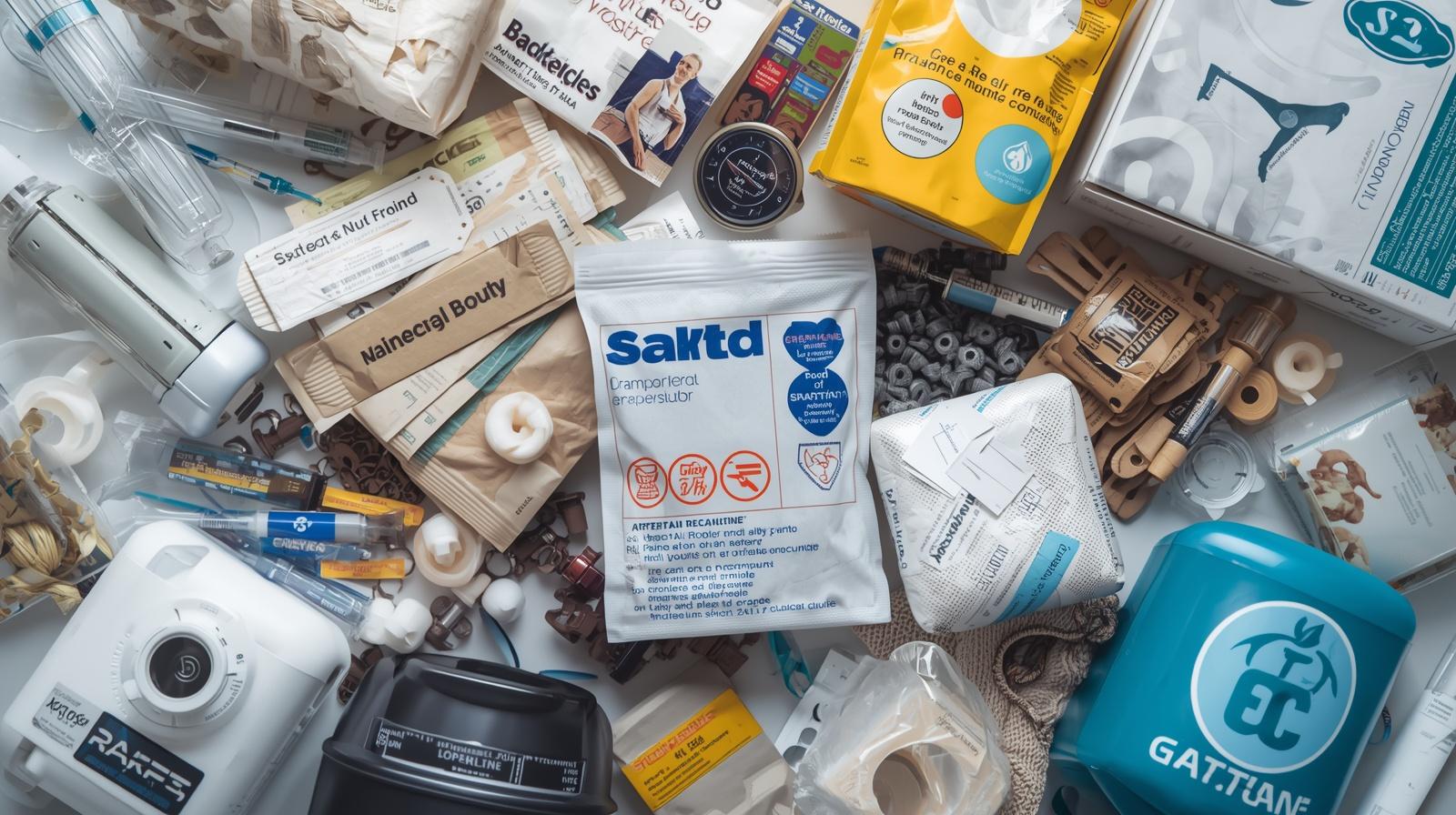
Sports medicine clinics operate at the intersection of performance care and clinical precision, where treatments range from simple assessments to advanced procedures. Each service generates distinct waste streams that demand careful handling to protect patients, staff, and the surrounding environment. A clear understanding of these waste categories helps clinics maintain safety and regulatory compliance.
Effective medical waste disposal plays a central role in ensuring that hazardous materials are managed responsibly and efficiently. Clinics that partner with professional disposal providers benefit from structured systems that reduce risk and maintain hygiene standards. These partnerships create a seamless flow from treatment rooms to final disposal, allowing healthcare professionals to focus on patient care.
Common waste categories in sports medicine clinics
Sports medicine facilities produce several types of regulated waste depending on the procedures performed. Each category requires a specific method of containment, labeling, and disposal to meet health regulations.
Key waste types include:
- Sharps such as needles, lancets, and injection devices are used for therapies.
- Biohazard waste, which includes blood-soaked gauze, bandages, and dressings.
- Pharmaceutical waste from expired or unused medications, like pain relievers.
- Disposable protective gear such as gloves, masks, and sterile drapes.
Waste generated from injection and therapy procedures
Injection-based treatments such as corticosteroid shots, platelet-rich plasma therapies, and joint lubricants contribute significantly to clinical waste. These procedures rely on sterile equipment and generate sharps alongside contaminated consumables. Blood-related therapies introduce additional biohazard elements that require strict containment.
Therapy rooms also produce secondary waste from cleaning agents and disposable covers used during patient care. Consistent disposal practices help maintain a sterile environment and reduce the risk of cross-contamination. Professional oversight ensures that each waste type follows the correct disposal pathway.
Role of professional disposal services in waste management
Professional waste disposal firms bring structured processes that align with healthcare regulations and safety standards. These providers supply color-coded containers, scheduled pickups, and documentation systems that support compliance. Clinics thus gain peace of mind through reliable handling and traceability of hazardous materials.
Trained personnel from disposal companies understand the nuances of different waste categories. Their expertise ensures safe transportation and treatment of materials through approved methods. A dependable system reduces administrative burden while improving operational efficiency within the clinic.
Compliance requirements and safe handling practices
Regulatory frameworks guide how medical waste should be stored, transported, and treated. Clinics must follow strict protocols to avoid penalties and ensure public safety.
Essential compliance practices include:
- Proper segregation of waste at the source using designated containers.
- Clear labeling of hazardous materials with standardized symbols.
- Secure storage in controlled areas before collection.
- Documentation of waste movement for audit and tracking purposes.
Adherence to these practices strengthens safety measures across all levels of operation. Professional medical waste disposal services support clinics in maintaining these standards with consistency.
Environmental impact and sustainable disposal approaches
Responsible waste management extends beyond compliance and focuses on reducing environmental impact. Modern disposal solutions incorporate methods such as autoclaving and eco-friendly treatment processes. These approaches minimize harmful emissions and support sustainable healthcare practices.
Clinics that adopt environmentally conscious strategies contribute to a healthier ecosystem. So, authentic disposal providers play a key role in introducing safer alternatives and guiding facilities toward better waste practices. Thoughtful handling of medical waste reflects a commitment to both patient care and environmental responsibility.
Hence, sports medicine clinics generate diverse waste streams that require precise handling and expert oversight. Professional disposal services always ensure safety, compliance, and operational efficiency across all waste categories. Strong waste management practices support both clinical excellence and environmental responsibility.