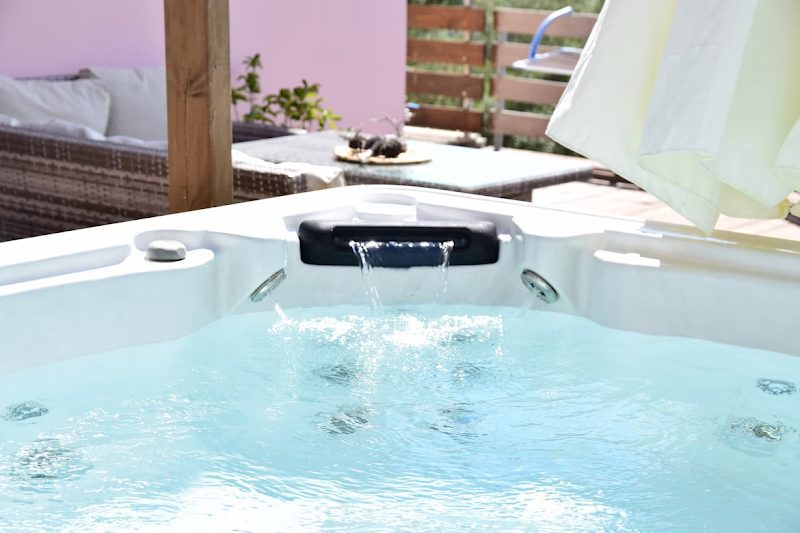
Hot tubs have evolved from simple leisure items into important components of comprehensive wellness regimens. As more individuals prioritize mental and physical health, hydrotherapy has surfaced as a viable solution, combining relaxation with therapeutic benefits. This multi-dimensional approach integrates warmth, buoyancy, and massage to rejuvenate both the body and mind. Embracing this ancient healing method can enhance health in general, mitigate stress, and positively influence various bodily functions. Through the use of hot tubs, hydrotherapy may also provide significant pain relief and relaxation, making it a perfect consideration for anyone seeking holistic wellness solutions.
The Basics of Hydrotherapy
Hydrotherapy involves the use of water for therapeutic purposes, and it encompasses a wide range of techniques, including soaking, whirlpool baths, and water aerobics. Notably, the warmth of water promotes improved blood circulation, enhancing oxygen delivery to tissues. High-quality hot tubs deliver these healing benefits by allowing users to immerse themselves in comfortably heated water, which assists in lowering stress levels while fostering relaxation. The simple act of soaking can significantly reduce muscle tension, making hydrotherapy beneficial for athletes and weekend warriors alike. Chronic conditions like arthritis and fibromyalgia can benefit from heat therapy, as warm water encourages blood flow and soothes stiff joints, emphasizing the treatment’s positive effects on physical ailments.
Stress Relief and Mental Clarity
Beyond physical recovery, hot tub hydrotherapy provides considerable mental health benefits. Engaging in this form of therapy helps cleanse the mind of stress, anxiety, and tension. Researchers have found that regular exposure to warm water can lead to improvements in mood and well-being in general. The calming environment of hot tubs creates a sanctuary, a personal escape from the daily grind, permitting users to unwind fully. This downtime can foster mental clarity, making it a valuable addition to any wellness routine. In fact, according to a study published in the Journal of Clinical Psychology, individuals who use hot tubs and engage in hydrotherapy often report a noticeable reduction in symptoms related to anxiety and depression.
Pain Management and Recovery
Hot tub hydrotherapy stands out as an effective pain management tool, particularly for those dealing with chronic pain conditions. The heat from the water can alleviate tension and relax tight muscles, promoting recovery after intense physical activity. The buoyancy of water reduces stress on joints, allowing individuals with mobility limitations to exercise with ease. This aspect of hydrotherapy can lead to improved physical function and freedom of movement. Many people also find that following a wellness routine for pain relief helps them maximize the benefits of regular hot tub use, making it a practical approach for long-term comfort. Studies indicate that regular use can expedite healing while reducing pain, fostering a proactive approach to managing health and wellness.
Improvement in Sleep Quality
Another compelling advantage of hydrotherapy is its influence on sleep patterns. Regular hot tub use can significantly enhance the quality and duration of sleep. The relaxation induced by soaking in a hot tub before bed helps prepare the body for sleep, making it an integral part of a nightly routine. The rise in body temperature followed by a cooling period when exiting the tub encourages the body’s natural sleep cycle. Improved sleep hygiene has subsequent benefits, including elevated mood and a decrease in daytime fatigue. Addressing sleep issues through such relaxing practices can lead to profound changes in everyday health and functioning, underlining the importance of integrating relaxation techniques into daily life.
The Impacts on Cardiovascular Health
Research has shown that hydrotherapy has favorable outcomes for cardiovascular health. Immersing oneself in warm water causes blood vessels to dilate, which enhances circulation and lowers blood pressure. For individuals with specific heart conditions, a gradual introduction to hot tub use can provide noteworthy advantages. The gentle increase in heart rate during hydrotherapy mimics the effects of moderate exercise, allowing for cardiovascular benefits without heavy exertion. This newfound ease of movement can boost energy levels and improve endurance, which are really important components in maintaining health. Nevertheless, it is advisable to consult with healthcare professionals before integrating this practice into a cardiovascular health regimen, ensuring safety and effectiveness.
Enhancing Social Connections
Hot tubs offer a unique environment for building relationships, creating a social ambiance that fosters connection and bonding among family and friends. Utilizing hot tubs as a space for socialization can bolster emotional well-being, as engaging in conversation while relaxed promotes feelings of happiness and community. Quality time spent in a shared space serves to strengthen emotional support networks while encouraging interaction away from typical distractions. Whether indulging in a friendly gathering or enjoying a romantic escape, hot tubs enhance the experience by supplying a serene backdrop, allowing users to savor each other’s company. Thus, they provide health benefits and nurture vital social ties. In this way, hot tubs not only promote relaxation but also serve as a catalyst for deeper, more meaningful human connections.
Essential Considerations and Safety Tips
Safety measures are paramount when enjoying hot tubs and implementing hydrotherapy. Proper maintenance and hygiene must be upheld to ensure the cleanliness of the water, minimizing any potential health risks. Overheating can occur if individuals remain in hot water for extended periods. Thus, it’s important to listen to your body and hydrate adequately. Those with pre-existing medical conditions should seek professional advice prior to participating in hot tub activities to ascertain appropriate usage limits. Understanding both the benefits and precautions enhances the experience, maximizing hydrotherapy’s advantages while minimizing risks. Individuals can confidently embrace hot tub hydrotherapy to ensure a balance between relaxation and safety.

Engaging in regular hot tub hydrotherapy can significantly impact one’s health journey, fostering holistic well-being and a positive lifestyle. From alleviating stress to improving sleep, the benefits are extensive. Hot tubs can contribute to physical recovery and pain management, and they pave the way for richer social interactions while nurturing emotional health. The integration of hot tubs into personal wellness routines, and notably the engagement in a routine for pain relief, highlights how vital these practices are in pursuing a healthy, balanced life. As this therapeutic technique continues to gain popularity, its full spectrum of benefits will inspire more individuals to explore the art of hydrotherapy, embracing warm waters for a healthier future.