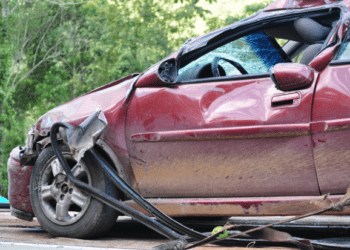
Most drivers expect insurance to cover repairs after a crash, but few think about what happens to their car’s value once it’s been damaged. Even if your vehicle looks perfect after repairs, its resale price often drops simply because it now carries an accident history. Buyers pay less for repaired vehicles, even high-quality repairs, and that loss comes straight out of your pocket. Understanding diminished value is the first step toward making sure you don’t absorb that financial hit alone.
The frustrating part is that car owners rarely realize they can recover this lost value. Insurance companies don’t mention it, dealerships may avoid the topic, and many drivers assume nothing can be done. But diminished value claims exist specifically to protect you from losing money on a car that was worth significantly more before the crash. Knowing how these claims work helps you fight for the compensation you deserve.
What Diminished Value Really Means
Diminished value refers to the drop in your car’s market price after it’s been damaged, even if repairs make it look new again. Buyers worry about hidden issues, long-term reliability, and future repair needs—all of which reduce how much they’re willing to pay. This drop doesn’t show up on your repair bill, but it absolutely affects your finances.
Even dealerships and appraisers use accident history to justify lower offers. A repaired car can lose thousands in value depending on its age, mileage, and severity of the damage. Understanding this concept is essential if you want to avoid losing money when selling or trading in your car down the road.
Types of Diminished Value That Impact Your Claim
Not all diminished value is the same. Immediate diminished value is the difference in value right after the accident but before repairs. Inherent diminished value is the most common form, referring to the permanent stigma attached to a vehicle with a recorded accident. Repair-related diminished value applies when repairs were performed correctly but still left minor flaws, mismatched paint, or structural concerns.
Insurance adjusters often focus only on repair-related issues, but the other categories also matter. Many claims hinge on the car’s documented crash history, not just the quality of repairs. Knowing the category your vehicle falls into helps you build a stronger, more accurate claim.
Why Repairing Your Car Doesn’t Restore Its Market Value
Even the best mechanic can’t restore your car to its pre-accident value, because value isn’t just about appearance—it’s about history. Once a crash is recorded on a vehicle report, buyers assume risk. They worry about safety, possible frame damage, or the longevity of repairs. That fear reduces what they’re willing to pay.
Because of this, diminished value claims focus on the difference between what your car was worth before the crash and what it’s worth after. That drop can be significant for newer or well-maintained vehicles. Recognizing that repairs alone don’t solve the financial loss is crucial when filing a claim.
When You May Qualify for Compensation
Many drivers qualify for diminished value compensation without realizing it. If another driver caused the crash, their insurance may owe you for the loss. These claims often apply to newer cars, low-mileage vehicles, or high-value models because the depreciation is more noticeable. Even everyday cars can qualify if the damage was moderate or severe.
Your eligibility also depends on your state’s laws, your insurance policy, and the quality of documentation after the crash. A detailed record of the vehicle’s condition before the accident strengthens your claim significantly. The more evidence you have, the harder it is for insurers to dispute the loss.
Why Insurance Companies Push Back on Diminished Value Claims
Insurance companies rarely offer diminished value compensation voluntarily. They argue that repairs eliminate any loss or claim that your car’s value wasn’t affected enough to matter. This strategy saves them money but leaves you absorbing the financial impact. That’s why presenting strong evidence is essential to proving your case.
Many drivers work with experienced car accident attorneys who understand how to calculate diminished value, negotiate with insurers, and push back against low offers. Attorneys know which documentation insurers respect and what evidence creates the strongest pressure. With the right help, it becomes far easier to recover the value you lost.
How to Calculate the Diminished Value of Your Car
Insurance companies often use formulas that minimize your loss, but more accurate calculations consider multiple factors. Here are some key elements that influence diminished value:
- Pre-accident condition, including mileage and maintenance history
- Age of the vehicle, with newer cars losing more value
- Extent of the damage, including frame, cosmetic, and mechanical issues
- Quality of repairs, especially paint matching and structural fixes
- Market value in your area, which affects resale expectations
A professional appraisal can strengthen your claim by showing the real financial impact. The more specific your documentation, the stronger your argument for compensation.
Mistakes That Can Hurt Your Diminished Value Claim
Many car owners weaken their claims without realizing it. Accepting repairs without proper documentation, failing to get photos of the damage, or trusting the insurer’s valuation are common errors. These mistakes give insurance companies room to minimize or deny your claim entirely.
Waiting too long to file is another issue. Insurance companies track timelines closely and may reject claims that come in late. Staying organized, acting quickly, and keeping consistent records all help protect your right to compensation.
How to Protect Your Vehicle’s Value After a Crash
You can take simple steps to guard your vehicle’s worth after an accident. Getting multiple repair estimates, choosing a reputable shop, and requesting detailed invoices all help preserve value. Keeping records of every stage of the repair process makes it easier to prove your claim later.
You should also track how your car handles after the repairs. Unusual noises, alignment issues, or vibrations may indicate deeper problems that affect resale value. Addressing these issues promptly ensures safety and supports your claim if value loss is greater than expected.