Photo credit
Aging is no longer a quiet process of retreat. It is becoming a conscious act of design. For a generation that has shaped industries, built companies, and transformed communities, the later chapters of life are not about loss but about the careful curation of what matters most. The question is not how to grow old but how to live well while doing so.
In this shift, age begins to feel less like a limitation and more like an asset. The years bring knowledge, confidence, and a clear understanding of what home, health, and connection should look like. Across the country, senior living is evolving into something that blends lifestyle, community, and design in ways that reflect the values of a generation unwilling to settle for less.
The Luxury of Choice
The measure of wealth has always extended beyond balance sheets. True wealth is choice. It is the ability to decide how and where to live, to select an environment that reflects personal priorities.
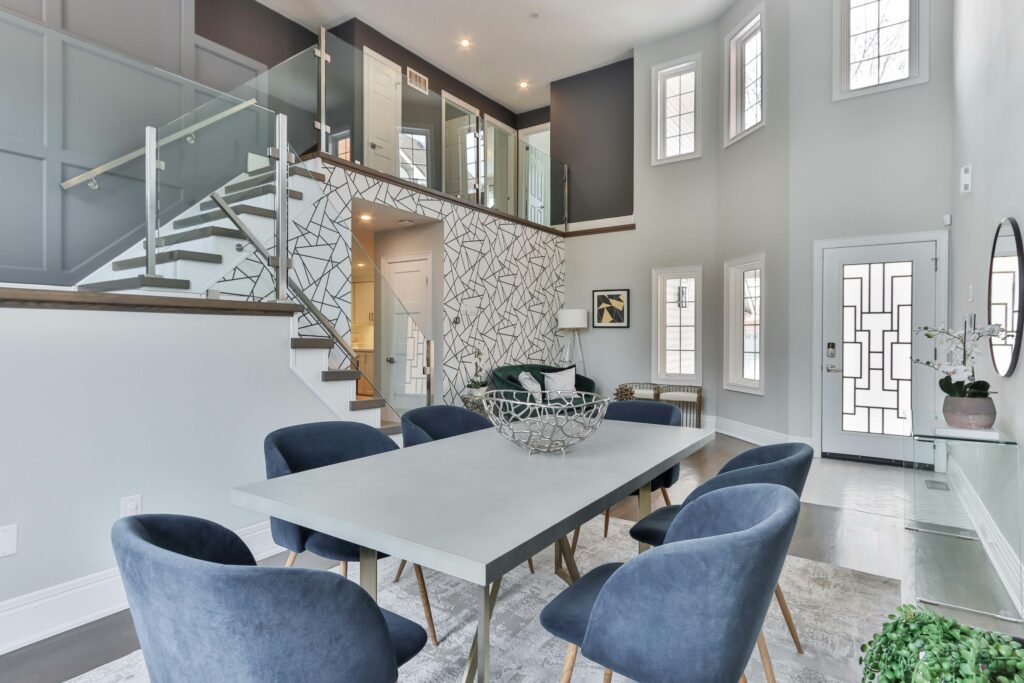
Senior living has long been misunderstood as a loss of independence. Today, it is more accurately described as the freedom to choose a residence that reduces friction and enhances quality of life. In modern residences across the country, this means architecture that prioritizes natural light, common areas designed for meaningful interaction, and wellness programs that cater to both body and mind.
Choice also extends to scale. Some prefer urban residences where theatres, restaurants, and galleries are minutes away. Others seek smaller communities where nature frames the rhythm of daily life. The variety reflects a deeper cultural recognition that one way of living does not suit all.
Aging as a Lifestyle
For many, retirement once meant stepping back. Now it represents stepping into a more focused version of life. Seniors today are not defined by age but by lifestyle. They travel, they volunteer, they start new businesses, and they mentor the next generation.
Residences and communities have adapted in response. Fitness studios, art programs, lecture series, and intergenerational partnerships are becoming fixtures. Aging is no longer seen as static but as dynamic. These experiences shape a new narrative in which growing older is not about slowing down but about redirecting energy into what matters most.
In this way, senior living has become less about what is given up and more about what is gained. The goal is to create homes that act as launchpads for continued engagement with life.
The Wealth Perspective
For readers of Impact Wealth, decisions about senior living carry a weight beyond lifestyle. They are an extension of legacy planning. Where one chooses to live later in life is as much an investment as any financial portfolio.
Seniors are increasingly seeking residences that align with long-term values. Privacy, security, and wellness are obvious priorities, but so too are design, cultural relevance, and the ability to remain connected to family and community. The affluent view aging not as an afterthought but as a stage that deserves the same intentionality as every other investment they have made.
Families also play a central role. Children and grandchildren are often involved in decisions, ensuring that seniors remain at the heart of family life. In this sense, senior living becomes a tool for continuity, linking generations while preserving dignity and independence.
Innovation in Senior Living
More countries are now witnessing a wave of innovation that is reshaping the industry. Residences are incorporating sustainable design, energy-efficient systems, and smart home technology to create safe and future-ready environments. Health monitoring tools discreetly provide peace of mind without disrupting privacy.
Programming has expanded as well. Culinary experiences, cultural events, and wellness retreats are no longer luxuries but expectations. Residences are forming partnerships with universities, arts organizations, and community groups, weaving seniors into the broader cultural and civic fabric.
This innovation reflects a recognition that age should not narrow horizons. Instead, it should open new avenues for connection, learning, and engagement.
From Asset to Experience
The reframing of age as an asset becomes clearest when looking at how seniors experience daily life in these communities. Age brings perspective. It brings the ability to focus less on accumulation and more on meaning. A residence that supports this transition offers not just a roof but an environment where experience becomes the currency of wealth.
The affluent understand that wealth is most valuable when it enhances the quality of life. This is why senior living is being redefined as more than care. It is design, culture, wellness, and community combined into one holistic experience.
A Future Shaped by Age
To design a future where age feels like an asset is to recognize that seniors are not stepping out of the story but writing its next chapter. They are choosing communities that honor their independence while celebrating their contributions. They are proving that the later stages of life can be vibrant, purposeful, and connected.
For those seeking direction, Allseniorscare.com offers a place to begin. It highlights the breadth of possibilities available across the country and underscores the reality that senior living today is about more than survival. It is about living fully, with dignity and choice at the center.