As consumers become more conscious of ethical and environmental issues, cruelty free leather alternatives for fashion are gaining widespread popularity. Traditional leather production raises concerns related to animal welfare, pollution, and sustainability. In response, designers and brands are turning toward innovative materials that replicate the look and feel of leather without harming animals.
These alternatives are not just ethical choices but also stylish, durable, and adaptable to modern fashion needs. From luxury handbags to everyday footwear, cruelty free materials are reshaping the future of fashion.
What Is Cruelty Free Leather?
Cruelty free leather refers to materials that imitate traditional leather without using animal hides. These alternatives are designed to offer similar textures, durability, and aesthetic appeal while avoiding animal exploitation. Many cruelty free leathers are also developed with sustainability in mind, reducing environmental impact compared to conventional leather.
Why the Fashion Industry Is Moving Away from Animal Leather
The shift toward cruelty free leather alternatives for fashion is driven by multiple factors:
-
Growing awareness of animal welfare
-
Demand for sustainable fashion solutions
-
Technological advancements in material innovation
-
Changing consumer values and preferences
Modern consumers are no longer willing to compromise ethics for style, pushing brands to rethink material sourcing.
Popular Cruelty Free Leather Alternatives
1. Plant-Based Leather
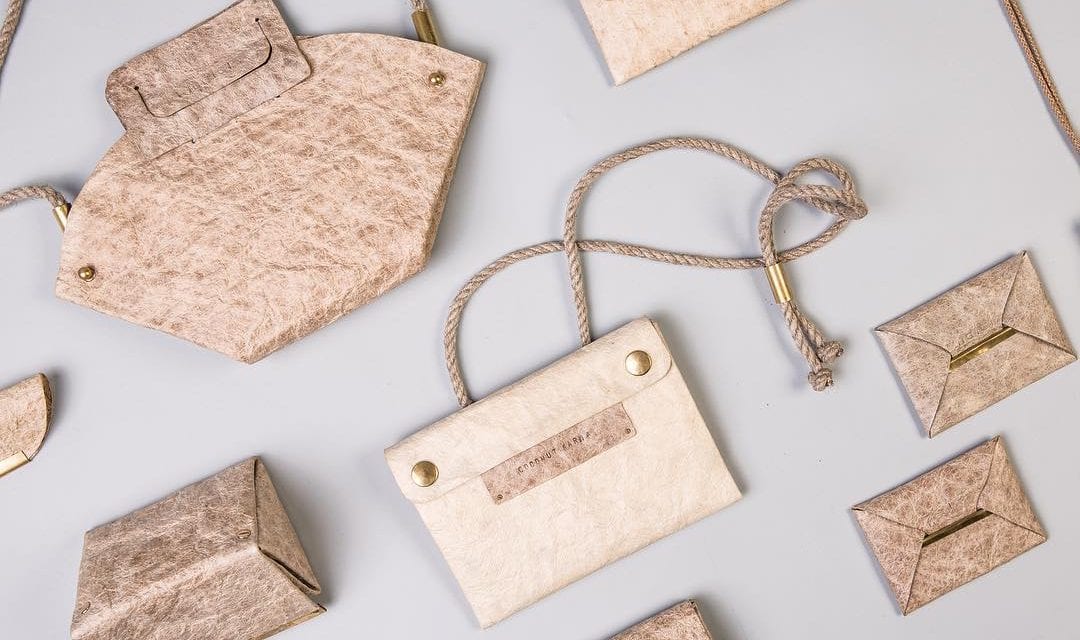
Plant-based leathers are made from natural fibers and agricultural byproducts. These materials offer breathability, flexibility, and a reduced environmental footprint. They are increasingly used in bags, shoes, and jackets.
2. Recycled Synthetic Leather
Recycled synthetic leather uses existing plastic materials to create durable, leather-like textures. This approach reduces waste while delivering affordability and versatility for mass-market fashion.
3. Mushroom Leather
Mushroom-based leather is derived from mycelium, the root structure of fungi. It is lightweight, biodegradable, and visually similar to genuine leather, making it ideal for luxury fashion items.
4. Fruit-Based Leather
Innovative designers now create leather alternatives from fruit waste such as pineapple leaves and apple peels. These materials transform agricultural leftovers into fashionable and eco-friendly textiles.
Cruelty Free Leather and Timeless Style
One of the misconceptions about cruelty free materials is that they compromise elegance. In reality, cruelty free leather alternatives fit seamlessly into classic wardrobes and complement Fashion Trends That Never Go Out of Style. Structured bags, minimalist shoes, and tailored jackets made from ethical materials maintain sophistication while aligning with modern values.
Applications in Everyday Fashion
Cruelty free leather alternatives for fashion are now used across various categories:
-
Handbags and wallets
-
Footwear including boots and sneakers
-
Jackets and coats
-
Belts and accessories
These materials offer flexibility in design, allowing brands to experiment with colors, textures, and finishes that traditional leather cannot easily achieve.
Comparison Table of Cruelty Free Leather Alternatives
| Material Type | Source | Key Benefits | Common Uses |
|---|---|---|---|
| Plant-Based Leather | Natural fibers | Breathable and renewable | Bags, jackets |
| Recycled Synthetic | Plastic waste | Durable and affordable | Shoes, belts |
| Mushroom Leather | Mycelium | Biodegradable and lightweight | Luxury accessories |
| Fruit-Based Leather | Agricultural waste | Sustainable and innovative | Handbags, footwear |
Environmental Benefits of Cruelty Free Leather
Beyond animal welfare, cruelty free leather alternatives significantly reduce environmental damage. Traditional leather production involves heavy water use, chemical tanning, and pollution. Ethical alternatives often require fewer resources and produce lower emissions.
Benefits include:
-
Reduced carbon footprint
-
Less water consumption
-
Minimal toxic waste
-
Support for circular fashion systems
How to Choose High-Quality Cruelty Free Leather Products
When shopping for cruelty free leather alternatives, consider the following factors:
-
Material transparency
-
Durability and stitching quality
-
Comfort and flexibility
-
Long-term wearability
-
Brand commitment to ethics
These elements ensure that ethical fashion does not sacrifice performance or style.
Challenges and Misconceptions
Despite growing popularity, cruelty free leather alternatives face challenges such as misconceptions about durability and texture. However, ongoing innovation continues to close the gap between traditional leather and ethical alternatives. Many cruelty free materials now outperform animal leather in terms of maintenance and adaptability.
The Future of Cruelty Free Fashion
The future of fashion lies in ethical innovation. As technology advances, cruelty free leather alternatives will become more accessible, affordable, and refined. Designers are already proving that compassion and creativity can coexist without compromise.
FAQs
What are cruelty free leather alternatives for fashion?
They are materials designed to mimic traditional leather without using animal hides, offering ethical and sustainable options for clothing and accessories.
Are cruelty free leather alternatives durable?
Yes, many modern alternatives are highly durable and suitable for everyday wear, often requiring less maintenance than animal leather.
Do cruelty free leather products look like real leather?
Advanced manufacturing techniques allow cruelty free materials to closely resemble the texture and appearance of genuine leather.
Are cruelty free leather alternatives environmentally friendly?
Most alternatives reduce water usage, pollution, and waste, making them more environmentally responsible than traditional leather.
Is cruelty free leather more expensive?
Prices vary depending on material and brand, but increased demand is making cruelty free leather more affordable and widely available.
Conclusion
Cruelty free leather alternatives for fashion represent a powerful shift toward ethical, sustainable, and forward-thinking style. These materials prove that fashion can be innovative without harming animals or the planet. As awareness grows and technology evolves, cruelty free leather will continue to redefine modern wardrobes, blending responsibility with timeless design.