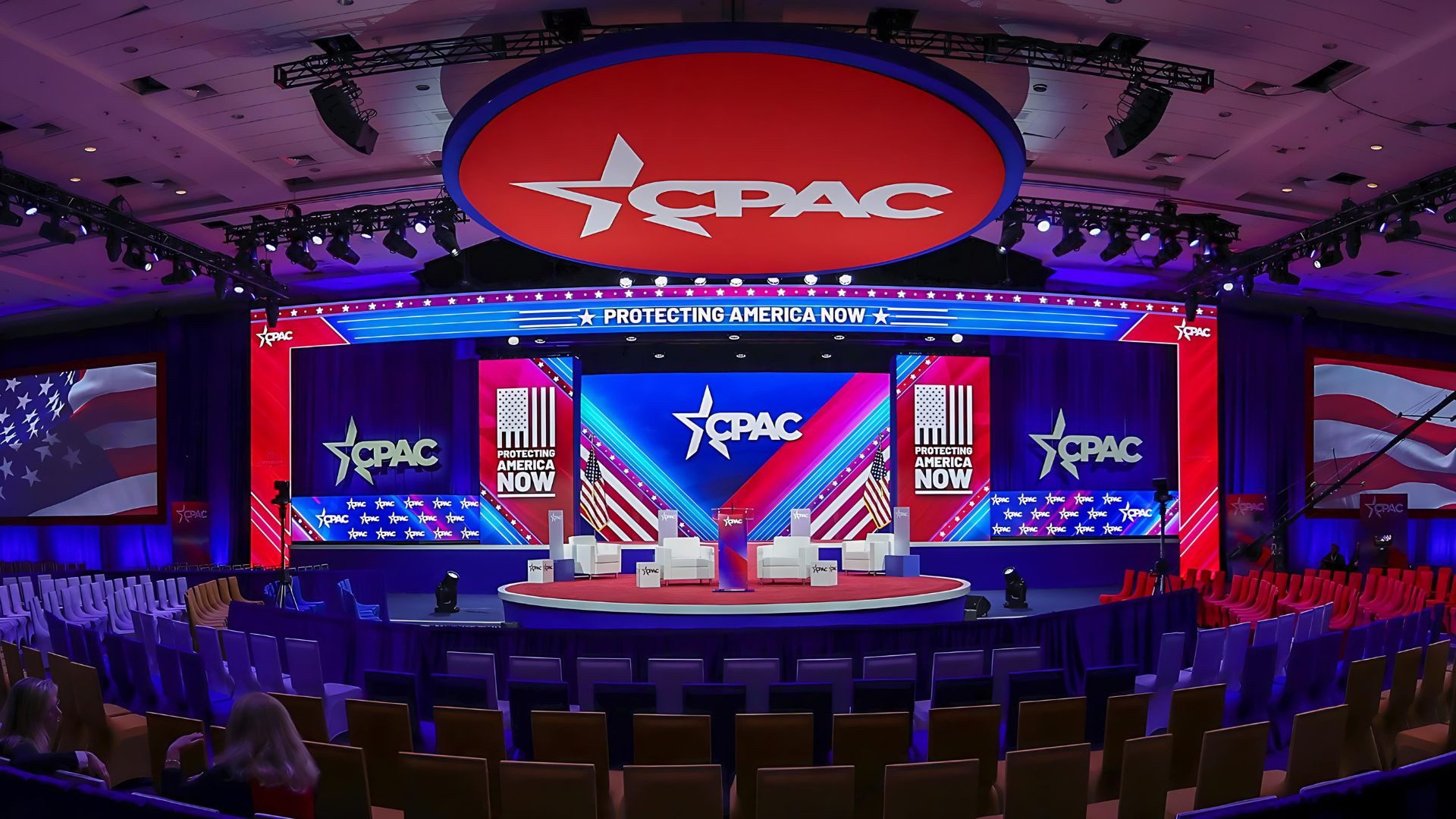
By 2025, CPAC Latino has evolved from a regional offshoot of an American political brand into something far more consequential: a hemispheric convening point for conservative power, influence, and ambition across the Americas.
What began as an experiment in outreach is now a serious political platform—one that blends ideology, personality, capital, and strategy, all set against the backdrop of a rapidly shifting Latin American political landscape.
A Conference That Reflects the Moment
CPAC Latino 2025 arrives at a time when Latin America is re-examining the economic and political models that defined the last two decades. Inflation, crime, currency volatility, and public distrust of institutions have pushed voters toward leaders promising disruption rather than reform.
The conference does not shy away from this reality. Instead, it leans into it—positioning itself as a forum for those advocating free markets, national sovereignty, cultural conservatism, and a rejection of what many attendees frame as “exported progressivism.”
This year’s edition continues to attract political leaders, lawmakers, strategists, business figures, and media personalities from across the region, with strong representation from the United States, Brazil, Argentina, Mexico, and Central America.
The Rise of a New Conservative Class
One of CPAC Latino’s defining characteristics is its emphasis on leaders, not institutions. The spotlight consistently falls on individual figures who have cultivated mass followings through direct communication, unapologetic rhetoric, and a promise to break from political orthodoxy.
Figures such as Javier Milei, Nayib Bukele, and Eduardo Bolsonaro—whether present in person or invoked as case studies—represent a new conservative archetype: anti-establishment, media-savvy, and openly confrontational.
For many attendees, these leaders are less about ideology in the abstract and more about execution—proof that electoral success can follow radical messaging when paired with discipline and timing.
Miami as the De Facto Capital
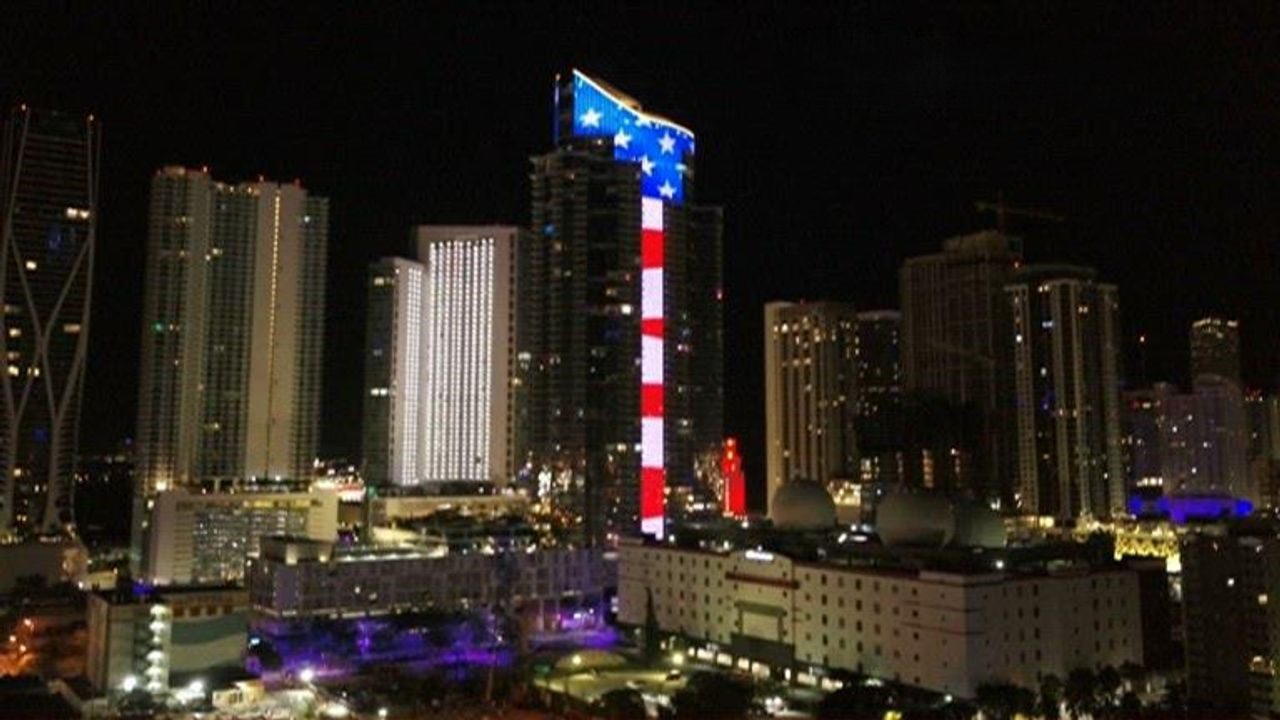
The choice of Miami as a recurring host city is no coincidence. The city has quietly become the financial, cultural, and political crossroads of the Americas—a place where Latin American capital, U.S. influence, and global media converge.
CPAC Latino 2025 reinforces Miami’s role as a staging ground for transnational political movements. Spanish-language panels, bilingual media coverage, and cross-border networking make the event feel less like a U.S. conference and more like a regional summit with global ambitions.
Ideology Meets Strategy
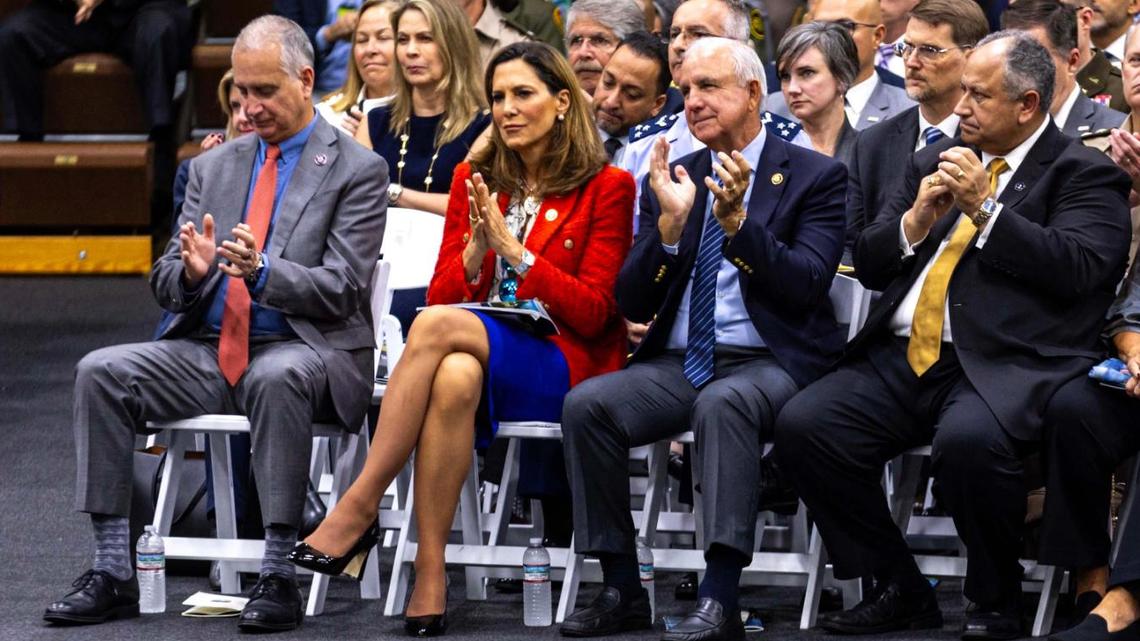
Beyond the headline speeches, CPAC Latino has matured into a strategic forum. Closed-door discussions increasingly focus on campaign infrastructure, digital mobilization, donor networks, and policy coordination across borders.
Themes dominating 2025 include:
- Free-market reform and dollarization debates
- Crime, security, and the politics of enforcement
- Media ecosystems and alternative platforms
- The role of culture and religion in political mobilization
The tone is pragmatic. Attendees are less interested in theory than in repeatable political playbooks—what works, what scales, and what wins elections.
A Signal, Not Just a Stage
Whether admired or criticized, CPAC Latino now functions as a signal. Attendance conveys alignment. Absence sends its own message. For investors, political operators, and observers of global power shifts, the conference offers a rare, unfiltered look at where a significant segment of Latin America’s political right believes the future lies.
In 2025, CPAC Latino is no longer asking whether conservative movements can coordinate across borders. It is demonstrating that they already are.
The question now is not whether CPAC Latino matters—but how much influence it will wield as the region approaches its next cycle of elections, reforms, and reckonings.