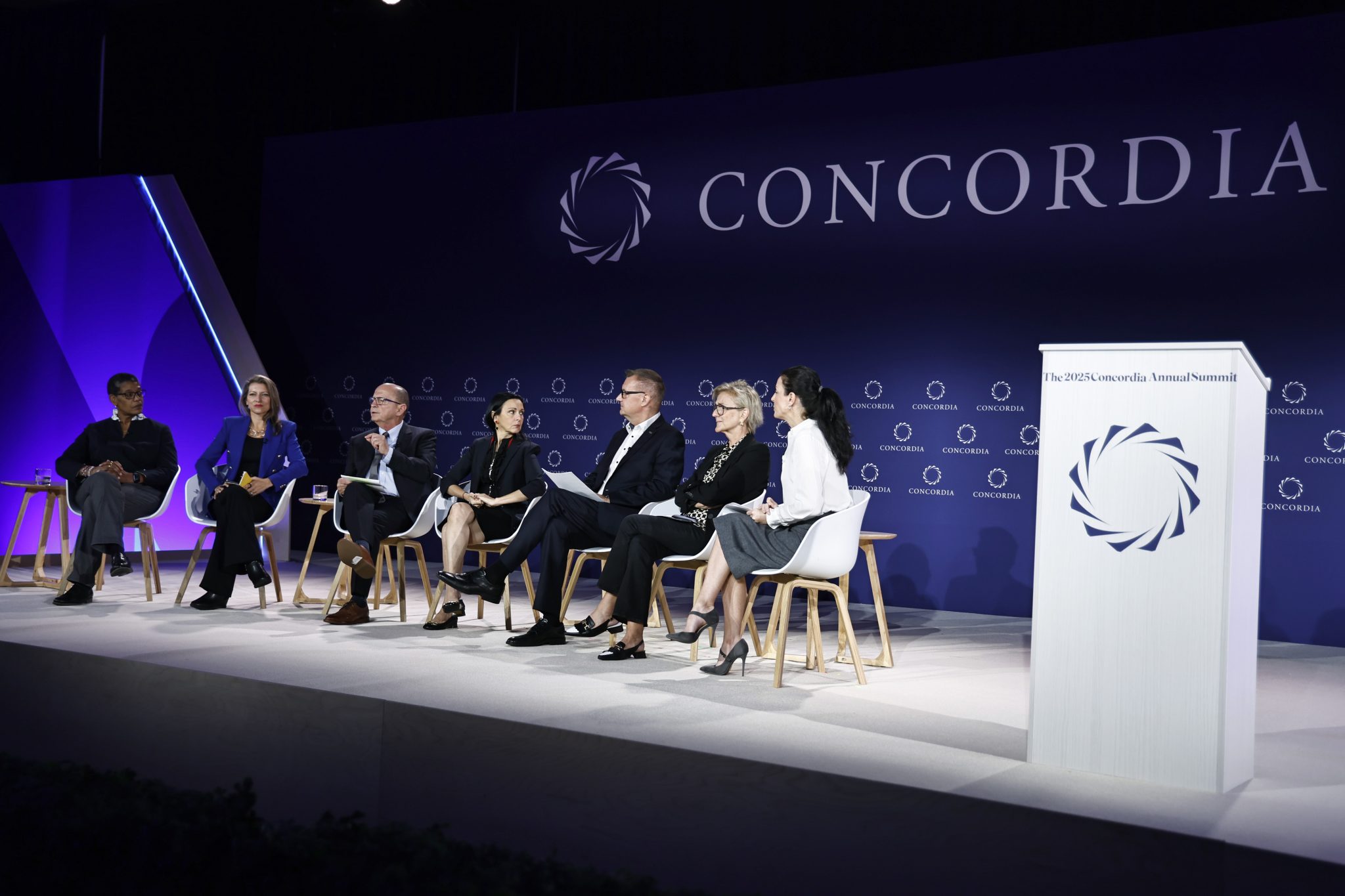
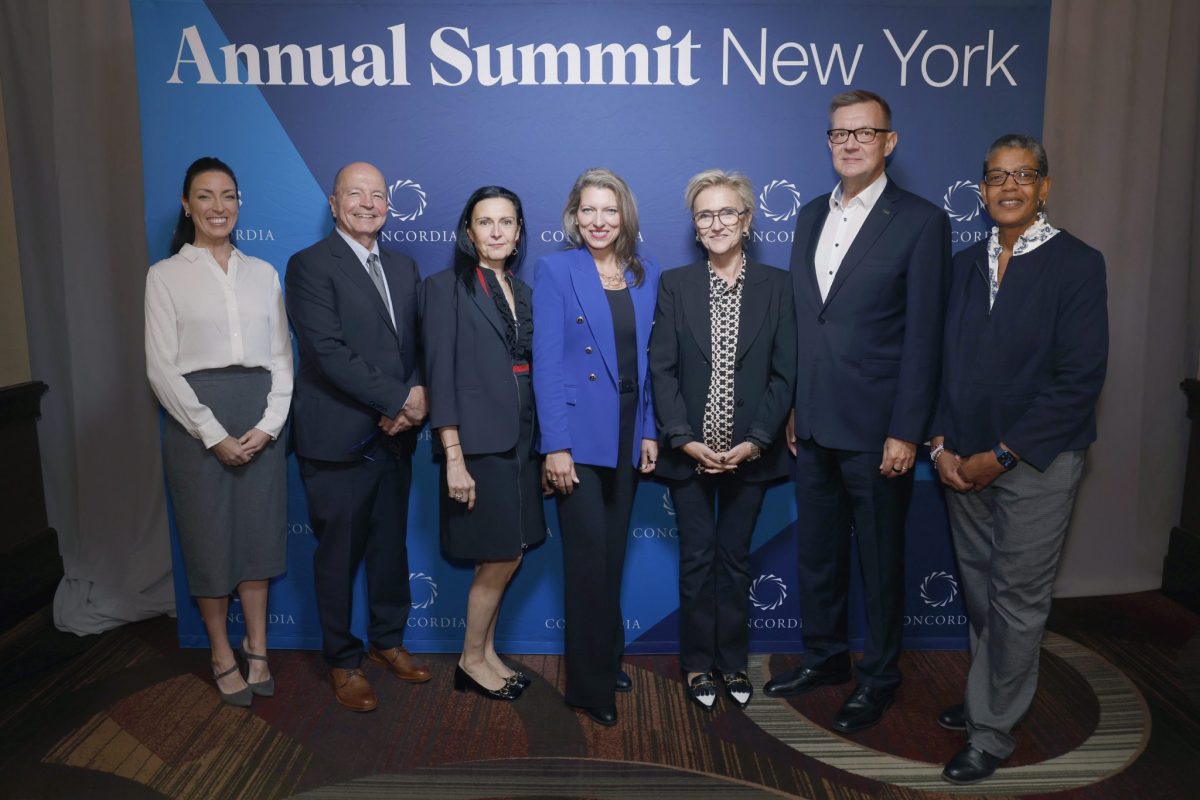
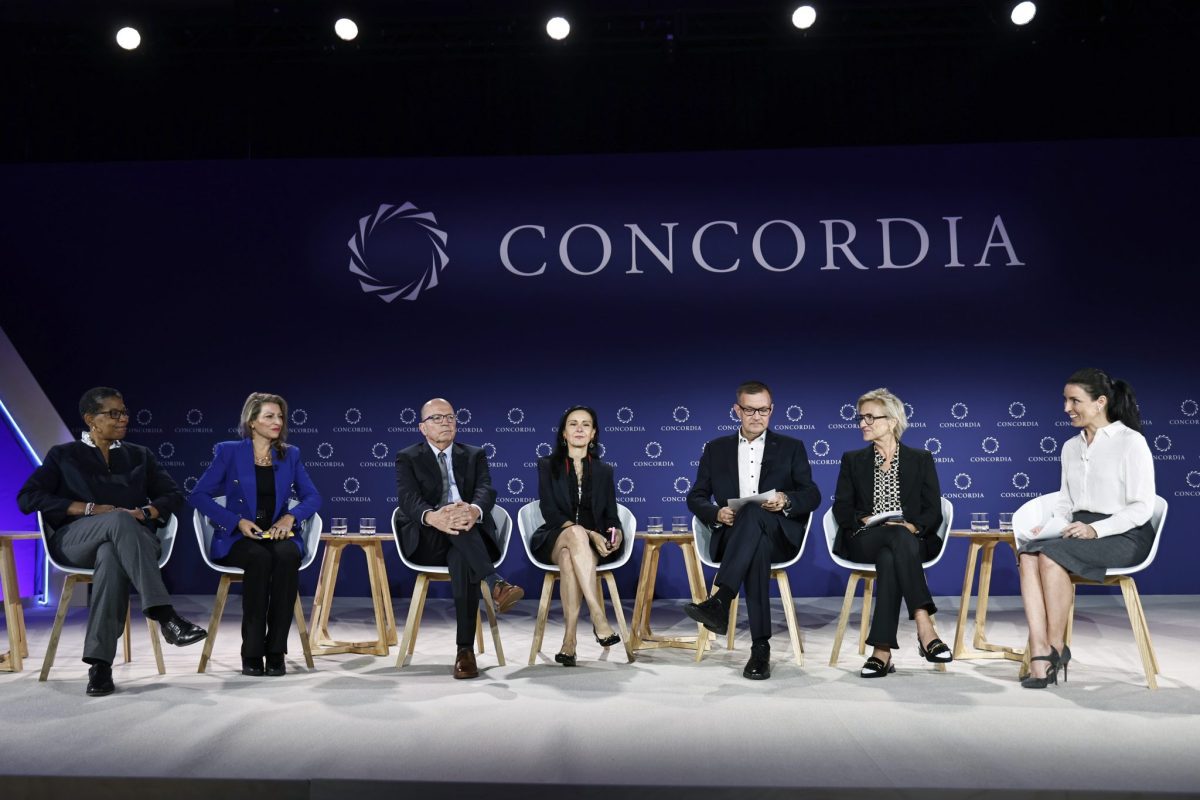
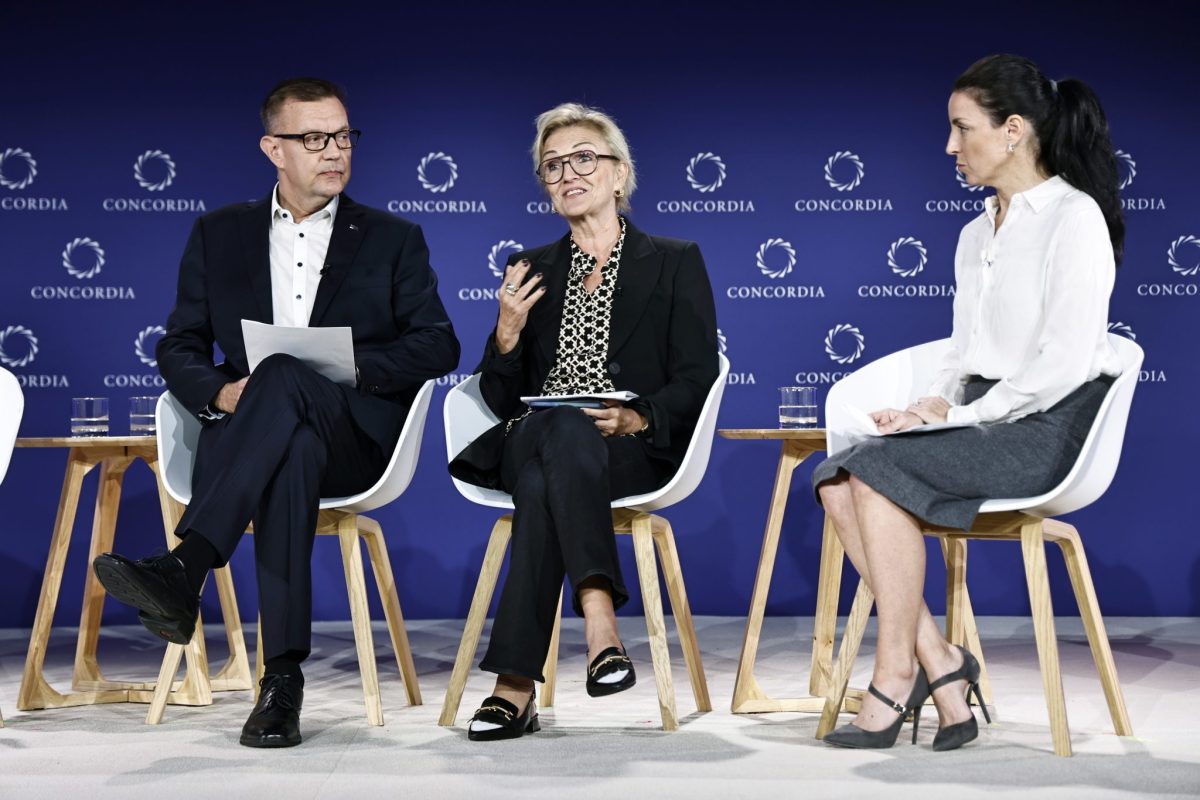
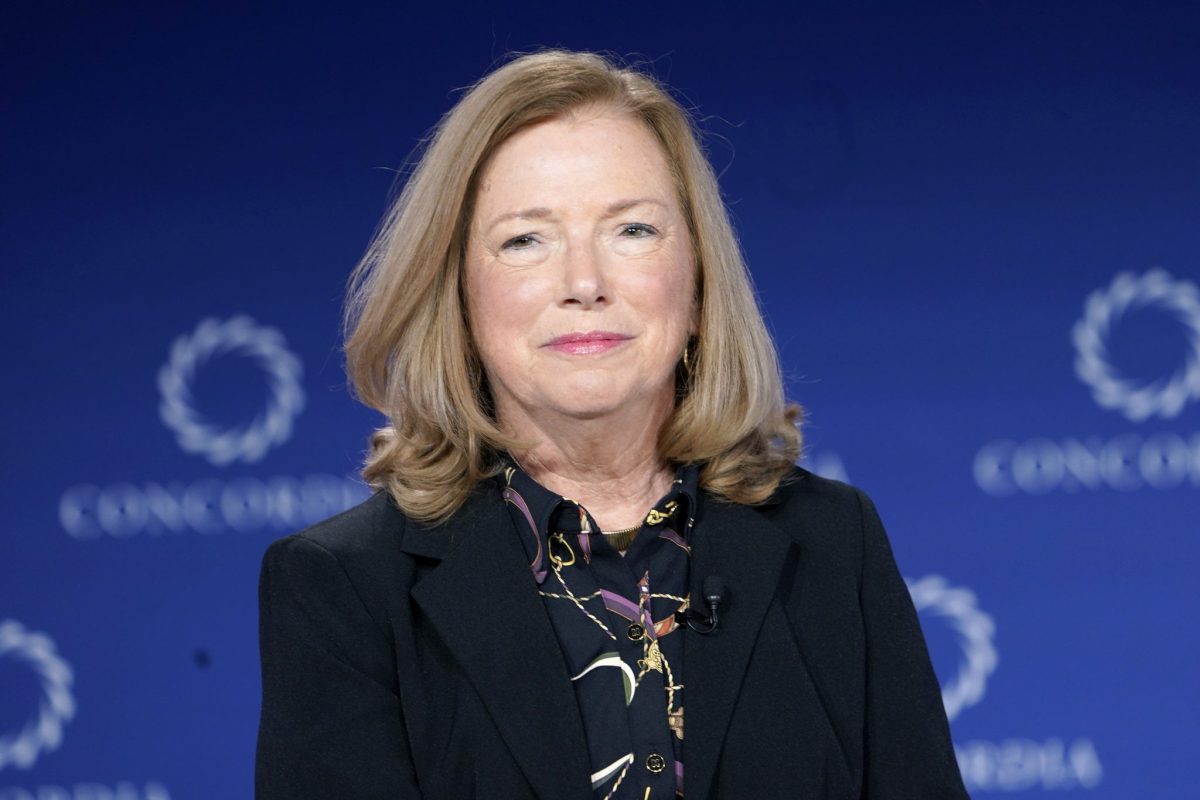
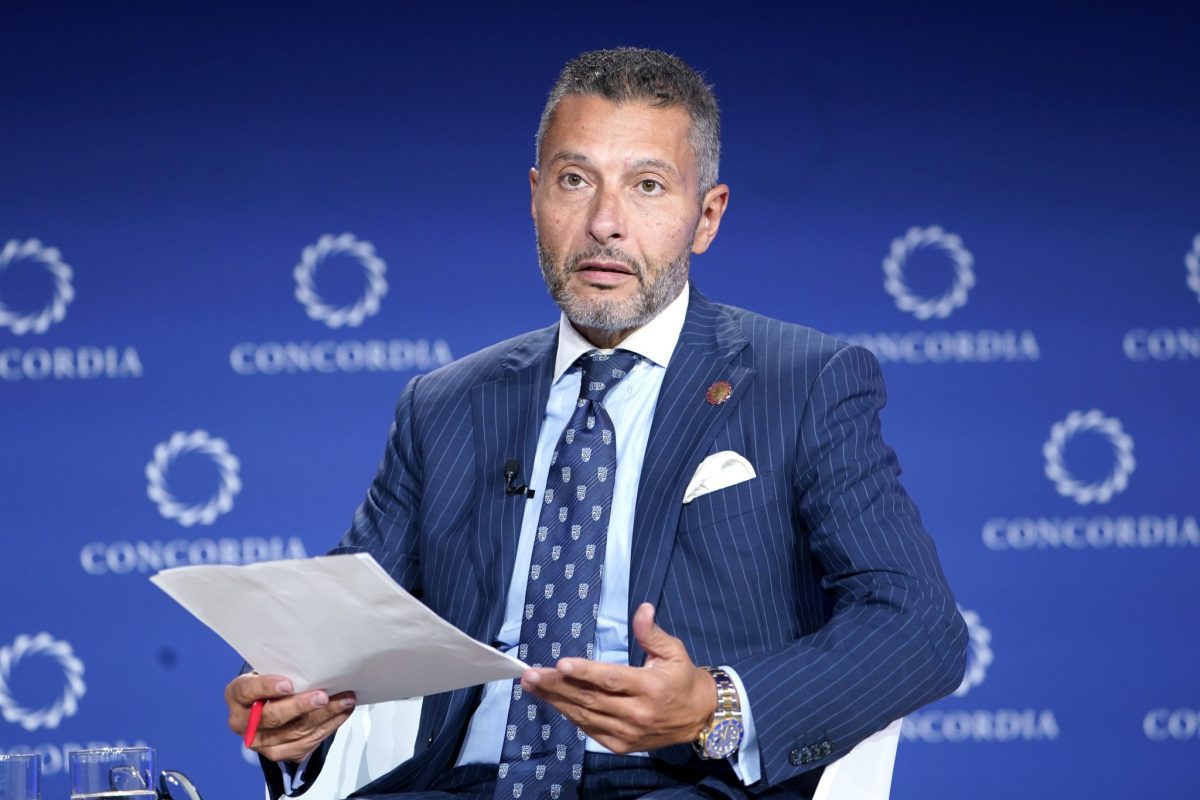
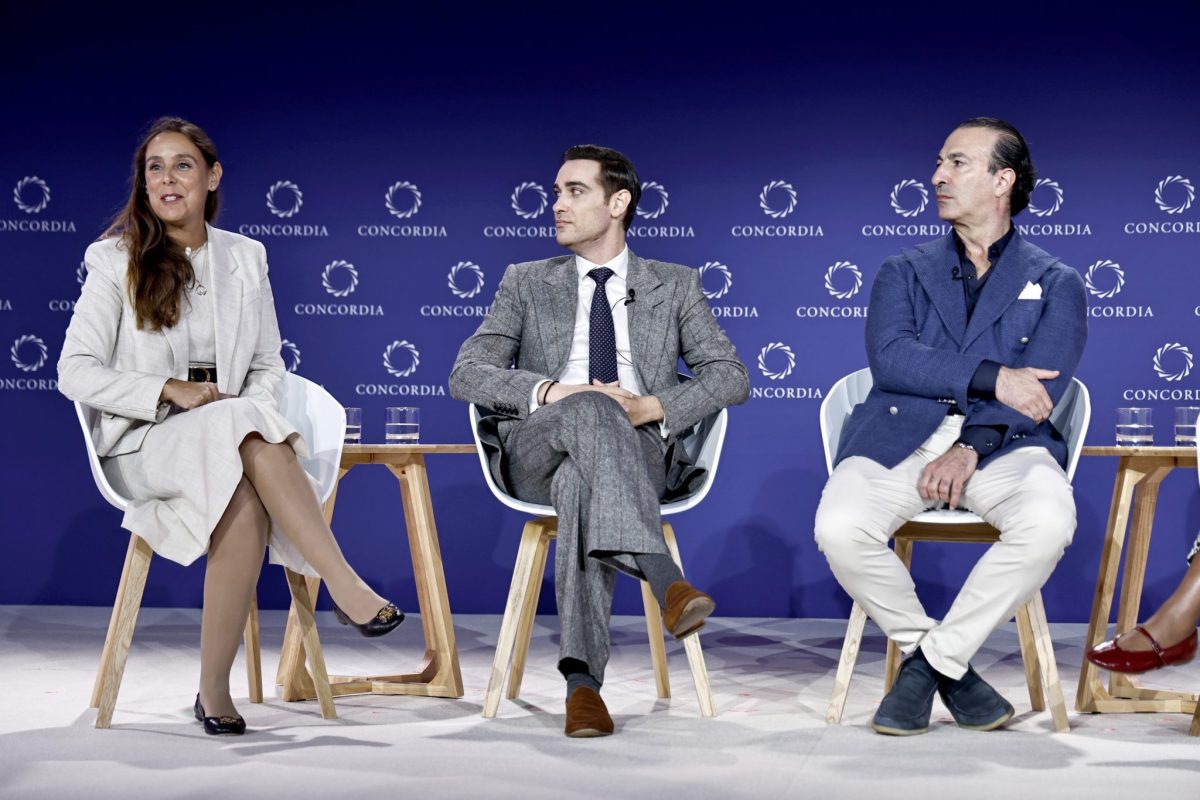
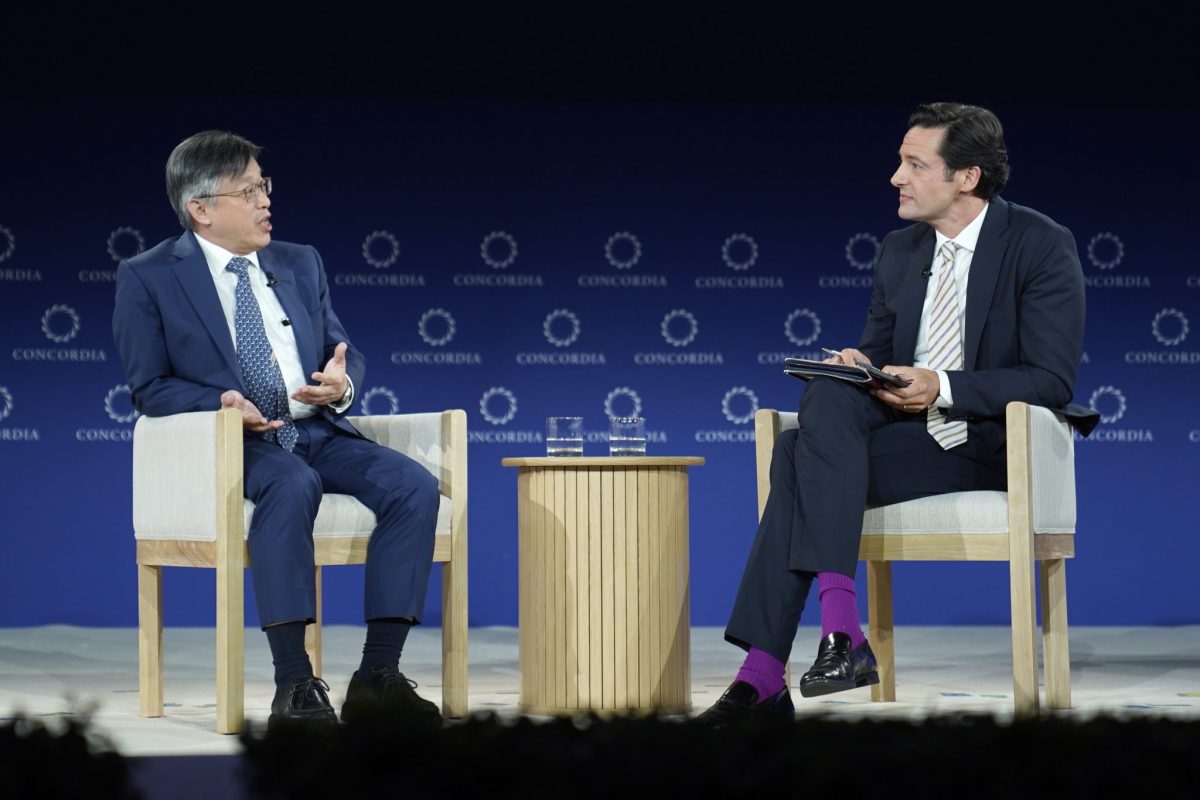
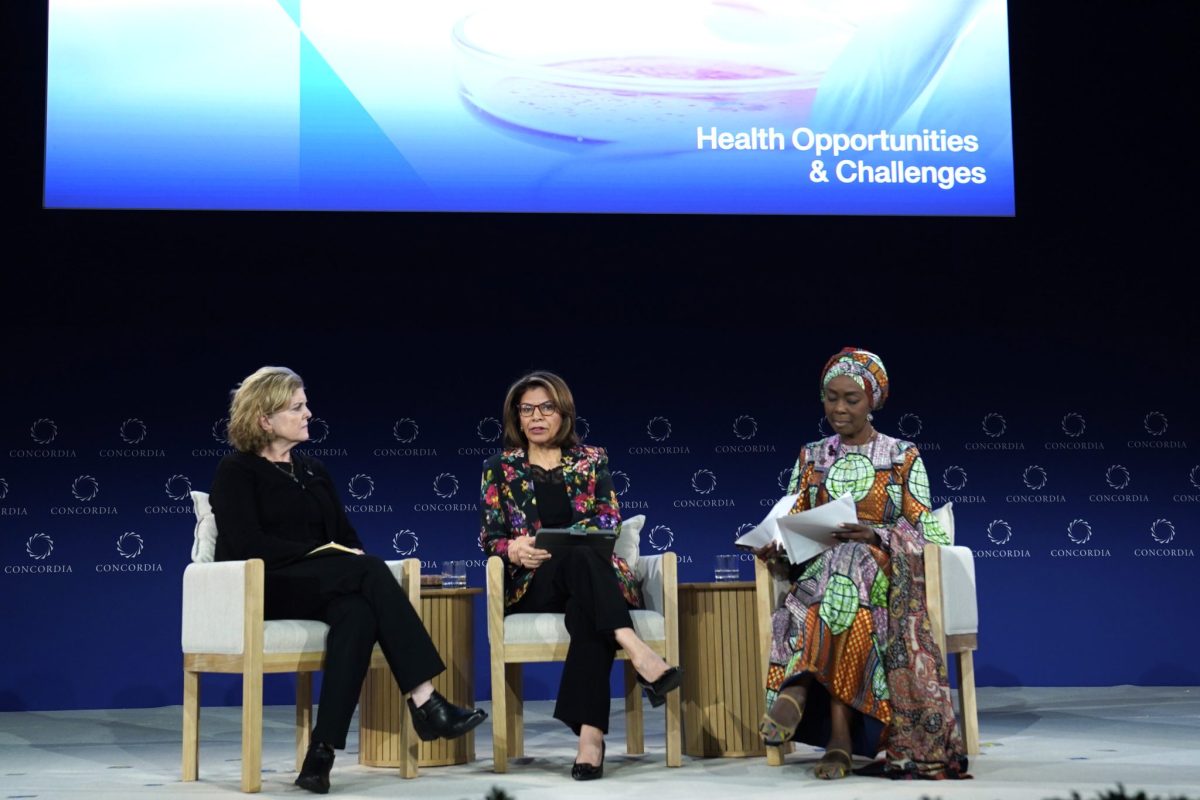
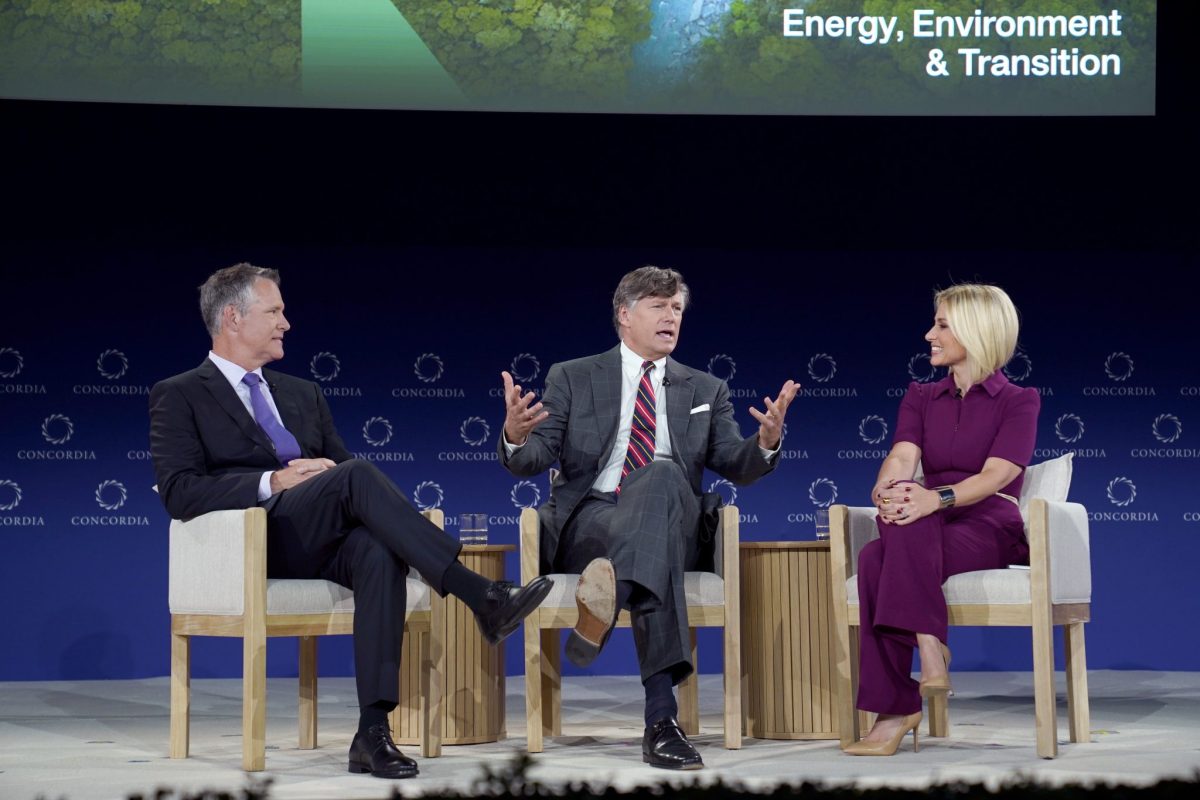
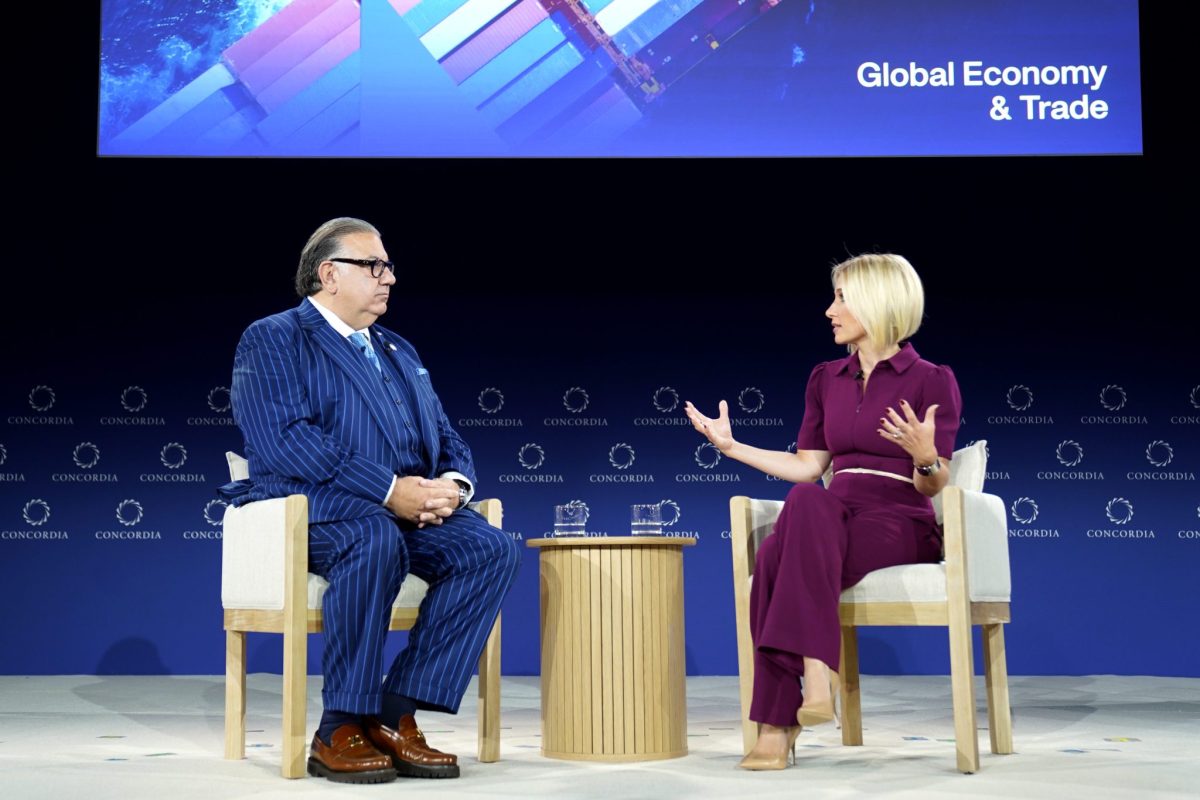
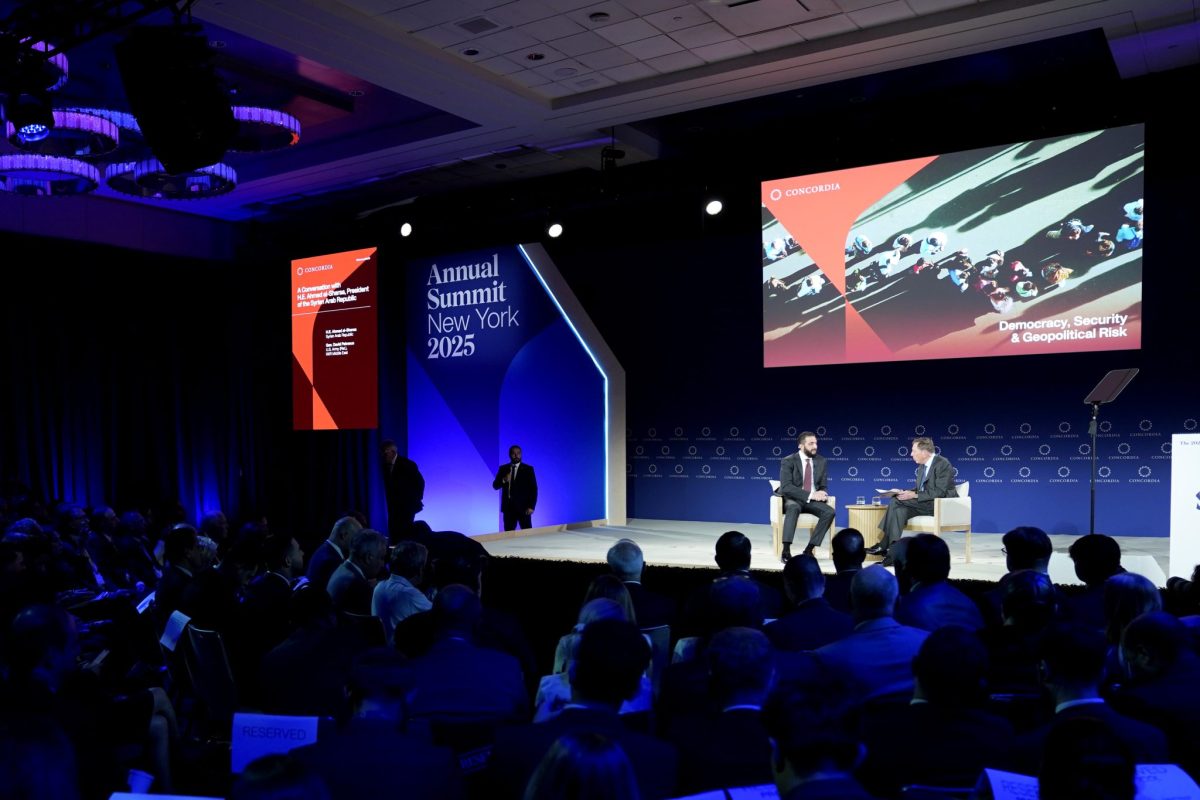
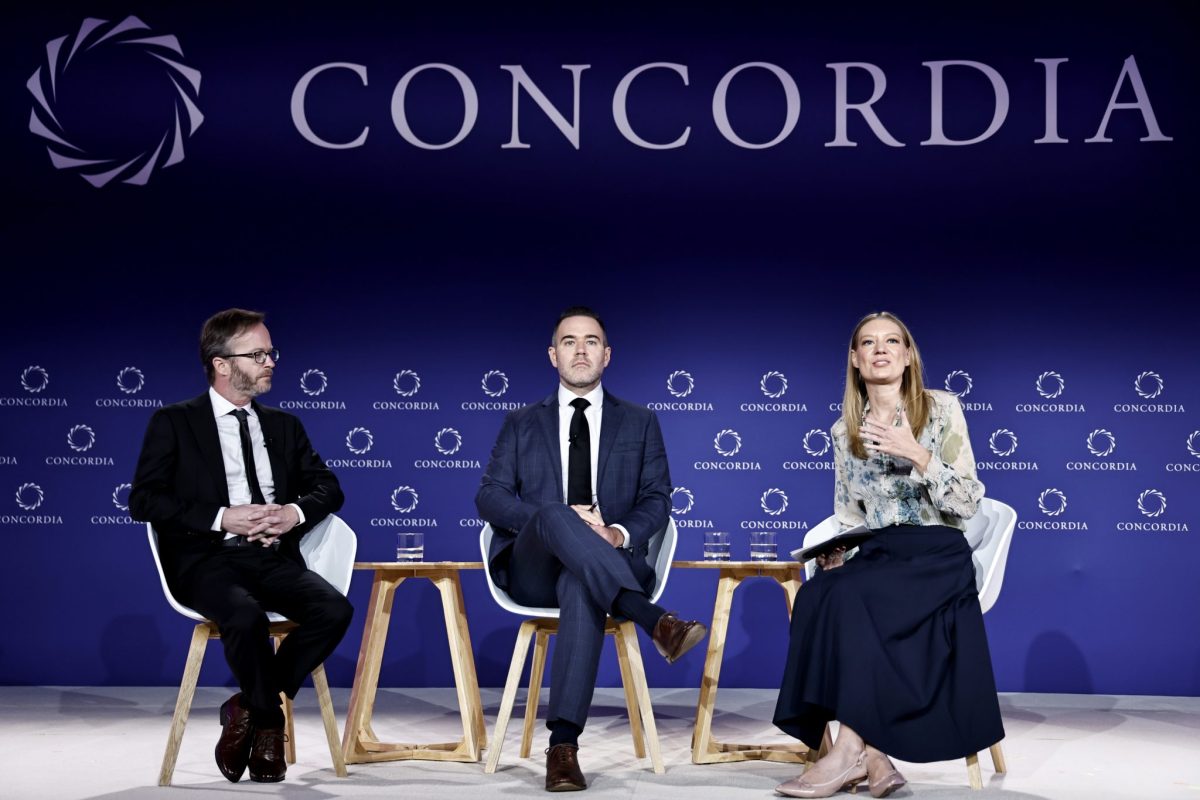
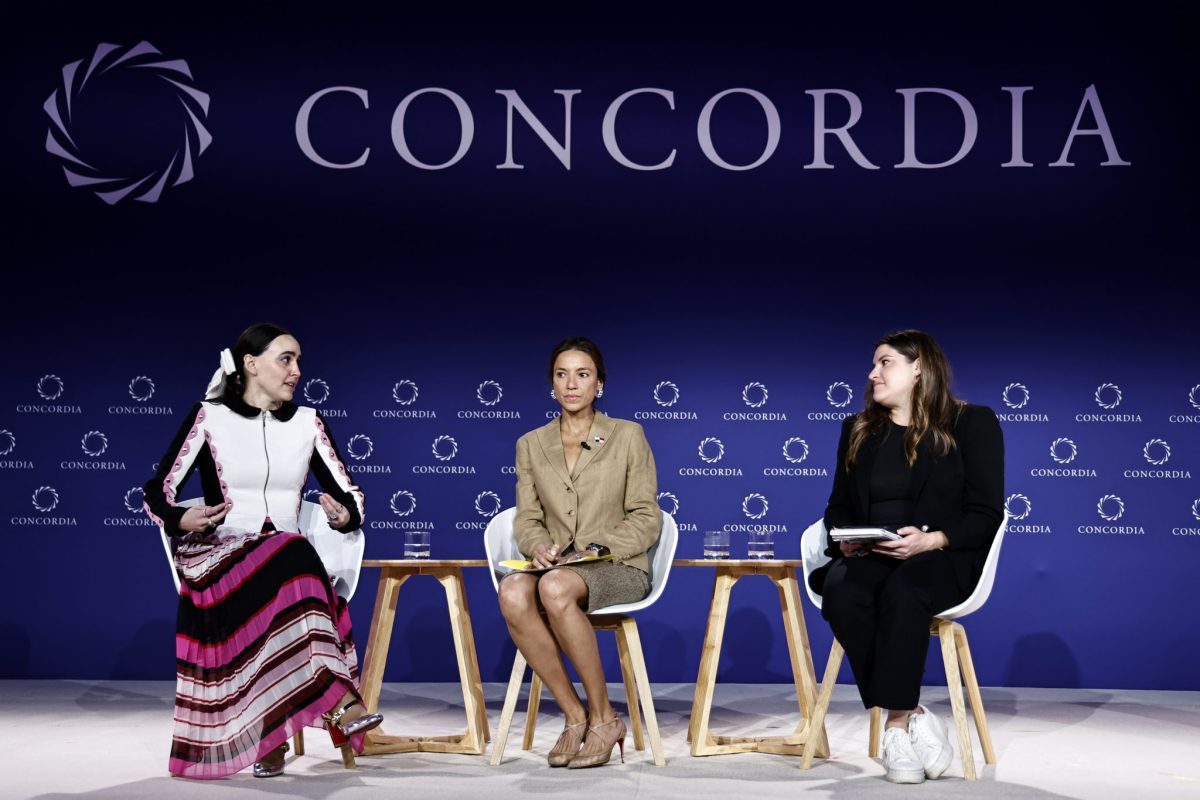
As global leaders returned to New York for UNGA week, the 2025 Concordia Annual Summit emerged as one of the most important convenings for ultra-high-net-worth investors, global family offices, sovereign wealth funds, and the private sector. This year’s Summit made one fact unmistakable: the next era of wealth generation will be shaped not only by markets, but by systems — governance, stability, trust, technology, and global resilience. Concordia, now in its 15th year, demonstrated why capital and policy are no longer separate conversations. For UHNW families refining their global wealth strategy, the event offered a clear roadmap for how investment, diplomacy, innovation, and societal outcomes are increasingly intertwined.
AI Governance: The New Frontier of Value and Risk
One of the most widely discussed themes at Concordia 2025 was the urgent need for AI governance and digital rights frameworks. Sessions emphasized that high-growth tech companies will not be judged solely by their capabilities, but by their transparency, auditability, and adherence to global standards that protect data and individual liberties. For investors, this shift is significant. Regulatory-ready AI companies are already commanding valuation premiums, and platforms without rights-based design are facing increasingly narrow expansion lanes.
This focus aligns with our continuing coverage on investing in AI and emerging technologies, where governance has become the competitive moat of the decade. As AI is integrated across finance, healthcare, defense, education, and infrastructure, family offices are evaluating companies not just for innovation, but for the integrity of their data pipelines, their governance posture, and their readiness for cross-border compliance.
Youth Mental Health & Preventive Wellness: The Next Scalable Impact Sector
Concordia also spotlighted one of the most important but overlooked investment frontiers: youth mental health, preventive wellness, and community-based resilience systems. Discussions echoed a growing global consensus — the hidden economic drain caused by untreated mental health challenges is now measurable, and scalable solutions are urgently needed.
From digital therapeutics to school-based interventions and community wellness platforms, preventive care is transforming from a philanthropic cause into a rapidly expanding commercial sector. These trends are consistent with our reporting on the future of wellness and preventive healthcare, where outcome-based models and district-level adoption are driving sustained growth. Investors are increasingly drawn to these tools not only for the societal benefits, but for their longevity, subscription durability, and integration with insurers, payers, and public systems.
Middle East Stability & Peace Economics: Capital Meets Diplomacy
One of the Summit’s most strategically significant themes centered on peace through commerce, especially in the Middle East. Panels exploring the “Economics of Peace in the Middle East” underscored how infrastructure, water, logistics, port development, energy transition, and cross-border finance can serve as foundations for regional stability. This narrative signals a new frontier for investors: stability itself is becoming an asset class.
Global governments are beginning to treat economic corridors as diplomatic tools, and sophisticated private capital is taking notice. Taiwan’s announcement of NT$720 billion in investment-attraction loans reflects this broader trend of governments creating de-risked investment pathways for global capital. For frontier-market allocators, this shift aligns with our analyses on global infrastructure and frontier markets, where cross-sector partnerships are unlocking long-term value and creating opportunities previously reserved for multilateral institutions.
Digital Trust & Connectivity: The Infrastructure of the Next Decade
Another recurring theme was the critical role of digital trust, identity integrity, and safe connectivity. While connectivity has been a global development priority for decades, the message from Concordia was clear: in the modern economy, trust is the true infrastructure.
Companies that integrate cybersecurity, verifiable digital identity, and safeguards against misinformation and fraud are outperforming those that scale quickly without trust layers. For family offices exploring investment opportunities in fintech, Web3, digital identity, and telecom, our coverage of digital identity and next-generation fintech highlights how trust architecture is becoming the backbone of global commerce.
Platforms that fail to build trust will struggle to scale; those that do could dominate cross-border markets.


From Check-Writing to Co-Creation: Capital’s New Mandate
Perhaps the most paradigm-shifting insight from Concordia 2025 was the idea that sophisticated capital must transition from passive investment to co-creation of systems. Multiple sessions emphasized that long-term impact requires blended finance, cross-sector coordination, and outcome-based performance models. Family offices, in particular, are uniquely positioned to shape ecosystems — not just participate in them.
This philosophy mirrors the strategic shift we continue to analyze in family office investment strategies, where investors use their networks, influence, and flexibility to unlock new impact corridors and build lasting value. In this new era, investment is not simply about injecting capital, but about structuring frameworks, aligning stakeholders, and engineering scalable systems for stability and social resilience.
Case Study: Baghdadi Capital and the Rise of Influence Investing
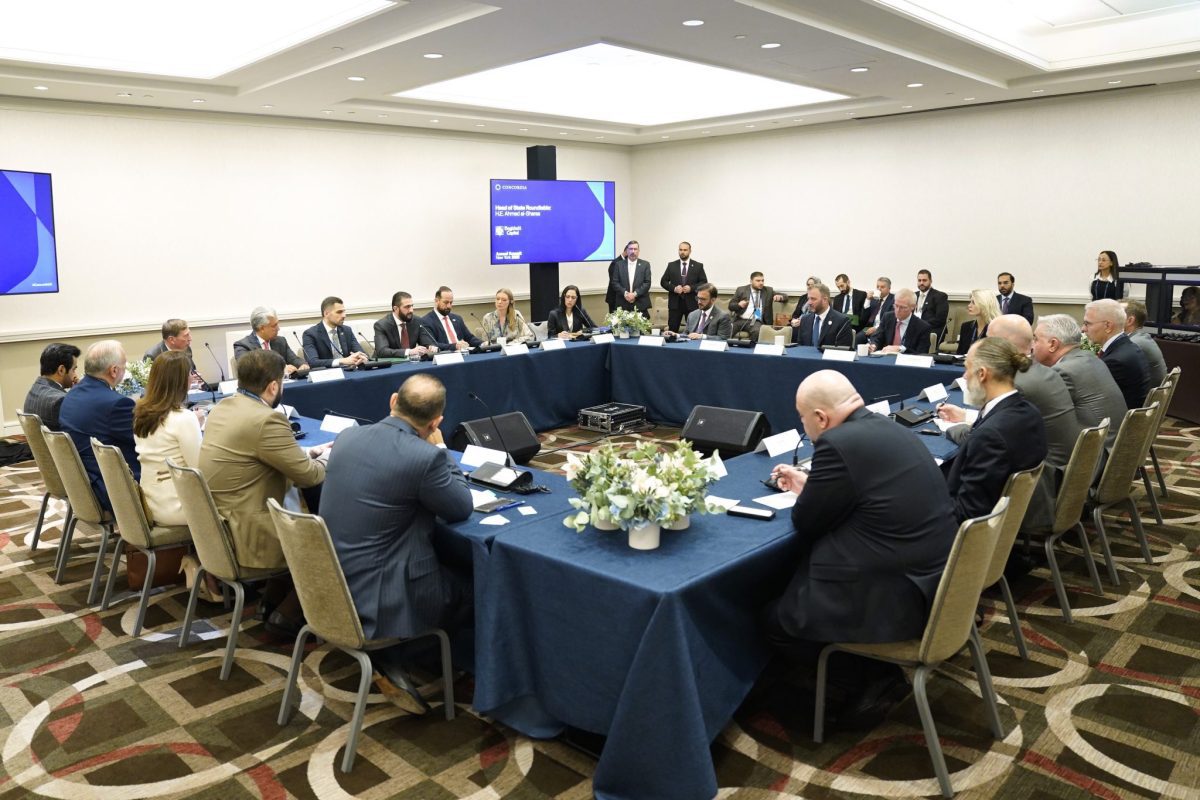
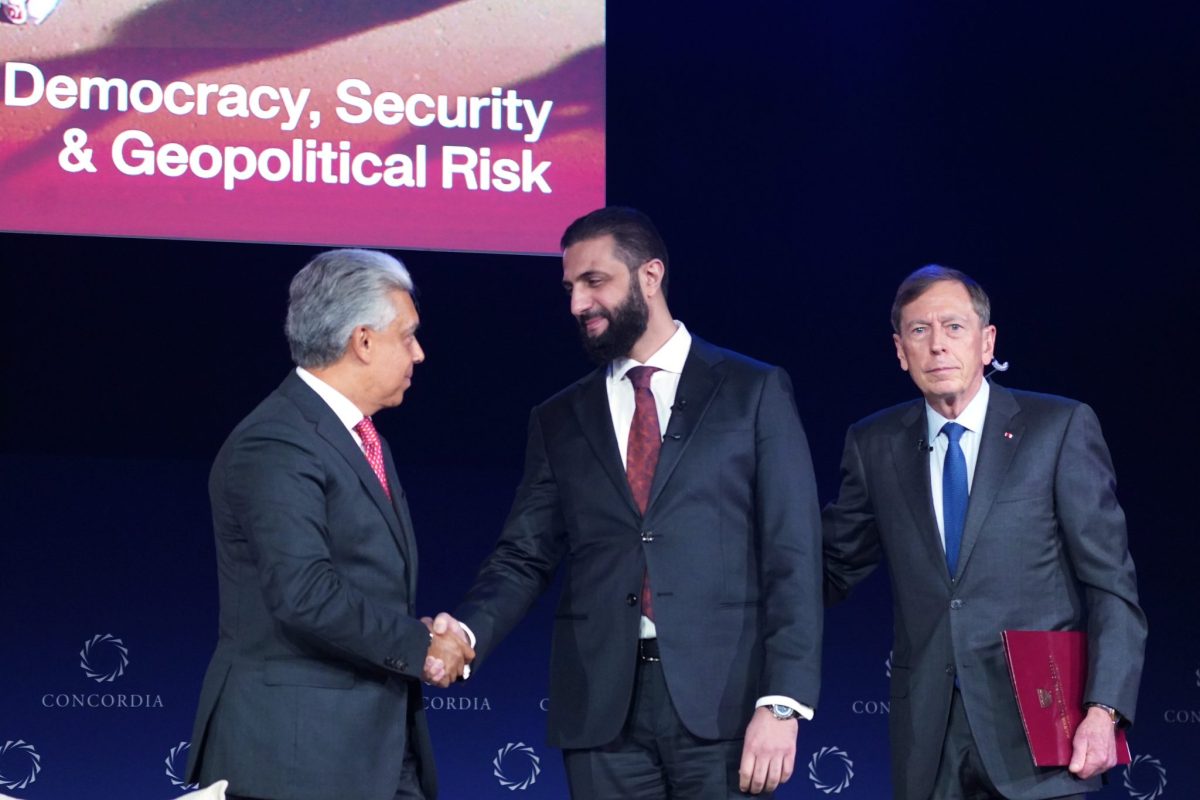
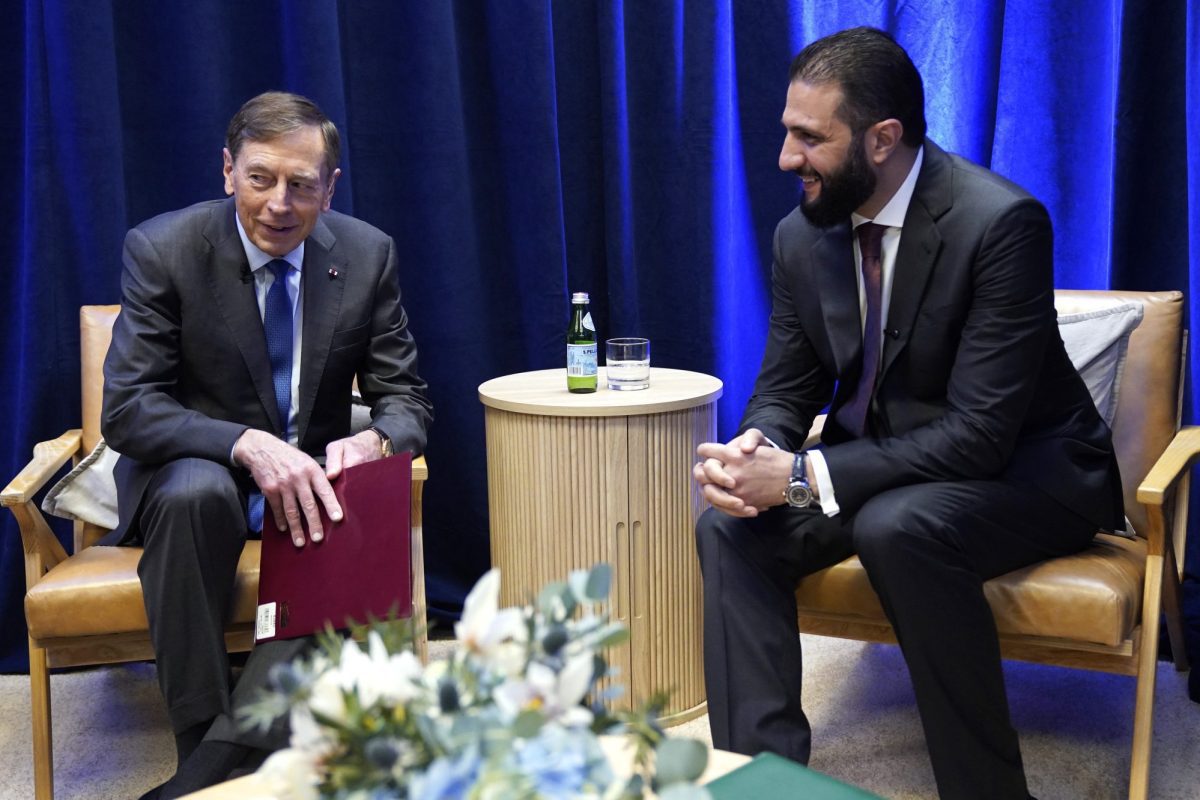
One of the most striking examples of this shift came from Baghdadi Capital, which served as a Principal Programming Sponsor and hosted the first international public engagement of Syrian President Ahmed al-Sharaa. This move embodies the new influence economy: family offices are stepping into roles once reserved for governments, diplomatic institutions, and sovereign funds.
For UHNW investors, this case illustrates a powerful truth — access, influence, and geopolitical alignment are becoming critical components of long-term investment strategy. It is no longer enough to identify frontier markets; investors must shape the narratives and partnerships that allow those markets to grow.
Looking Ahead: Where UHNW Capital Will Flow in 2025
Concordia’s insights point toward five major categories of investment growth for 2025:
- AI Governance & Safety Infrastructure
Tools that ensure AI is transparent, auditable, and compliant across regions. - Tokenized Infrastructure & Web3 Impact Systems
Emerging across energy, identity, and global development. - Climate-Stabilization Projects in Frontier Markets
Especially those backed by blended finance and public-sector guarantees. - Global Digital Identity & Trust Networks
Critical for cross-border commerce and financial inclusion. - Prevention-Based Wellness & Youth Resilience Tech
Scalable, evidence-backed, and integrated with public systems.
Investors who understand these themes now will be best positioned for the opportunities emerging in the next decade.
Concordia 2025 Sets the Agenda for the Next Era of Wealth
The 2025 Concordia Summit delivered a compelling message for UHNW investors and global family offices: the future of wealth creation lies in understanding — and investing in — the systems that hold societies together. From AI governance to peace economics, digital trust to preventive wellness, the themes emerging from Concordia confirm that global capital must now be both financially sophisticated and systemically aware.
The investors who thrive in the coming decade will be those who see around corners, understand geopolitical alignment, and recognize that the greatest opportunities lie at the intersection of capital, technology, and global resilience. Concordia 2025 offered the blueprint. The rest is execution.