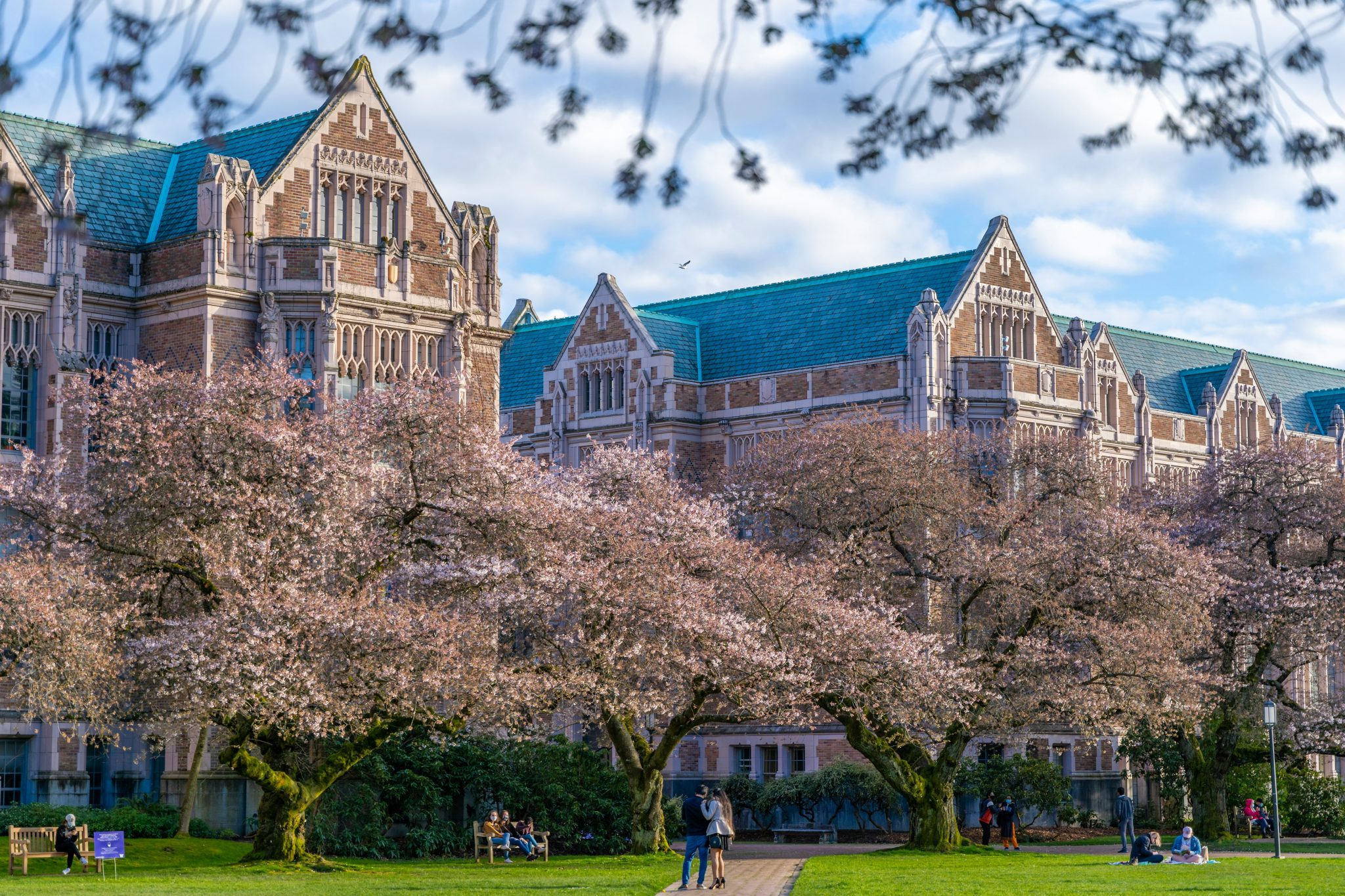
Choosing where to pursue higher education is one of the most significant financial and personal decisions a student can make. For decades, the traditional four-year university experience was seen as the default path to success, but that narrative is rapidly changing. In 2025, with rising tuition costs and a shifting job market, the debate of community college vs university is more relevant than ever.
What is a community college? To make an informed decision, you need to understand exactly what it is and how it differs from a university. A community college, often referred to as a junior college, is a two-year institution that primarily offers Associate degrees, certificates, and diplomas, a topic frequently explored in academic resources and guides such as WritePaper. These schools focus on accessibility, affordability, and preparing students either for immediate workforce entry or for transfer to a four-year institution. In contrast, universities are typically larger, four-year institutions that grant Bachelor’s, Master’s, and Doctoral degrees, often with a stronger emphasis on research and a residential campus experience.
Both paths offer distinct benefits, and the best choice depends entirely on your academic goals, budget, and learning style.
Let’s Start With The Workload
Regardless of which institution you choose, the academic workload can be a shock to the system for first-year students. Universities, in particular, are known for rigorous writing requirements. Freshmen are often inundated with research papers, lab reports, and essays that require a level of critical thinking and formatting they did not encounter in high school.
Time management becomes the most critical skill a student can learn. Balancing four or five heavy courses can lead to burnout, and when deadlines pile up during finals week, the stress can be overwhelming. It is during these crunch times that students often scramble for support. Whether it is utilizing the campus writing center, forming study groups, or looking for resources to write my paper effectively, finding ways to manage the volume of writing is essential for survival. Students who refuse to seek help often find their GPA suffering, not because they lack intelligence, but because they lack a strategy for handling the workload.

Community College vs. University
When weighing your options, it helps to visualize the structural and logistical differences side-by-side. While universities often boast prestige and sprawling campuses, community colleges offer practicality and specialized focus.
| Feature | Community College | University (4-Year) |
| Degree types | Associate degrees (AA, AS), certificates, diplomas | Bachelor’s (BA, BS), Master’s, PhD |
| Program length | Typically 2 Years | Typically 4 Years |
| Tuition cost | Low (Avg. $3,500 – $5,000 / year) | High (Avg. $10,000 – $40,000+ / year) |
| Admission policy | Open enrollment (Non-competitive) | Competitive (requires SAT/ACT, GPA, Essays) |
| Class size | Small (15-30 students) | Large, often 100+ in lecture halls) |
| Campus life | Commuter-focused, fewer events | Residential, active social scene, Greek life |
The Financial Factor: Counting the Cost
One of the primary advantages of community college is the significant financial savings. For many students, the first two years of a Bachelor’s degree consist of general education requirements: English, Math, History, and Science. Taking these core classes at a community college costs a fraction of what universities charge per credit hour. By transferring those credits to a university later, students can graduate with the exact same diploma as their peers but with tens of thousands of dollars less in student loan debt.
Academic Flexibility and Online Options
Community colleges are designed to serve a diverse population, including working adults, parents, and part-time students. As a result, they are often pioneers in flexible scheduling. If you are looking for community college online programs, you will find a wealth of options. Many institutions now offer fully remote Associate degrees, allowing students to balance their education with full-time employment. While universities also offer online courses, community colleges often provide them with more lenient deadlines and at a lower price point, making higher education accessible to those who cannot commit to a rigid 9-to-5 campus schedule.
The Student Experience: Campus Culture and Lifestyle
The college experience is often a major selling point for universities, and for good reason. University life is immersive. Living in dorms, attending football games, joining sororities or fraternities, and participating in hundreds of student clubs fosters a deep sense of community and networking. For students who want to build independence and a lifelong alumni network, the university environment is unmatched.
However, the community college experience is underrated. Because class sizes are smaller, students often have more direct access to professors. In a university lecture hall of 300 people, you are often just a number to a Teaching Assistant. In a community college classroom of 20, the professor knows your name, your learning style, and your career goals.
Pros of the university experience:
- Networking: Access to a massive alumni network and career fairs.
- Facilities: State-of-the-art gyms, libraries, labs, and research centers.
- Social Life: A vibrant calendar of events, sports, and parties.
- Independence: Living away from home builds self-reliance.
- Variety: A wider range of majors and specialized electives.
Pros of the community college experience:
- Personalized Attention: Professors teach the classes, not graduate assistants.
- Flexibility: Easier to work a job while attending school.
- Low Pressure: A supportive environment to improve grades before transferring.
- Local Community: Strong ties to local businesses for internships.
- Speed: Certificate programs can get you into the workforce in months, not years.
The Transfer Path: The Best of Both Worlds
A popular strategy in 2025 is the “2+2 plan.” This involves spending two years at a community college to earn an Associate’s degree and then transferring to a university for the final two years to complete a Bachelor’s degree.
This approach requires careful planning. You must ensure that the community college vs university articulation agreements align so that your credits transfer seamlessly. However, when done correctly, this path allows a student to list a prestigious university on their resume while paying community college prices for half of their education.
Conclusion: Making the Choice
Ultimately, there is no single correct answer in the debate of community college vs university.
If you crave the traditional campus lifestyle, have a clear career path that requires a four-year degree, and have the financial means (or scholarship support), a university is a fantastic choice.
On the other hand, if you want to minimize debt, are unsure of your major, or need to work while studying, community college is a smart, strategic investment.
By weighing the costs, the culture, and the academic programs, you can build an educational path that serves your future without compromising your financial present.